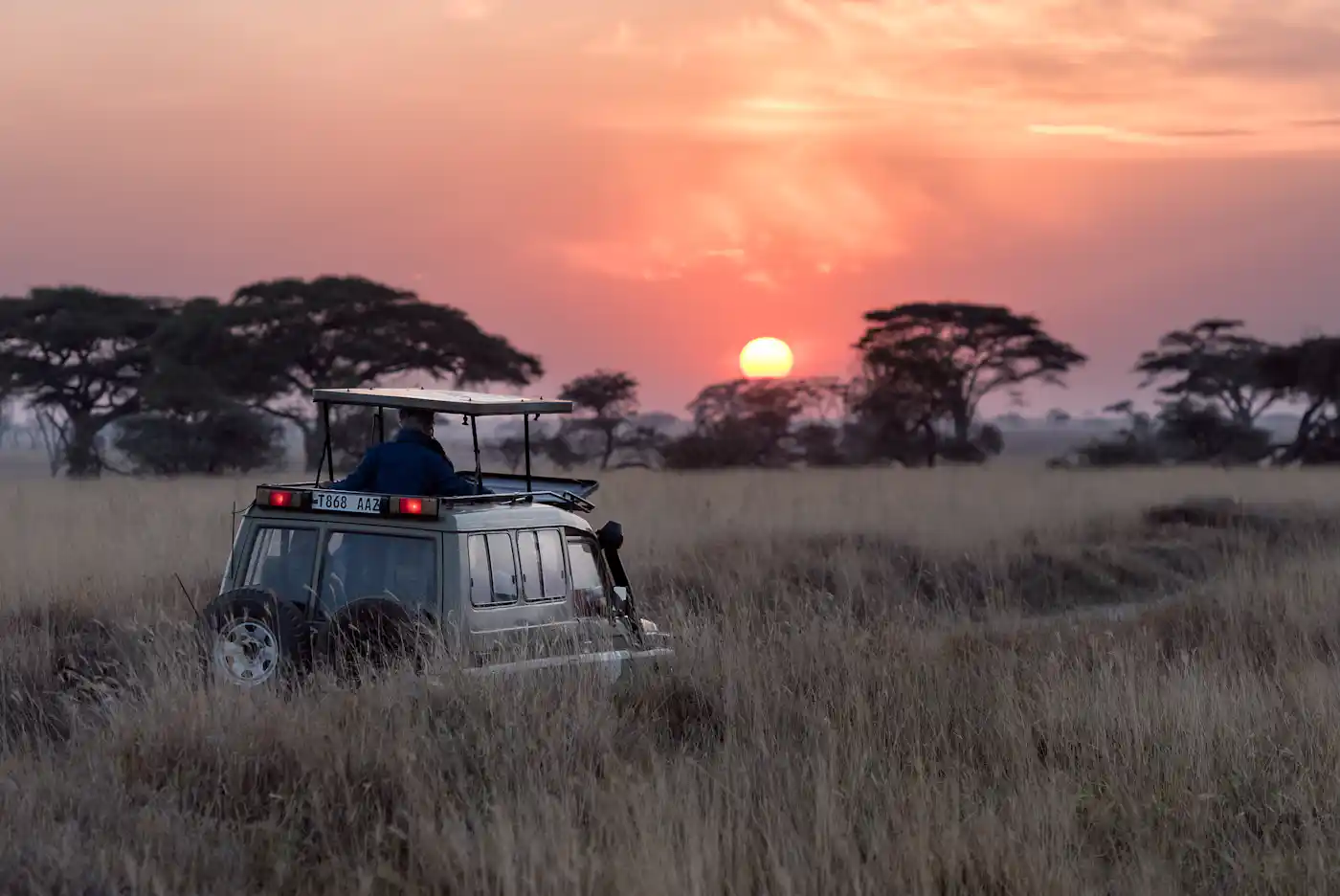
A Journey Through the Seasons The Definitive and Comprehensive Best Time to Visit Maasai Mara National Reserve Month by Month Guide

A Journey Through the Seasons The Definitive and Comprehensive Best Time to Visit Maasai Mara National Reserve Month by Month Guide

The Maasai Mara National Reserve is more than just a destination. it is a living entity that breathes with the rhythm of the African sky. Located in the southwest of Kenya this vast expanse of golden savannah and rolling hills represents the pinnacle of the African safari experience. However the Mara you see in the middle of a dusty August afternoon is fundamentally different from the one you encounter during the lush emerald days of April.

For many travelers the primary goal is to witness the Great Migration which is often hailed as the eighth wonder of the world. But the Mara is a year round sanctuary that offers deep rewards for those who look beyond the peak tourist windows. To help you plan your 2026 adventure we have compiled this exhaustive best time to visit maasai mara month by month guide. We will explore the weather patterns wildlife behaviors and the unique atmosphere of each season ensuring you arrive with the right expectations and the perfect gear.

Understanding the Ecological Cycles of the Mara

Before we dive into the specific months it is essential to understand the two main seasons that dictate life in the reserve. The dry season typically runs from late June to October while the wet season is split into the short rains in November and December and the long rains from March to May. Each phase of the cycle brings its own drama. The dry season offers ease of movement and high visibility while the wet season brings a burst of life a palette of vibrant colors and a sense of exclusivity that is hard to find elsewhere.

The Great Migration The Infinite Loop of Life

The Great Migration is not a single event but a continuous circular journey involving nearly two million wildebeest zebras and gazelles. They move between the Serengeti in Tanzania and the Maasai Mara in Kenya following the scent of rain and the promise of fresh grass. Understanding the wildebeest migration calendar for kenyan safari is crucial if you want to see the famous river crossings. While the timing varies slightly every year due to rainfall patterns the herds typically arrive in the Mara by July and stay until late October.

January to March The Secret Season of New Life

As the calendar turns many travelers overlook these first three months thinking they have missed the migration. In reality this is one of the most beautiful and active times in the reserve.

January The Month of Predators and Warmth

January in the Maasai Mara is characterized by clear blue skies and rising temperatures. This is a brilliant time for those who enjoy warm weather. The landscape is still relatively green from the short rains but the grass is starting to thin out making wildlife spotting very productive. Because many antelopes have young calves during this period the big cats are incredibly active. You are likely to witness high speed chases as cheetahs take advantage of the open plains.

February The Peak of the Calving Season

February continues the trend of dry and hot days. It is often considered one of the best months for wildlife photography in maasai mara because the light is sharp and the lack of rain means animals gather around permanent water holes. The calving season is in full swing and the sight of thousands of wobbly legged foals and calves is a highlight for any nature lover. The predator prey interaction is at its most visible and intense during this month.

March The Gathering Clouds

As March begins the humidity starts to rise. This is a transition month where you can still enjoy great sightings before the heavier rains arrive. The air is often very clear making the distant horizons of the Siria Escarpment look sharp and majestic. By late March the first of the long rains might start to fall cooling the air and washing the dust from the acacia leaves.

April to June The Emerald Season of Solitude

If you are looking for the cheapest time for maasai mara safari tour this is your window. The long rains bring a dramatic transformation to the reserve.

April The Heavens Open

April is the height of the long rains. While some roads can become challenging for inexperienced drivers the reward is a landscape that looks like a lush garden. The sheer volume of green is staggering and the flowers that bloom across the plains are a sight to behold. For the traveler who values peace and quiet visiting maasai mara during the green season in April is an elite experience. You will often find yourself alone with a pride of lions or a herd of elephants with no other vehicles in sight.

May The Month of Dramatic Skies

May continues the rainy trend but the showers are often spectacular afternoon thunderstorms followed by glorious sunshine. This creates incredible opportunities for landscape photography as the clouds add a layer of drama to the African sky. The resident wildlife is healthy and well fed and the birds are in their most vibrant breeding plumage. This is arguably the peak of the bird watching seasons in maasai mara reserve as migratory species are still present alongside the local residents.

June The Transition to Gold

As June arrives the rains begin to taper off. The landscape starts its slow transition from deep emerald to a pale golden yellow. The grass can be quite tall during this month which makes spotting small cats more difficult but it provides a beautiful backdrop for viewing large herds of buffalo and elephant. By the end of June the first scouts of the Great Migration may start to appear at the southern borders of the reserve.

July to October The High Season of Drama

This is the period that most people envision when they think of a Kenyan safari. It is the time of movement noise and the raw struggle for survival.

July The Arrival of the Herds

July marks the official start of the peak season. The weather is cool especially during the early morning game drives so you will need plenty of layers. As the wildebeest pour into the Mara the atmosphere changes. The air is filled with the constant low grunting of the herds. This is when the river crossing season maasai mara dates begin to gain momentum as the animals cross the Sand River and eventually the Mara River.

August The Peak of the Mara River Crossings

August is the busiest month in the reserve. The river crossings are at their most frequent and the drama of crocodiles lying in wait for the herds is at its peak. While there are many vehicles around the sheer volume of wildlife is so high that you are guaranteed to see something spectacular. If you are planning to visit during this month booking your accommodation at least a year in advance is highly recommended.

September The Golden Hour Perfection

By September the herds have spread across the entire reserve. The grass is now short and golden making it the best time to see leopards and cheetahs on the hunt. The weather remains dry and the dust creates those iconic African sunsets that look like they have been painted by hand. This is the ultimate time for anyone focused on high quality wildlife cinematography or photography.

October The Return of the Heat

October is a fascinating month. The weather starts to heat up again as the reserve waits for the short rains. The herds are still present but they are starting to look towards the south. The tension in the air is palpable as water sources dry up and animals congregate in large numbers around the remaining pools. This is a fantastic time for seeing large numbers of hippos and crocodiles in the shrinking rivers.

November and December The Short Rains and Festive Spirit

The end of the year brings a refreshing change to the Mara as the dust is settled by the arrival of the short rains.

November The Bloom of the Plains

November is a month of renewal. The short rains are usually brief afternoon showers that do not disrupt your safari schedule. The wildebeest have mostly moved back into the Serengeti leaving the Mara to the resident animals. The grass starts to turn green again and many flowers begin to bloom. It is a peaceful time to visit and the rates for many luxury camps are lower than in the preceding months.

December A Safari Christmas

December is a popular time for families and those looking to spend the holidays in the wild. The reserve is lush and beautiful and the weather is generally very pleasant with warm days and cool nights. The wildlife is abundant and the festive atmosphere in the camps makes for a very special experience. It is a wonderful time to see baby animals as many species take advantage of the fresh grass to raise their young.

Essential Logistics for Your Maasai Mara Safari

Planning a trip to such a remote and wild place requires more than just picking a month. You need to consider how you will move around and what you will bring to ensure your comfort.

Packing for the Mara Weather

Regardless of the month you choose the golden rule for safari packing is layers. Even in the hottest months the early morning game drives before the sun comes up can be surprisingly chilly. Bring a good windbreaker a fleece and comfortable cotton clothing for the heat of the day. Do not forget a wide brimmed hat high quality sunblock and a pair of sturdy binoculars. If you are visiting during the wet season a light waterproof jacket is essential.

Choosing Your Mode of Transport

The Maasai Mara is accessible by road from Nairobi which takes about five to six hours or by a quick forty five minute flight into one of the many bush airstrips. Flying is more expensive but it saves you time and offers a spectacular bird’s eye view of the Great Rift Valley. If you choose to drive ensure you are in a reliable four wheel drive vehicle as the roads within the reserve can be rugged and unpredictable especially after a heavy rain.

HThe Importance of a Professional Guide

No matter how much you read about the maasai mara weather by month for safari nothing replaces the knowledge of a local guide. These professionals spend every day in the park and can read the behavior of the animals and the signs of the bush in ways that a visitor simply cannot. They know the secret spots where the leopards hide and the best angles for your camera to catch the light.

Secure Your 2026 Adventure with Plan My Experiences

The Maasai Mara is a vast and complex ecosystem and your choice of when to visit and who to book with will define your memories for years to come. Whether you want to witness the heart stopping drama of a river crossing in August or the quiet beauty of the calving season in February you need a platform that understands the heartbeat of Africa.

Plan My Experiences is the premier African marketplace for booking tours safari experiences accommodation and airport transfers. We are dedicated to connecting travelers with the most authentic and high quality local operators. By using our platform you can filter through hundreds of options to find the perfect camp that matches your budget and your travel style. We believe that the best safaris are those that support the local economy and respect the wildlife.

For local safari operators and camp managers Plan My Experiences is your dedicated partner in growth. Our platform is completely free to list your unique experiences and properties. We do not believe in charging you upfront fees just for the privilege of being seen. We only take a small commission when you receive a successful booking which aligns our success directly with yours. This model ensures that more of the tourism revenue stays within Kenya and supports the communities that make the Mara such a special place.

The plains of the Maasai Mara are calling. From the thundering hooves of the migration to the silent gaze of a leopard in an acacia tree the magic of the wild is waiting for you. Visit Plan My Experiences today to start booking maasai mara tours on plan my experiences and take the first step toward the journey of a lifetime. Your seat at the great African table is ready.

View this page on Plan My Experiences