Kenya Has More to Offer Than Two Famous Parks
Kenya is the country that taught the world what a safari was. Long before the word entered global travel vocabulary as a generic descriptor for any African wildlife experience, Kenya's Maasai Mara, Amboseli, and Tsavo were the landscapes that defined the category. The wildlife photography that became the visual identity of conservation, the predator documentation that became the foundation of field ethology, and the wildlife tourism model that spread across East and southern Africa were all substantially shaped by what Kenya's protected areas produced.
The best national parks in Kenya are not limited to the two that appear in every conversation about East African safari. Kenya has 23 national parks, 34 national reserves, and a network of private and community conservancies that collectively protect some of the most diverse and most productive wildlife habitats on the African continent. From the elephant country of Amboseli beneath Kilimanjaro's snow capped summit to the northern frontier desert of Samburu where the Ewaso Nyiro River concentrates extraordinary wildlife in a landscape that looks and feels nothing like the Mara, Kenya's protected area network contains multitudes that the standard safari itinerary consistently fails to explore.
This guide covers Kenya's national parks with the specific honesty and the geographic detail that the traveller planning a real trip actually needs. It covers which parks are genuinely the best for specific wildlife experiences, which are overrated relative to their reputation, which are underrated relative to their quality, and how to choose between them based on when you are travelling, who you are travelling with, and what you most want your Kenya safari to deliver.
Key Takeaways
Kenya's Maasai Mara National Reserve is the most visited wildlife destination in East Africa and the northern end of the Serengeti Mara ecosystem that hosts the world's largest overland animal migration.
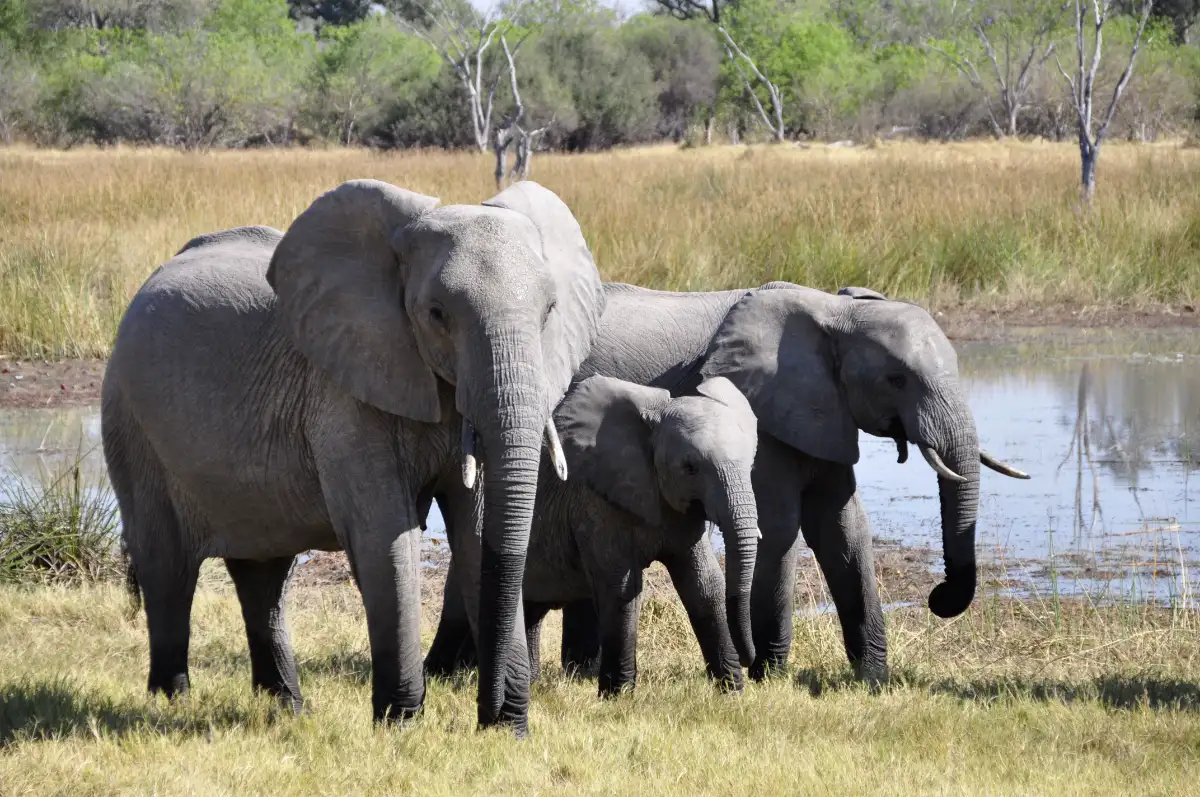
Amboseli National Park provides the most iconic photographic setting in Africa: elephant herds moving across the plains with Mount Kilimanjaro, Africa's highest mountain, rising on the horizon.
Tsavo East and Tsavo West together form the largest protected area in Kenya, covering over 20,000 square kilometres, but receive a fraction of the visitor numbers that reach the Maasai Mara.
Samburu National Reserve in northern Kenya is the only location where five endemic wildlife species, collectively known as the Special Five, can be reliably seen: the Grevy's zebra, reticulated giraffe, Somali ostrich, beisa oryx, and gerenuk.
Lake Nakuru National Park is the most reliable destination in Kenya for both white and black rhino sightings and is one of the world's most famous flamingo viewing destinations.
Nairobi National Park is the only national park in the world that shares its boundary with a major capital city and offers game drives within sight of an urban skyline.
Kenya Wildlife Service, the government body responsible for managing Kenya's national parks and reserves, was established in 1990 and manages a network protecting approximately 8 percent of Kenya's total land area.
The Maasai Mara National Reserve covers approximately 1,510 square kilometres and is managed by the Narok County Government, while the surrounding Mara ecosystem including private conservancies covers approximately 40,000 square kilometres.
Kenya National Parks Fact Box
Kenya has 23 national parks, 34 national reserves, and numerous conservancies managed by communities and private operators under the oversight of Kenya Wildlife Service.
The Maasai Mara National Reserve receives approximately 350,000 to 400,000 visitors annually, making it the most visited safari destination in East Africa.
Tsavo National Park, comprising Tsavo East and Tsavo West, covers approximately 20,812 square kilometres and is the largest national park in Kenya and one of the largest in the world.
Amboseli National Park covers approximately 392 square kilometres and is adjacent to Mount Kilimanjaro, which at 5,895 metres is the highest point in Africa.
Kenya is home to approximately 35,000 elephants, representing one of the largest elephant populations in Africa according to the Kenya Wildlife Service.
Lake Nakuru National Park is fully fenced and has been specifically managed as a rhino sanctuary since 1983, with both white and black rhino populations protected within the fence.
Nairobi National Park covers approximately 117 square kilometres and lies within 7 kilometres of Nairobi's central business district, making it the world's only capital city national park shared with dangerous wildlife including lion, leopard, and rhino.
According to the Kenya Tourism Board, safari tourism contributes approximately USD 1.8 billion annually to the Kenyan economy.
The Best National Parks in Kenya — Detailed Reviews
1. Maasai Mara National Reserve — The Park That Defines the Word Safari
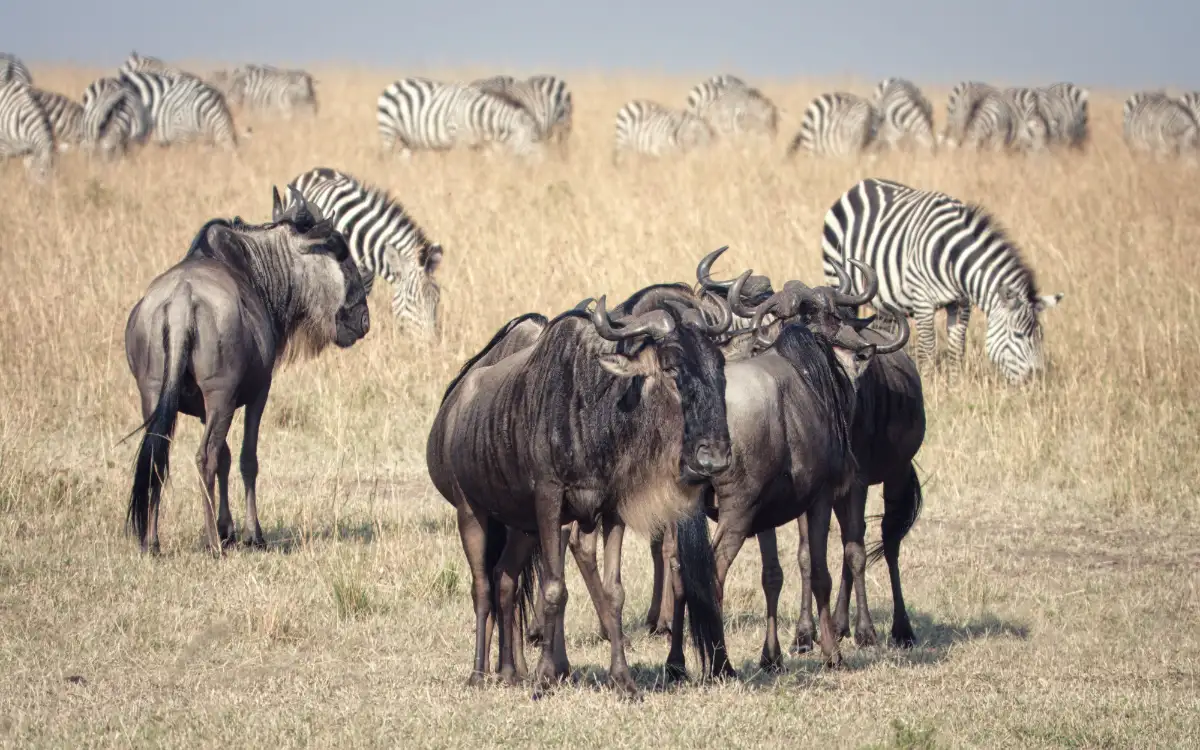
The Maasai Mara National Reserve is the most famous safari destination in Africa and for reasons that are entirely defensible. The Mara sits at the northern end of the greater Serengeti Mara ecosystem, a transboundary landscape of approximately 40,000 square kilometres that supports the last intact large mammal migration in the world. During the annual Great Migration between late July and October, approximately 1.5 million wildebeest, 200,000 zebra, and 500,000 Thomson's gazelles cross from Tanzania into Kenya seeking fresh grazing, producing the Mara River crossings that have generated more iconic wildlife footage than any other location on earth.
Outside the migration season, the Mara's resident predator population makes it one of the most reliably productive Big Five destinations in Africa. Approximately 22 lion prides occupy the reserve and surrounding conservancies. The Mara Triangle, the western section of the reserve managed separately by the Mara Conservancy, consistently produces exceptional leopard sightings in the fig and acacia trees along the Mara River. Cheetah families work the open grassland of the eastern reserve with a visibility that the more forested safari destinations cannot match.
The private conservancies surrounding the main reserve, including Olare Motorogi, Naboisho, Mara North, and Ol Kinyei, offer the same wildlife access with lower vehicle density and additional activity permissions including night drives and walking safaris that the main reserve does not permit.
Maasai Mara Key Facts for Visitors
The reserve is accessible by scheduled light aircraft from Wilson Airport in Nairobi on operators including SafariLink and Airlink, with a flight time of approximately 45 minutes. The main reserve operates under Nairobi County Government management while the Mara Triangle is managed by the Mara Conservancy. Vehicle density at popular sightings during the July to October peak season can be significant: choosing a conservancy camp over a main reserve camp significantly reduces vehicle competition at sightings and adds night drive and walking safari permissions.
Best months: July through October for the Great Migration river crossings. January through March for short grass plains and excellent predator visibility. Year round for resident Big Five.
2. Amboseli National Park — Africa's Most Iconic Photograph, Made Real
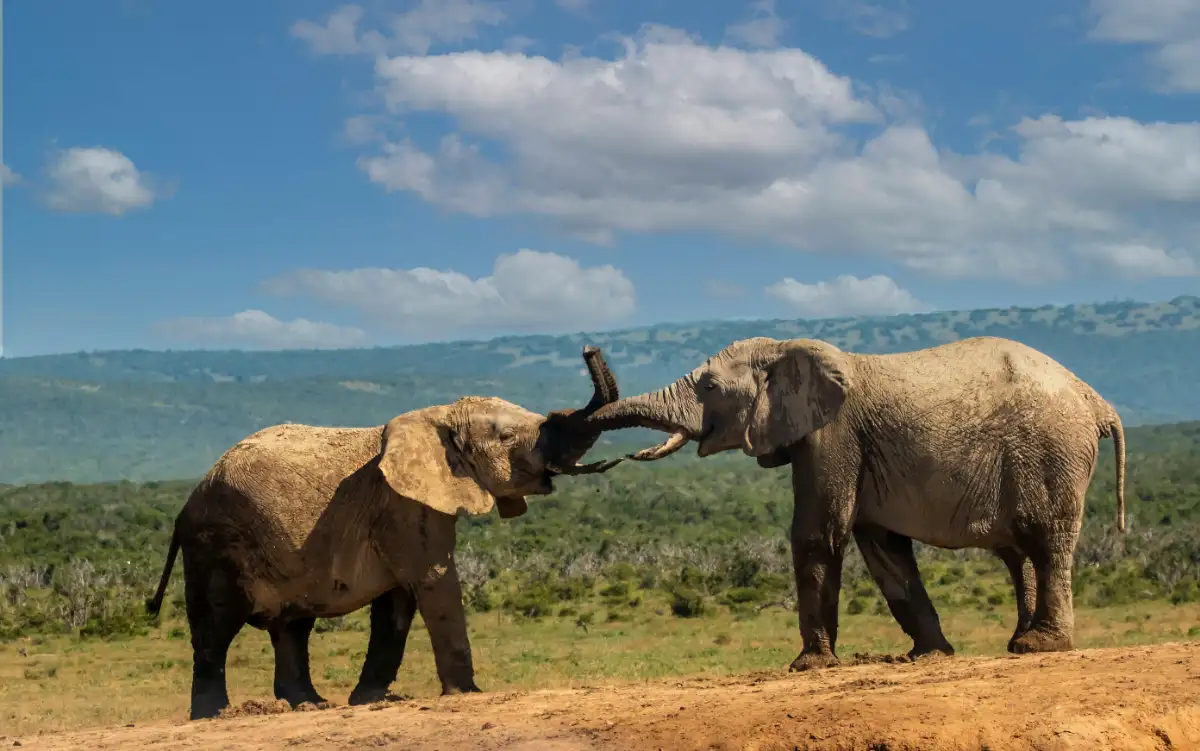
Amboseli National Park in southern Kenya is the source of what is arguably the most reproduced wildlife photograph in the world: an elephant herd in the foreground, the Amboseli swamp visible behind them, and Mount Kilimanjaro rising in full snow capped splendour on the southern horizon. This image exists in its thousands, produced by photographers ranging from National Geographic professionals to first time safari visitors on their second morning in the park. Its reproducibility is not a reflection of overexposure. It is a reflection of the fact that the original subject genuinely looks like that.
The specific quality of Amboseli's wildlife is its elephants. The park is home to some of the most studied elephant families in the world, documented continuously by the Amboseli Elephant Research Project, established by Cynthia Moss in 1972, in the longest running large mammal study in history. The individual elephants of the park's studied families are known by name, their life histories are documented across generations, and the guides who work Amboseli develop a personal familiarity with these specific animals that transforms the game drive from a generic wildlife encounter into a visit with specific, named individuals whose biographies your guide knows in detail.
The park's permanent swamps, Enkongo Narok and Ol Okenya, are fed by underground water filtering from Kilimanjaro's volcanic rock and remain productive year round even in drought years, concentrating wildlife along their margins and making every game drive inherently rewarding regardless of season or conditions elsewhere in the park.
Amboseli Practical Information
Amboseli is accessible by road from Nairobi in approximately four hours and by scheduled light aircraft from Wilson Airport in approximately 45 minutes. The park covers 392 square kilometres and is compact enough to explore thoroughly in two to three days. The best Kilimanjaro views occur in the early morning before cloud forms around the summit, typically between 6 and 9 am. January and February are statistically the clearest months for the Kilimanjaro horizon. The park entrance is managed by Kenya Wildlife Service.
Best months: Year round for elephants. January and February for clearest Kilimanjaro views. June through October for dry season wildlife concentration.
3. Tsavo East National Park — Kenya's Wilderness at Full Scale
Tsavo East National Park is the larger of the two Tsavo parks and one of the most under visited major national parks in Kenya relative to its size and wildlife quality. Covering approximately 11,747 square kilometres, it is a landscape of semi arid acacia scrubland, ancient lava flows, and the Galana River, the only permanent water source in the region, whose banks draw wildlife from enormous distances during the dry season and produce some of the most productive game drive conditions in the country.
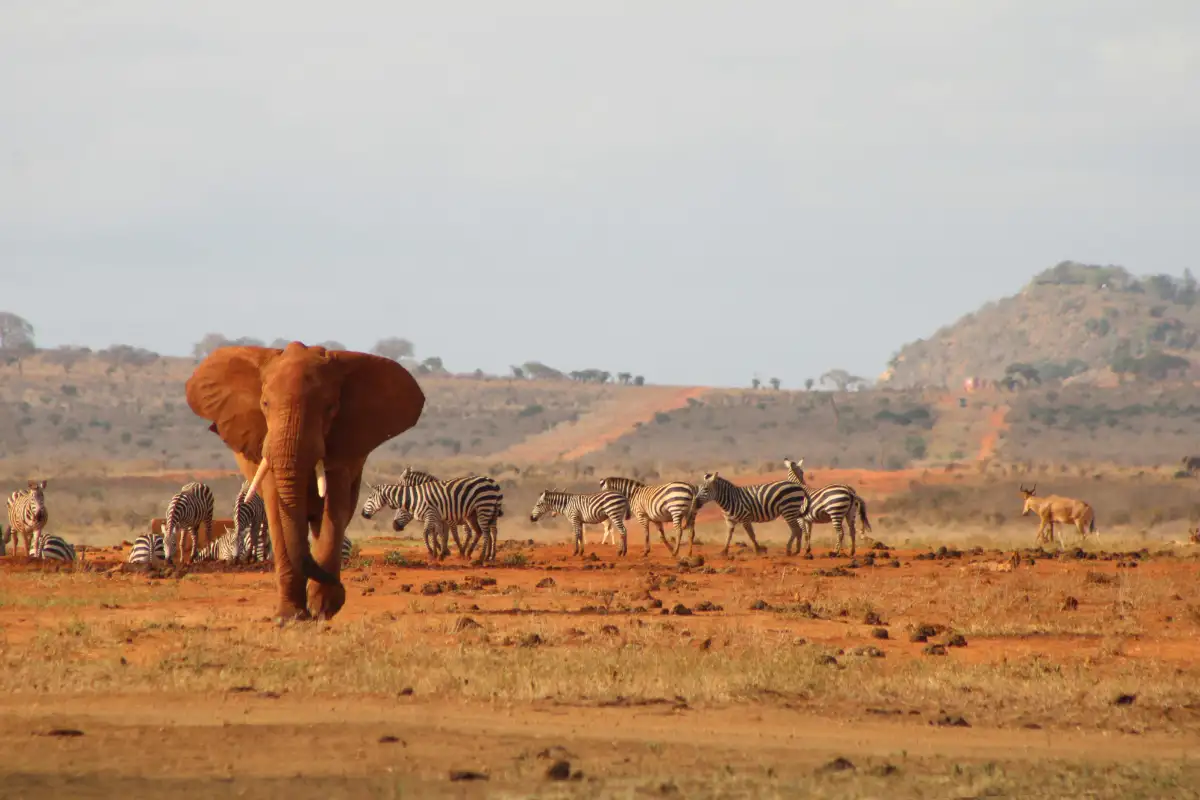
The red elephants of Tsavo East are the most visually specific elephant population in Kenya. Their grey skin is permanently stained by the iron rich volcanic dust of the Tsavo ecosystem that they throw over themselves for thermoregulation and parasite control, giving them a terracotta colouring that distinguishes them from any other elephant population in Africa. The Tsavo East elephants are also among the largest bodied elephants in Kenya, and the combination of their size, their distinctive colouring, and their specific landscape gives any Tsavo game drive a visual character entirely its own.
The Mudanda Rock viewpoint in the park's south provides one of the most dramatic wildlife viewing platforms in Kenya: a long smooth inselberg overlooking a natural water catchment where hundreds of elephant, buffalo, and zebra gather during the dry season in concentrations that the wetter, more dispersed ecosystems cannot match.
The Tsavo Man Eaters and the Bridge That Stopped a Railway
The Tsavo landscape carries one of the most famous wildlife stories in colonial African history. During the construction of the Uganda Railway in 1898, two male lions killed and consumed an estimated 35 workers over nine months at the railway bridge crossing near Tsavo station, halting construction and becoming the subject of Colonel J.H. Patterson's account The Man Eaters of Tsavo, subsequently adapted into film multiple times. The bridge site is accessible to visitors, and the combination of the historical account and the landscape in which it occurred adds a specific narrative layer to the Tsavo game drive that the more visited parks cannot provide.
Best months: June through October for dry season wildlife concentration at the Galana River. Year round for resident wildlife.
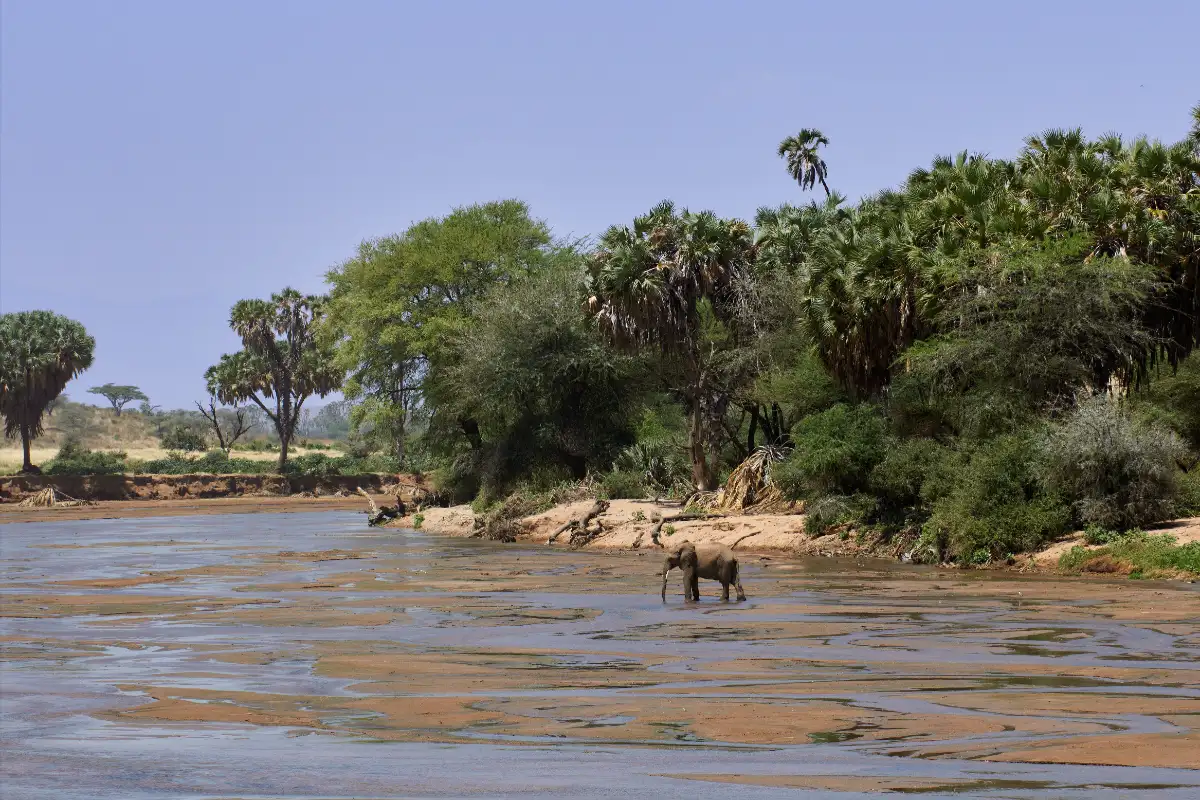
4. Tsavo West National Park — Green Hills, Clear Springs, and Rhino Country
Tsavo West covers approximately 9,065 square kilometres west of the Nairobi to Mombasa highway and has a markedly different character from its eastern counterpart. The landscape is greener and more topographically varied, defined by volcanic hills, lava flows, and the extraordinary Mzima Springs where crystal clear water filtered through volcanic rock bubbles up from underground at a rate of approximately 50 million litres per day and flows through a series of pools inhabited by hippo, Nile crocodile, and the silver barbel fish that move through water so transparent that the pools look more like an aquarium than a river.
The Chaimu Crater, a recent volcanic feature accessible by a short walk, and the Shetani Lava Flow, a black volcanic lava field of approximately 200 square kilometres produced by an eruption approximately 200 years ago, add geological drama to the wildlife programme. Tsavo West is also the primary rhino area of the southern Kenya circuit, with black rhino protected within the Ngulia Rhino Sanctuary in the park's north.
Best months: Year round. June through October for dry season and optimal wildlife viewing.
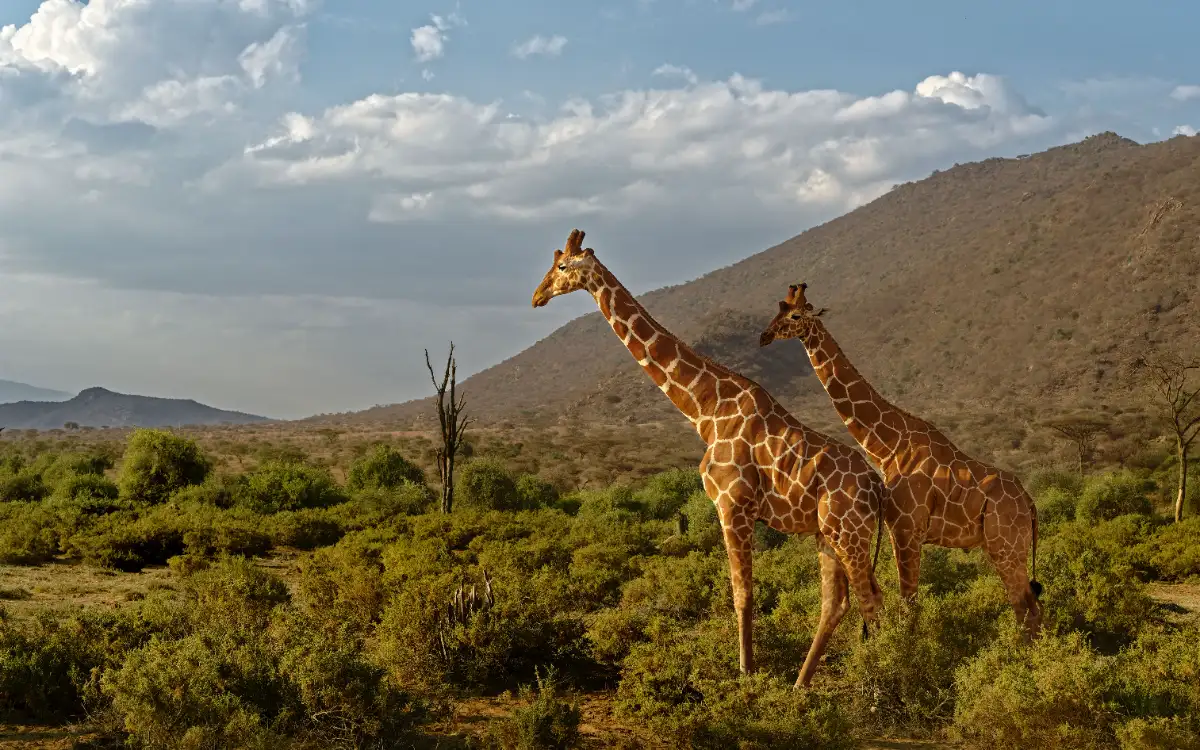
5. Samburu National Reserve — The Northern Frontier and Its Endemic Wildlife
Samburu National Reserve in Isiolo County, approximately 350 kilometres north of Nairobi, is the most specifically irreplaceable wildlife destination in the Kenya safari circuit. The reserve flanks the Ewaso Nyiro River, the only permanent water source in a semi arid landscape, and the wildlife concentration along its banks during the dry season produces some of the most reliably productive game drives in Kenya.
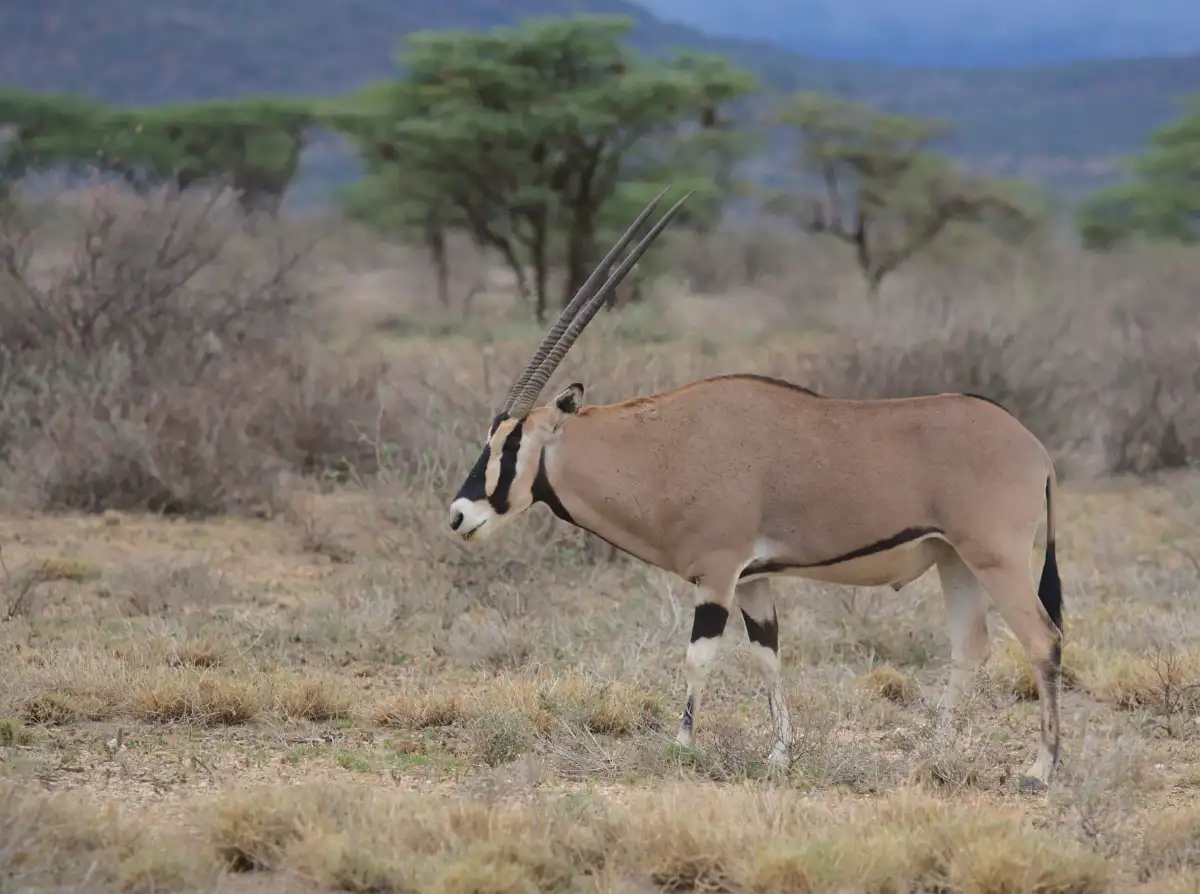
What makes Samburu uniquely valuable is the presence of its five endemic species, collectively known as the Special Five, that are found here and virtually nowhere else in Kenya. The Grevy's zebra, the world's most endangered zebra species with a global population of fewer than 3,000 individuals, has a pattern of pencil thin stripes and a body size closer to a horse than to the common zebra. The reticulated giraffe carries deep mahogany polygons separated by white lines in a pattern that appears hand painted in a way that the Maasai giraffe's looser markings do not. The gerenuk stands on its hind legs to browse acacia branches that no other antelope reaches. The beisa oryx carries two straight rapier horns that make it one of the most architecturally elegant animals in Africa. The Somali ostrich displays vivid blue grey legs that distinguish it from the common ostrich at any distance.
No other accessible Kenya destination provides reliable sightings of all five of these species, which means Samburu is not a substitute for the Mara but a complement to it that adds an entirely different chapter to any Kenya safari.
Samburu Guides — Why Local Knowledge Matters Most Here
The guides who work the Samburu National Reserve are predominantly members of the Samburu community whose personal and familial knowledge of the landscape, its animal families, and their specific territories is generational rather than trained. A Samburu guide's ability to read the Ewaso Nyiro's wildlife traffic, predict which section of the riverbank will be productive in the next hour, and locate the specific individual animals that have been followed over years of observation transforms the experience in ways that no map or app replicates.
Best months: July through October and January through February for dry season wildlife concentration at the Ewaso Nyiro River. Year round for Special Five.
6. Lake Nakuru National Park — Rhinos, Flamingos, and the Pink Shore
Lake Nakuru National Park in the Rift Valley is one of the most compact and most wildlife productive parks in Kenya, covering approximately 188 square kilometres within a fully fenced boundary. The park is a designated rhino sanctuary and holds both white and black rhino in populations that are among the most reliably visible in Kenya, particularly along the yellow fever tree woodland corridors in the north of the park and around the Makalia Falls area.
Lake Nakuru itself, an alkaline soda lake at the park's centre, historically held the largest concentration of Lesser Flamingos in the world with peaks of one to two million birds turning the shoreline a continuous, improbable pink. Flamingo numbers fluctuate with algae levels and water volume but the lake remains one of the best flamingo viewing destinations in Kenya alongside Lake Bogoria to the north.
The Baboon Cliff viewpoint in the park's north provides the most comprehensive aerial view of the lake and the surrounding park, with a perspective that encompasses the full flamingo shoreline, the yellow fever tree forest, and the escarpment rising behind the park in a panorama that summarises Nakuru's character in a single frame.
Lake Nakuru as a Family Safari Destination
The compact size of Lake Nakuru, its fence security, and its combination of large easily visible wildlife including giraffe, buffalo, lion, leopard, and rhino alongside the visually immediate spectacle of the flamingos make it one of the best introductory safari destinations in Kenya for families with children. Game drives never require the extended patience that larger, more open parks sometimes demand, and the probability of significant sightings within the first two hours of arrival is higher here than in almost any other Kenyan park.
Best months: Year round for rhino. Peak flamingo numbers are variable and best confirmed locally before travel.
7. Nairobi National Park — The World's Only Capital City Safari
Nairobi National Park is 7 kilometres from the Nairobi CBD and 15 minutes from Jomo Kenyatta International Airport. It is the only national park in the world that shares its boundary with a major capital city and supports dangerous wildlife including lion, leopard, cheetah, black rhino, buffalo, giraffe, and over 400 bird species within sight of urban skyscrapers.
The park's northern boundary is unfenced, allowing wildlife to move seasonally between the park and the Kitengela Conservation Area to the south. The Nairobi skyline visible from the northern game drive circuit creates the most surreal and most frequently photographed juxtaposition in African safari geography: a lion sleeping on an ant hill with glass towers rising in the haze behind them.
For travellers with limited time in Kenya, spending two hours on an early morning game drive in Nairobi National Park before or after an international flight is one of the most time efficient wildlife experiences available anywhere on earth.
Best months: Year round. Dry season from June to October for best wildlife visibility.
8. Aberdare National Park — The Mountain Wilderness Above Nairobi
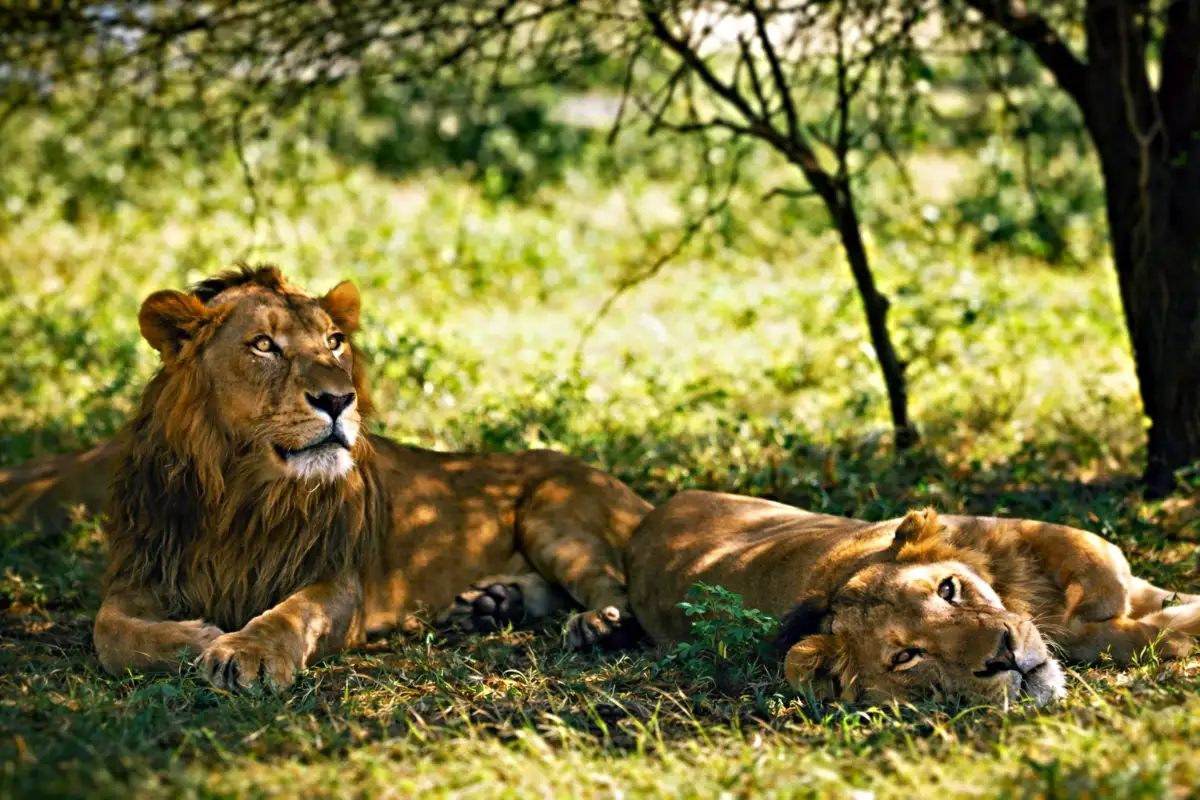
Aberdare National Park in the central highlands covers the moorland and bamboo forest zone of the Aberdare Mountains at altitudes from approximately 1,800 to 4,000 metres and contains the most distinctive highland wildlife ecosystem in Kenya. Black and white colobus monkeys move through the bamboo forest in troops that are more easily observed here than in almost any other accessible Kenyan location. Giant forest hog, serval, and a dense spotted hyena population are among the most reliably encountered nocturnal species in the park.
The waterhole lodges of the Aberdares, Treetops and The Ark, offer a format unavailable elsewhere in Kenya: guests watch from elevated platforms as wildlife comes to a floodlit waterhole throughout the night. Treetops carries specific historical significance as the location where Princess Elizabeth learned of her accession to the British throne on February 6, 1952, during a stay at the original lodge.
Best months: Year round. June through September for dry conditions and clear mountain views.
9. Mount Kenya National Park — Africa's Second Highest Summit
Mount Kenya National Park protects the slopes and summit of Mount Kenya, at 5,199 metres the highest mountain in Kenya and the second highest in Africa. The mountain's different altitude zones support distinct ecosystems from the montane forest at the base, through bamboo forest, giant heather moorland, and the afroalpine zone to the permanent ice fields at the summit.
The mountain is a serious trekking destination with multiple routes of varying difficulty reaching Point Lenana, the trekking summit at 4,985 metres, achievable by fit non technical trekkers over three to four days. The summit glaciers, which are retreating visibly due to climate change and are projected to disappear entirely within decades, add an urgency to the trekking programme that makes a Mount Kenya ascent specifically timely in 2026.
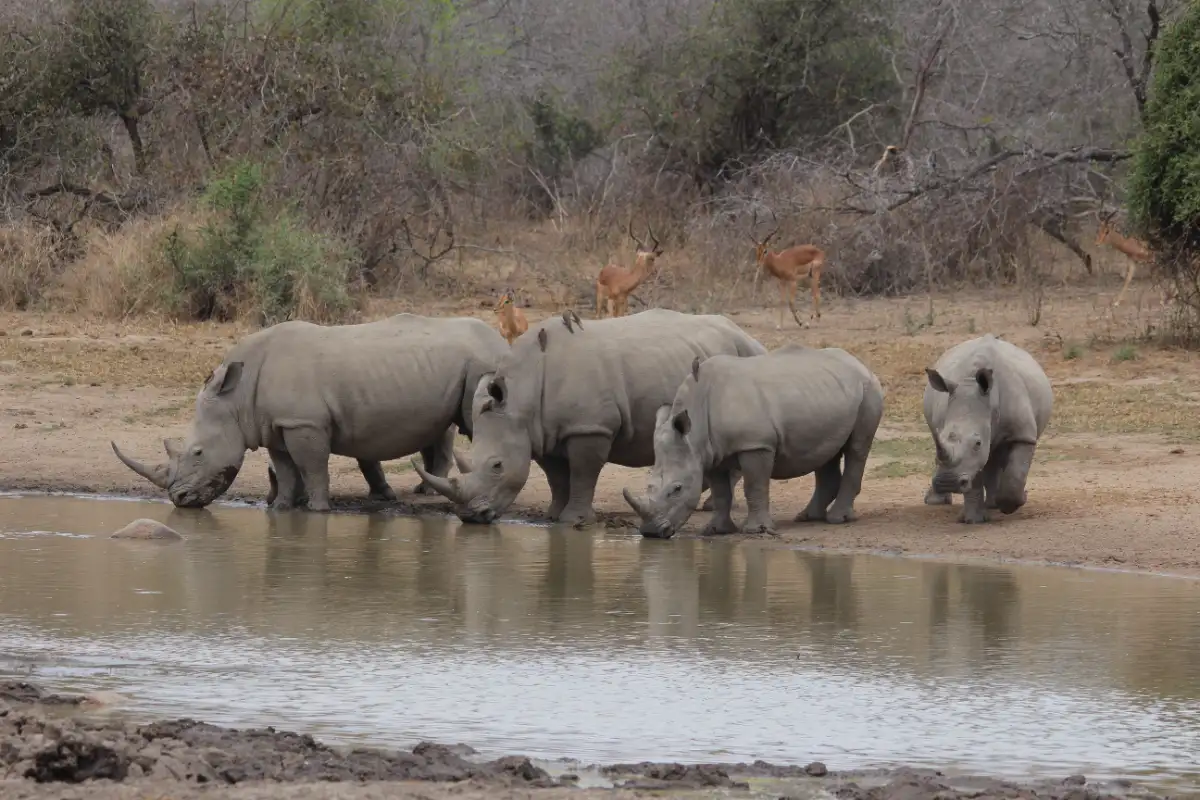
The forest zones below the trekking routes support elephant, buffalo, black and white colobus, and a giant forest hog population that produces the largest specimens of that species anywhere in Kenya.
Best months: January to March and July to October for the driest trekking windows.
10. Ol Pejeta Conservancy — The Laikipia Plateau's Conservation Showpiece
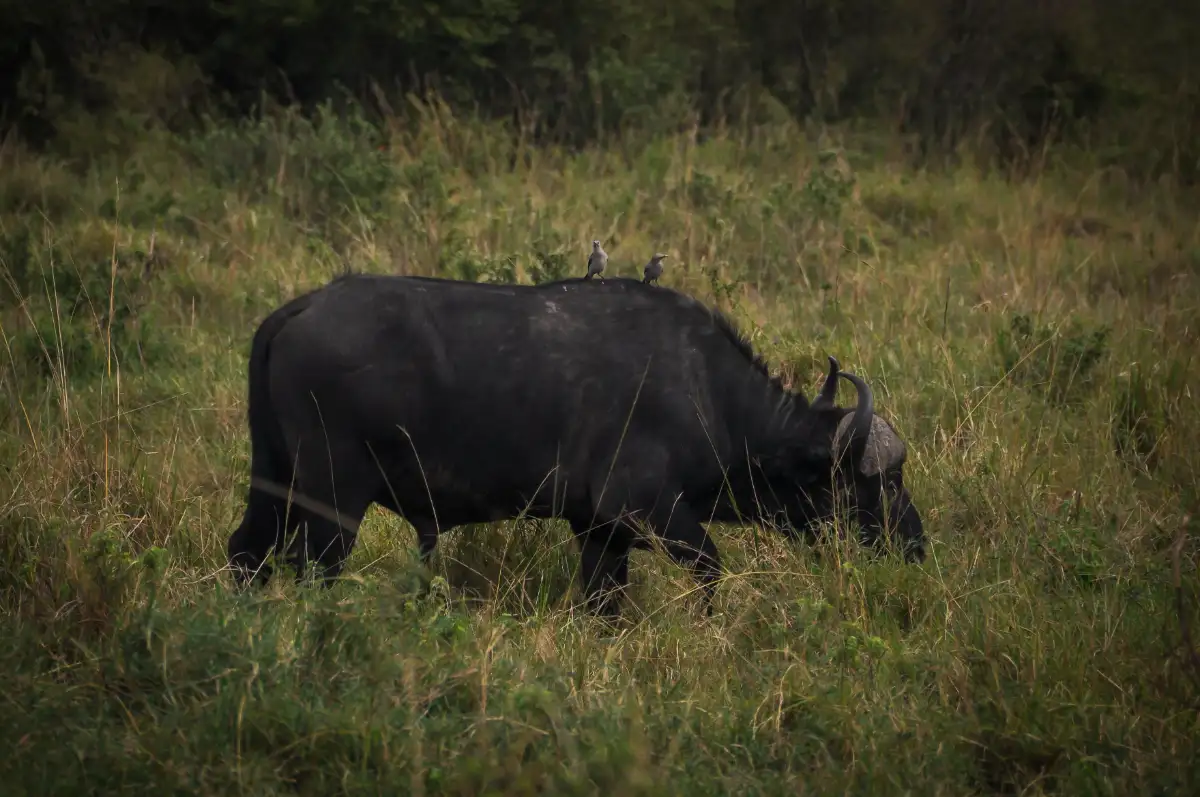
Ol Pejeta Conservancy in the Laikipia Plateau is technically a private conservancy rather than a national park but is managed in full partnership with Kenya Wildlife Service and represents the most important single conservation property in Kenya outside the national park system. It is the largest black rhino sanctuary in East Africa and is the home of Najin and Fatu, the last two northern white rhinos on the planet, under 24 hour armed guard.
The conservancy also supports the largest chimpanzee sanctuary in East Africa within its boundaries, full Big Five wildlife including an exceptional lion population, African wild dog, and one of the most active wildlife research programmes in Kenya in partnership with international institutions.
The northern white rhino situation at Ol Pejeta is one of the most urgent conservation stories currently active on earth. Visiting the enclosure and standing in proximity to Najin and Fatu while understanding the specific human decisions that reduced their subspecies from over 2,000 individuals in the 1970s to two animals today is an experience of moral weight that no other wildlife encounter in Kenya produces in quite the same way.
Best months: Year round. Dry season June through October for optimal game drives.
11. Meru National Park — The Comeback Story
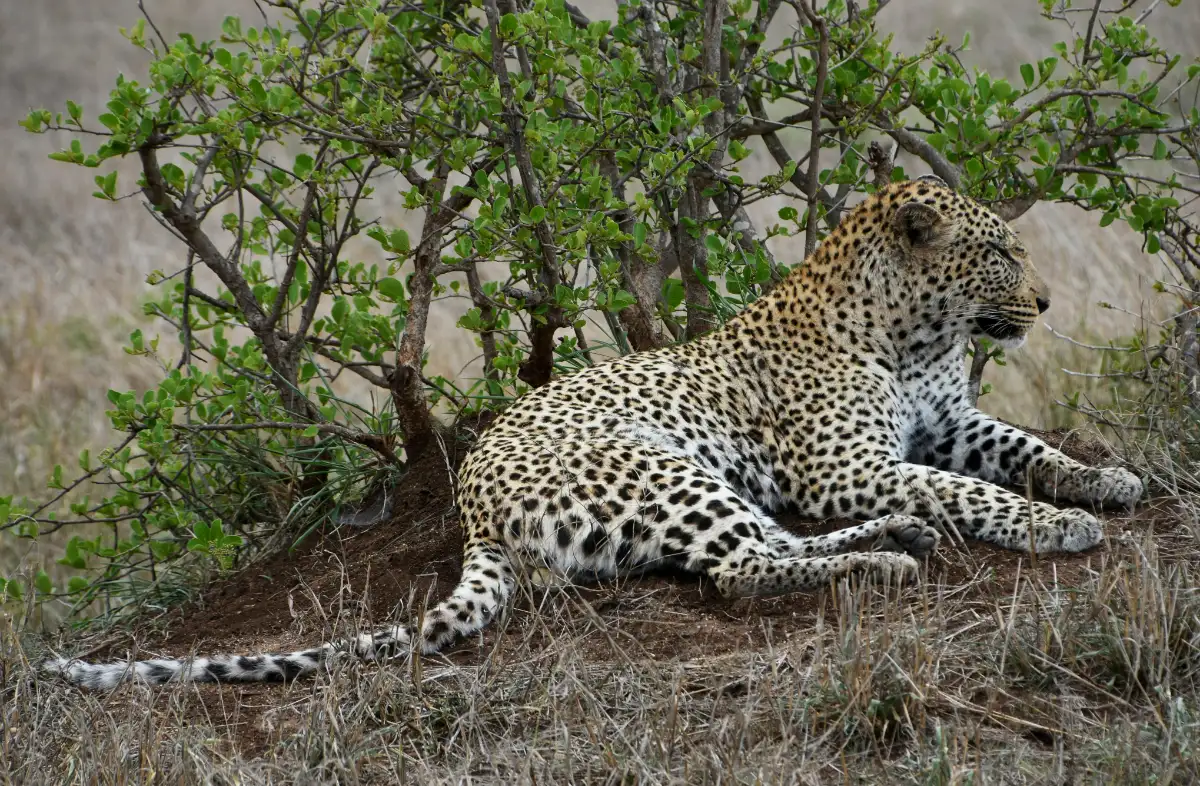
Meru National Park northeast of Mount Kenya was the location where Joy Adamson raised Elsa the lioness to adulthood in the 1960s, as documented in her book and the subsequent film Born Free. The park was subsequently devastated by poaching in the 1980s and 1990s in a collapse so complete that Kenya Wildlife Service effectively withdrew from it. The rehabilitation programme begun in the early 2000s has produced one of Kenya's most remarkable wildlife recovery stories: Big Five populations are restored, the Tana River hippo and crocodile communities are thriving, and the park's extraordinary landscape of open plains, riverine forest, and distinctive doum palm scenery is experienced by fewer than 10,000 visitors per year.
Meru's emptiness is its most specific quality. On a typical day in the park you will encounter fewer than a dozen other visitor vehicles across an area of approximately 870 square kilometres. The guides work without radio coordination between vehicles because there are not enough vehicles to coordinate. The sightings are earned through patience and observation rather than directed through a tourist communication network.
Best months: June through October. Avoid April and May when long rains make roads difficult.

12. Hell's Gate National Park — The Park You Walk and Cycle Through
Hell's Gate National Park near Lake Naivasha in the Rift Valley is the only national park in Kenya where visitors are permitted to walk and cycle freely without a guide and without armed escort. The landscape is defined by dramatic volcanic cliffs, deep gorges carved by ancient water and current geothermal activity, and thermal steam vents that produce the specific atmospheric quality of an active geological zone that no other Kenyan park provides.
Wildlife in Hell's Gate includes giraffe, zebra, buffalo, warthog, and antelope species that can be encountered on foot or from a bicycle at a proximity that vehicle based game drives cannot achieve. The gorge walk at the park's southern end moves through a narrow canyon of volcanic rock where the walls press in and the echoes of water and birds create a specific acoustic environment entirely unlike the open savannah of the main safari circuit.
Best months: Year round. October through March for driest conditions.
Kenya National Parks Quick Comparison Guide
Which Park Is Best for Each Traveller Type?
For first time Kenya visitors who want the most complete introduction to African wildlife, the Maasai Mara and Amboseli combination covers both the iconic migration ecosystem and the Kilimanjaro elephant experience in a single trip and represents the two most internationally recognised wildlife landscapes in the country.
For wildlife photography, the Maasai Mara private conservancies during the July to October season offer private vehicle access and off road permissions that produce the most controlled photographic conditions in Kenya. Amboseli produces the most iconic single frame compositions. Tsavo East's Mudanda Rock dry season gatherings produce a scale of elephant congregation that no other Kenyan park matches.
For rhino sightings, Lake Nakuru's fully fenced sanctuary environment offers the most reliable black and white rhino encounters in Kenya. Ol Pejeta produces some of the most emotionally significant rhino encounters available anywhere in Africa.
For endemic species and northern frontier landscape, Samburu is the only choice for the Special Five and its combination of wildlife quality and landscape character is entirely distinct from any southern Kenya experience.
For adventure and physical activity, Mount Kenya for trekking, Hell's Gate for cycling and walking, the Aberdares for night waterhole watching, and Samburu for the specific sensation of being in a landscape that feels genuinely frontier represent the broadest activity programme available in the Kenyan national park system.
For families with young children, Lake Nakuru's compact size, high wildlife density, and immediate visual payoff makes it the best introductory park in Kenya for younger visitors.
For couples and honeymooners, the Maasai Mara private conservancies with private vehicle access, night drives, and the specific intimacy of a small conservancy camp offer the most romantically complete Kenya experience. Amboseli's sundowner culture and the Kilimanjaro backdrop produce the most specifically memorable couple photographic record of any park in the country.
Planning Your Kenya National Park Safari
Getting to Kenya's National Parks
Most international visitors to Kenya arrive at Jomo Kenyatta International Airport in Nairobi, operated by the Kenya Airports Authority, or at Moi International Airport in Mombasa. Wilson Airport, a domestic aviation hub 6 kilometres from the CBD, is the departure point for scheduled light aircraft services to all major Kenyan parks and reserves.
Scheduled domestic operators including SafariLink Aviation, Airlink East Africa, and Fly540 operate regular services from Wilson Airport to airstrips serving the Maasai Mara, Amboseli, Samburu, Tsavo, Meru, and Lewa Downs. Flight times range from 45 minutes to the Mara to approximately 90 minutes to Samburu. Internal flights are the most time efficient way to connect multiple parks in a limited itinerary and the aerial approach to each park provides a perspective on the landscape that the road transfer misses.
Road transfers from Nairobi to the closer parks including Nakuru (approximately 2.5 hours), Naivasha (approximately 2 hours), Amboseli (approximately 4 hours), and Tsavo West (approximately 4.5 hours) are viable and in some cases add landscape value through the Rift Valley escarpment descent and the Maasai heartland passage.
Kenya Wildlife Service Entry Fees and Permits
Kenya Wildlife Service manages entry fees for all national parks. Non resident adult fees for the most visited parks in 2026 range from approximately USD 35 to USD 80 per person per day depending on the park. The Maasai Mara is managed by the Narok County Government rather than Kenya Wildlife Service and charges a separate conservation fee of approximately USD 80 to USD 200 per person per day depending on the season, making it the most expensive park entry in Kenya.
Park fees are typically not included in safari accommodation rates at the camp level and should be budgeted separately as an additional cost when comparing accommodation pricing.
Best Time to Visit Kenya's National Parks
The dry season from June through October is the most universally recommended period for Kenyan safaris across all parks, when vegetation is sparse, wildlife concentrates around water sources, and road conditions are optimal. The January to March short dry season is the second best window and the period when Kilimanjaro views from Amboseli are statistically clearest.
The long rains from April through May and the short rains in November affect road access and visibility to varying degrees across different parks. Tsavo's murram roads become the most challenging in heavy rain. The Maasai Mara's grass grows tall in the rains and reduces predator visibility. Lake Nakuru and the Naivasha circuit remain accessible and productive through most rain periods.
Health and Safety in Kenya's National Parks
Malaria is a risk in all lowland Kenyan parks including the Maasai Mara, Amboseli, Tsavo, Samburu, and Lake Nakuru. Antimalarial prophylaxis prescribed by a travel medicine doctor is strongly recommended for all sub highland Kenya destinations. The highland parks including the Aberdares, Mount Kenya, and Hell's Gate are above the altitude threshold for malaria risk.
Yellow fever vaccination is required for entry to Kenya if arriving from a country with yellow fever transmission risk. Travel insurance including medical evacuation cover is essential: the nearest high quality medical facilities for the remote parks are in Nairobi and medical evacuation from a remote park location requires helicopter or light aircraft transport that is both time critical and expensive without insurance.
Frequently Asked Questions About Kenya National Parks
What is the best national park in Kenya? The Maasai Mara National Reserve is the most famous and most consistently productive national park in Kenya, particularly between July and October during the Great Migration. For wildlife photography, Amboseli provides the most iconic compositions. For endemic species, Samburu is irreplaceable. The best park depends on the specific wildlife experience you are prioritising.
What is the most visited national park in Kenya? The Maasai Mara National Reserve is the most visited wildlife destination in Kenya, receiving approximately 350,000 to 400,000 international visitors annually. Nairobi National Park, given its proximity to the capital and its accessibility, also receives a very high visitor count relative to its size.
What is unique about Nairobi National Park? Nairobi National Park is the world's only national park that shares its boundary with a major capital city and supports dangerous wildlife including lion, leopard, cheetah, buffalo, and black rhino within sight of an urban skyline. It is 7 kilometres from Nairobi's CBD and is the most accessible game drive available in any major African city.
What are the Special Five in Samburu? The Special Five are five wildlife species endemic to the northern frontier region of Kenya that can be reliably seen in Samburu National Reserve and are found in very few other accessible Kenyan locations. They are: the Grevy's zebra, the reticulated giraffe, the gerenuk, the beisa oryx, and the Somali ostrich.
How many national parks does Kenya have? Kenya has 23 national parks, 34 national reserves, and numerous community and private conservancies managed in partnership with Kenya Wildlife Service. Together these protected areas cover approximately 8 percent of Kenya's total land area.
What is the best time to visit the Maasai Mara? The Great Migration river crossings, which are the Maasai Mara's most famous wildlife event, occur between late July and mid October. The peak crossing activity is typically in August and September. The best predator activity on short grass is between January and March. The Maasai Mara is productive year round for resident wildlife including lion, leopard, elephant, and cheetah.
Is Tsavo National Park worth visiting? Yes. Tsavo East and Tsavo West together form the largest protected area in Kenya with excellent Big Five wildlife and dramatically lower vehicle density than the Maasai Mara. The red elephants of Tsavo East, the Mzima Springs in Tsavo West, and the Mudanda Rock dry season wildlife concentration are experiences specific to this park that are not available anywhere else in Kenya.
What is the best Kenya park for rhino sightings? Lake Nakuru National Park is the most reliable destination in Kenya for both white and black rhino sightings, as the park operates as a fully fenced rhino sanctuary. Ol Pejeta Conservancy in the Laikipia Plateau is the best destination for the most significant and most emotionally affecting rhino encounter, as the home of the last two northern white rhinos on earth.
Can you walk or cycle in any Kenya national parks? Hell's Gate National Park near Lake Naivasha is the only national park in Kenya that permits visitors to walk and cycle freely without a guide or armed escort. Mount Kenya National Park permits guided trekking on designated routes. Some private conservancies adjacent to national parks permit guided walking safaris that are not available inside the main park boundaries.
How do I choose between the Maasai Mara private conservancies and the main reserve? The main Maasai Mara reserve offers the highest wildlife density and is the most famous safari landscape in Kenya. The private conservancies adjacent to it, including Olare Motorogi, Naboisho, and Mara North, offer lower vehicle density, access to night drives and walking safaris not permitted in the main reserve, and a more exclusive overall experience. For first time visitors, the main reserve provides the iconic Mara experience. For experienced safari travellers or those seeking maximum exclusivity, the conservancies provide the superior experience.
What is Ol Pejeta Conservancy famous for? Ol Pejeta Conservancy in the Laikipia Plateau is the largest black rhino sanctuary in East Africa and the home of Najin and Fatu, the last two northern white rhinos on earth. It also supports full Big Five populations, the largest chimpanzee sanctuary in East Africa, African wild dog, and one of Kenya's most active wildlife research programmes.
Book Your Kenya National Park Safari Through Plan My Experiences
Why Local Expert Knowledge Transforms a Kenya Safari
The Maasai Mara guide who knows the individual members of each lion pride by the specific spot patterns above their whisker lines transforms a lion sighting from a generic Big Five tick into a visit with a specific, named animal whose life history and family structure your guide can narrate from personal experience. The Amboseli guide who has been following the same elephant matriarchs for fifteen years knows which family is currently moving toward the Enkongo Narok swamp and why the calf at the edge of the herd is walking with a slight reluctance that suggests something happened in the last 24 hours.
This level of specific, personal, currently active knowledge is not available from a global aggregator platform or a generic itinerary builder. It lives in individual people who have spent years in specific parks developing a relationship with the land and the animals that is, in every meaningful sense, irreplaceable.
Plan My Experiences is the premier African travel marketplace that connects international travellers directly with this level of local expertise. Every operator, guide, and experience provider listed on the platform has been assessed for genuine on the ground knowledge, community connection, and the operational quality that produces genuinely transformative rather than merely adequate safari experiences.
How Travellers Find and Book Kenya Safari Experiences Through Plan My Experiences
Visit the Plan My Experiences website and search by park name, experience type, or travel style. The platform returns a curated selection of local operators with full descriptions of their experiences in their own words, transparent pricing that reflects the operator's own valuation rather than a platform markup, and verified reviews from travellers who completed the experience through the platform.
You communicate directly with the operator before booking. You ask the specific questions about guide experience, vehicle type, group size, and current wildlife conditions that determine whether this specific operator is the right match for your specific Kenya safari. You arrive knowing exactly who you will be with and why their specific knowledge makes the difference.
Plan My Experiences allows you to build a complete Kenya safari across multiple parks: the Maasai Mara game drives, the Amboseli sunrise elephant programme, the Samburu Special Five focus, the Lake Nakuru rhino and flamingo circuit, the Nairobi National Park transit drive, and all the connecting transfers and internal flights that link them, all through a single platform with no opaque pricing and no intermediary markup between you and the local specialists delivering each component.
Benefits for Local Tour Operators, Accommodation Providers, Activity Providers, and Transfer Companies
If you operate game drives, guided walks, cultural experiences, accommodation, activity programmes, or airport and inter park transfers in any Kenyan national park or reserve, Plan My Experiences gives you direct access to the international travellers who are actively planning the Kenya safari this guide describes.
For local tour operators and guides: Listing your game drive, walking safari, night drive, cultural visit, or any other guided experience is completely free. You set your own pricing, describe your experience in your own voice, and manage your own availability without platform interference.
For accommodation providers: Whether you manage a luxury tented camp, a mid range safari lodge, a community guesthouse, or any other visitor accommodation in the Kenya national park ecosystem, Plan My Experiences surfaces your property to travellers who are specifically looking for accommodation that is community connected and locally endorsed.
For activity providers: Balloon safari operators, boat trip providers, cycling tour companies, horse riding operators, and cultural experience providers across the Kenya safari circuit can list their specific activities and connect directly with travellers whose itinerary has the relevant park on the schedule.
For transfer companies: Airport transfer operators, inter park road transfer companies, and local charter transport providers fill a critical role in the Kenya safari logistics chain. Plan My Experiences connects transfer providers with the travellers who need their service at the exact point in the itinerary where it is required.
Plan My Experiences charges a fair commission only on confirmed bookings. There are no listing fees, no monthly subscriptions, and no minimum booking volumes. Revenue stays in Kenya, in the communities and businesses and families whose work makes the best national parks in Kenya genuinely worth visiting.
Kenya's National Parks Are More Than the Sum of Their Famous Two
The best national parks in Kenya form a system of complementary landscapes and wildlife ecosystems that cover every dimension of the East African safari experience between them. The Maasai Mara gives you the drama of the migration and the density of the predators. Amboseli gives you the elephants and the mountain. Tsavo gives you the scale of the untamed wilderness and the specific character of a landscape that has not been shaped by tourism. Samburu gives you the species that exist nowhere else. Nakuru gives you the flamingos and the rhinos in a compact landscape where the wildlife is immediately and abundantly visible. Meru gives you the emptiness and the earned sighting. Hell's Gate gives you the specific liberation of being in the landscape on foot.
"Kenya does not have one great national park. It has a system of complementary ecosystems that, taken together, constitute the most varied and most rewarding safari landscape in East Africa."
The traveller who builds their Kenya itinerary around this understanding, who moves between parks with specific seasonal logic and specific wildlife priorities rather than defaulting to the famous two, comes home with a version of Kenya that is richer, more specific, and more deeply satisfying than any single park visit produces.
Plan your Kenya safari through Plan My Experiences. Find the guide who knows the park you are visiting with the personal depth that transforms a game drive into something genuinely extraordinary. Book the experience with full information, transparent pricing, and direct access to the local expert delivering it. And give Kenya the full safari programme that its extraordinary national park system was designed to provide.