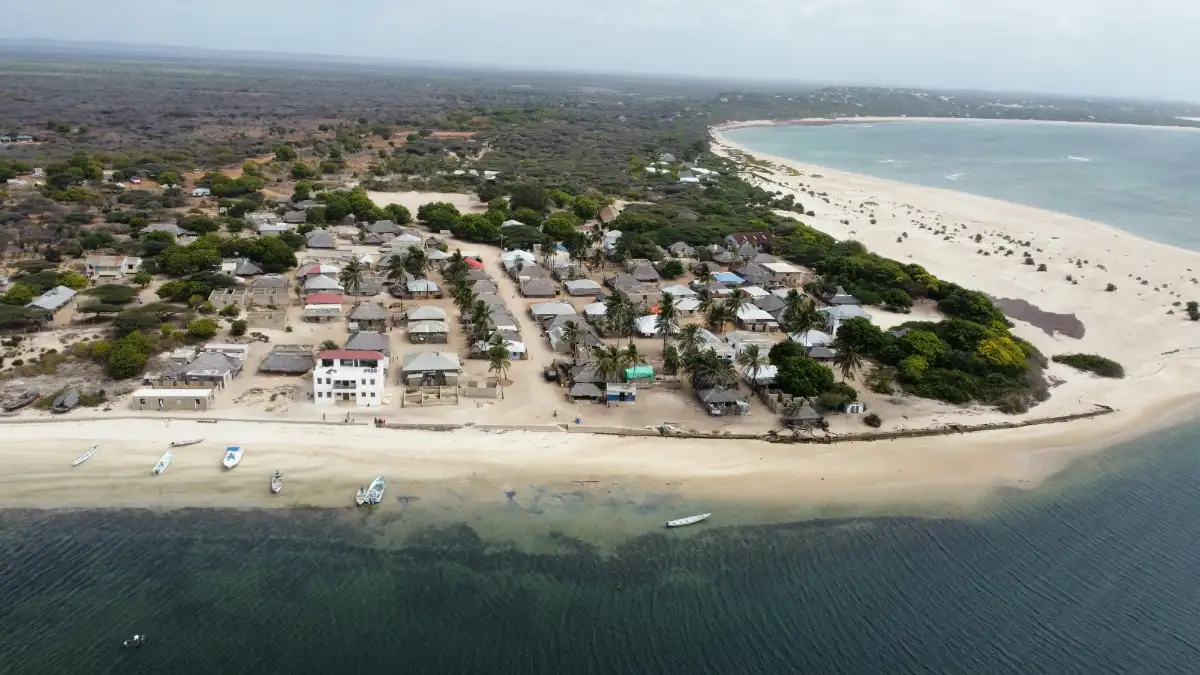
Lamu arrives differently from most destinations. The speedboat from the mainland airport deposits you at the harbour wall of a town whose rooftops rise in a compact, coral stone geography behind the dhow moorings and the waterfront coffee houses, and the first thing you notice is not what you see but what you do not hear. There are no cars. There are no motorcycles. There are no engines of any kind except the occasional outboard on a water taxi crossing the channel. The town is navigated by foot and by donkey and the sound of the midday call to prayer from the Riyadha Mosque, one of the most important Islamic shrines in East Africa, arrives over the rooftops and across the water with a clarity that the traffic noise of most coastal towns would bury.
The fifteen best things to do in Lamu, Kenya for a travelling couple are not activities in the conventional tourist sense. They are encounters with a place that has been accumulating cultural depth since the fourteenth century and that has survived the Omani sultanate, the Portuguese disruption, the colonial period, and the pressures of modern tourism without losing the essential quality of being entirely, unmistakably itself. Lamu Old Town is a UNESCO World Heritage Site. The Lamu Archipelago extends north to islands that most visitors never reach. The Swahili cuisine produced in the town's restaurants and home kitchens is among the most complex and most specifically coastal in East Africa. The dhow culture that built this town and sustained it for centuries is still operating daily in the channel, the boats built by hand in the same yards, sailed by the same families, navigating by the same winds that connected the East African coast to Arabia and Persia and India before Europe had any idea this coastline existed.
This guide is for the couple who comes to Lamu not to tick off a list but to spend five days inside a place of extraordinary specific character and to come home carrying something that cannot be packaged or photographed adequately: the feeling of having been somewhere that operates on its own terms, at its own pace, with the ocean and the history and the architecture and the food all working together to produce an experience that belongs to this specific archipelago and nowhere else.
The Lamu Experiences That Define the Island for Every Couple Who Visits
1. Getting Lost in Lamu Old Town — The First and Most Essential Activity
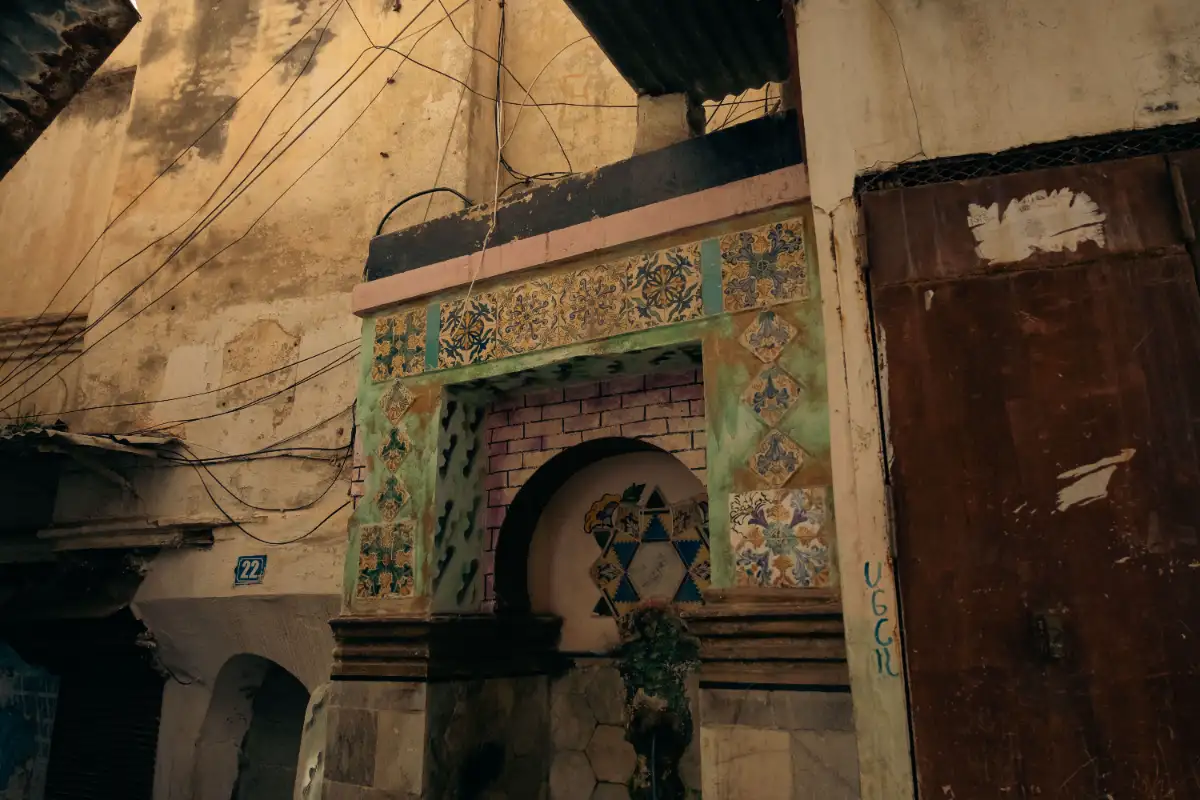
The single most important thing a couple can do in Lamu Old Town is walk into it without a plan and allow it to reveal itself at its own pace. The old town is approximately two square kilometres of narrow lanes, carved wooden doorways, inner courtyards visible through open doorways, mosques, small shops selling dried fish and coconut oil and fabrics in patterns that have been produced on the coast for centuries, coffee houses where old men sit over tiny cups of thick sweet coffee in the company of a conversation that appears to have been running since before you arrived and will continue after you leave.
The lanes of Lamu Old Town are not a grid. They are an organic accumulation of property boundaries, community divisions, and the specific way that people walked between their homes and the harbour and the mosque over several centuries of continuous habitation. Getting lost in them is not an inconvenience. It is the primary navigational strategy of the place, and the couple who surrenders the instinct to find the main street and instead follows a lane until it opens onto an unexpected courtyard, or turns a corner to find a craftsman working at a loom in a doorway, or discovers that what looked like a dead end is in fact a covered passage through to a completely different street, is the couple who finds Lamu rather than simply visiting it.
The Carved Wooden Doors — Reading the Town's Social History
Lamu's most photographed feature is its carved wooden doors, and the most commonly missed fact about them is that they are not decorative. Every carved door in Lamu Old Town is a text that communicates the religion, the origin, the wealth, and the social status of the household behind it to anyone who knows how to read the specific vocabulary of Swahili door carving. The Indian influence shows in the brass studs and the intricate geometric border patterns. The Arab influence shows in the calligraphic inscriptions. The size of the threshold communicates whether the household expected to receive visitors on camelback or on foot. A guide who can read these doors turns a beautiful old town walk into a social history lesson conducted in the most specific possible classroom.
2. A Sunset Dhow Sailing Cruise on the Lamu Channel
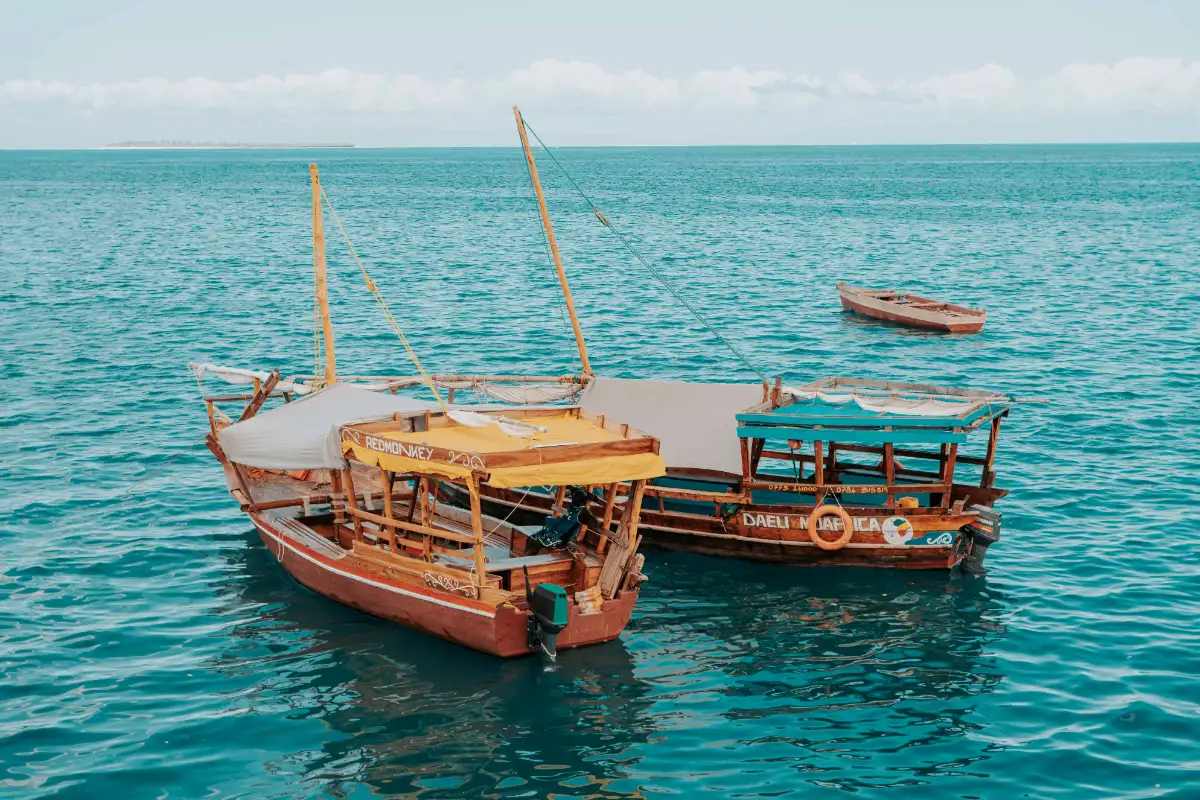
The traditional dhow, the hand built wooden sailing vessel that carried the Indian Ocean trade network for a thousand years, is still built and sailed on the Lamu channel today and a sunset dhow cruise for two is one of the most specifically romantic experiences available anywhere on the East African coast. The dhow moves by wind alone. There is no engine backup and no GPS navigation. The skipper reads the channel by the colour of the water and the direction of the wind and the position of landmarks on the shoreline that have been used for the same purpose by the same family's boats for five generations.
The specific quality of a Lamu channel sunset from the deck of a traditional dhow is the quality of the light as it crosses the water between the islands. The channel is approximately two kilometres wide at its narrowest point and the combination of the water colour, the mangrove shoreline of Manda Island to the east, and the Lamu Old Town waterfront to the west creates a sunset frame that requires no artistic improvement. Bring a warm layer for the return crossing after dark. Order a cold Tusker if the operator provides refreshments. And say nothing for the ten minutes when the light is exactly right. Some things are better received in silence.
3. The Lamu Food Experience — Swahili Coastal Cuisine at Its Most Specific
Lamu's food is one of the most underwritten subjects in East African travel writing and one of the most rewarding in practice. The Swahili coastal cuisine produced in Lamu's restaurants and home kitchens draws simultaneously on the Arab spice trade, the Indian textile merchant communities, the African agricultural traditions of the coastal interior, and the daily catch from the channel and the open Indian Ocean that arrives at the harbour before six every morning.
The pilau rice of Lamu, cooked in a broth of whole spices, is categorically different from pilau anywhere else in Kenya. The biryani served at the most respected old town restaurants uses a layering technique and a spice combination that reflects generations of specific local refinement rather than a generic South Asian template. The fresh seafood grilled over coconut shell charcoal at the harbour front stalls, served with tamarind sauce and freshly squeezed lime, is the freshest and most specifically placed food available in the archipelago.
A guided Lamu food walk with a local who knows which alley restaurant serves the most respected biryani, which harbour stall sells the best octopus, and which coffee house blends the local cardamom into their coffee in the proportion that the old families have always preferred is two hours of eating that produces more genuine understanding of the island's history and culture than any museum visit.
4. Shela Beach — The Most Beautiful Hour Before the Day Starts
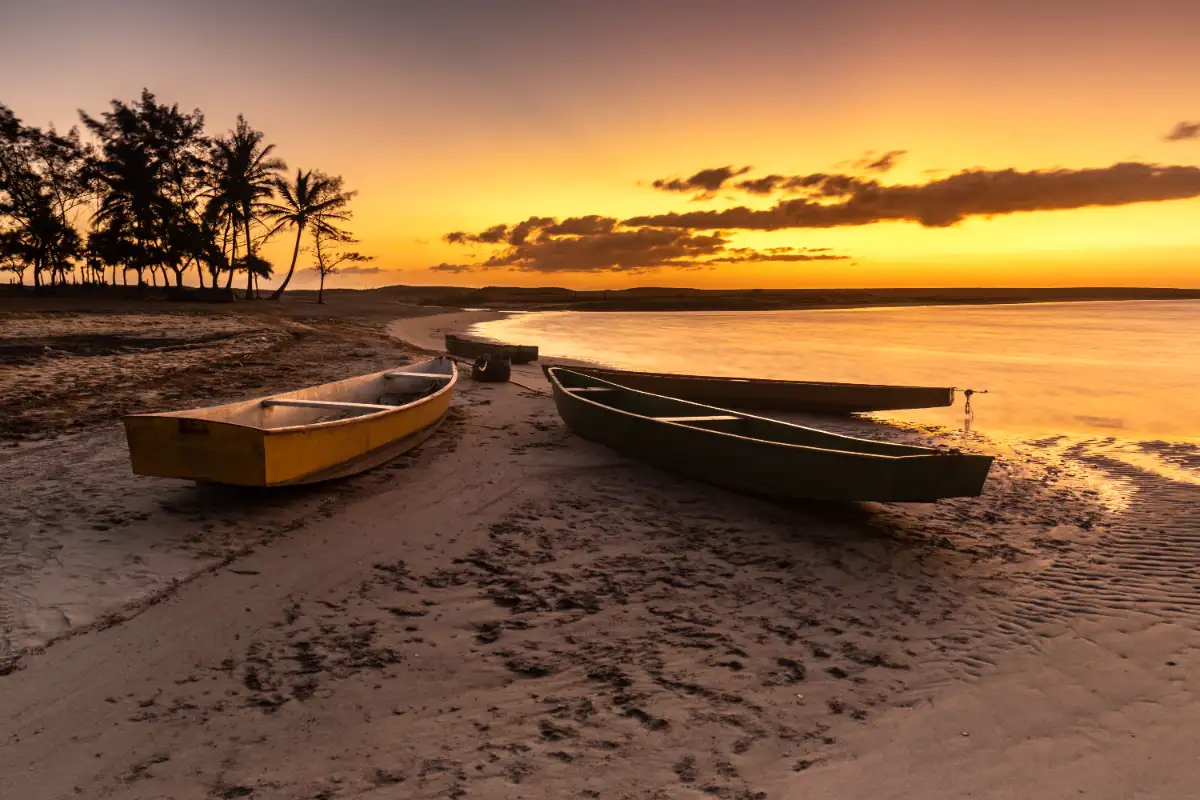
Shela Beach is three kilometres of white sand on the southern end of Lamu Island, separated from Lamu Old Town by a thirty minute walk along the waterfront or a five minute water taxi ride across the channel mouth. The beach faces the open Indian Ocean and the wind that comes off the water in the morning, before the day's heat builds, carries a quality of salt and energy that is specific to open ocean exposure.
The best version of Shela Beach for a couple is the early morning before eight when the beach is used primarily by local fishermen returning from the night's work and the light is coming from the east at the angle that turns the white sand gold and the water the precise shade of green that appears in the more ambitious travel photographs of the Kenyan coast but that most visitors encounter only in photographic form. Swim before the wind picks up. Walk the full three kilometres to the dune field at the southern end. Come back for breakfast at one of the Shela waterfront restaurants and eat it watching the channel traffic begin its morning business.
The Dunes at the Southern End of Shela
The sand dunes at the southern end of Shela Beach are one of the least visited and most specifically beautiful features of the Lamu Archipelago. The dunes form where the beach meets the channel mouth and the wind from the open ocean has deposited sand into formations up to fifteen metres high that shift position across the seasons. The view from the top of the dunes in the late afternoon, when the light is coming from the west and the entire southern horizon is open Indian Ocean, is one of those views that arrives in memory afterward with more specific colour than was apparent in the moment.
The Lamu Experiences Most Couples Never Discover
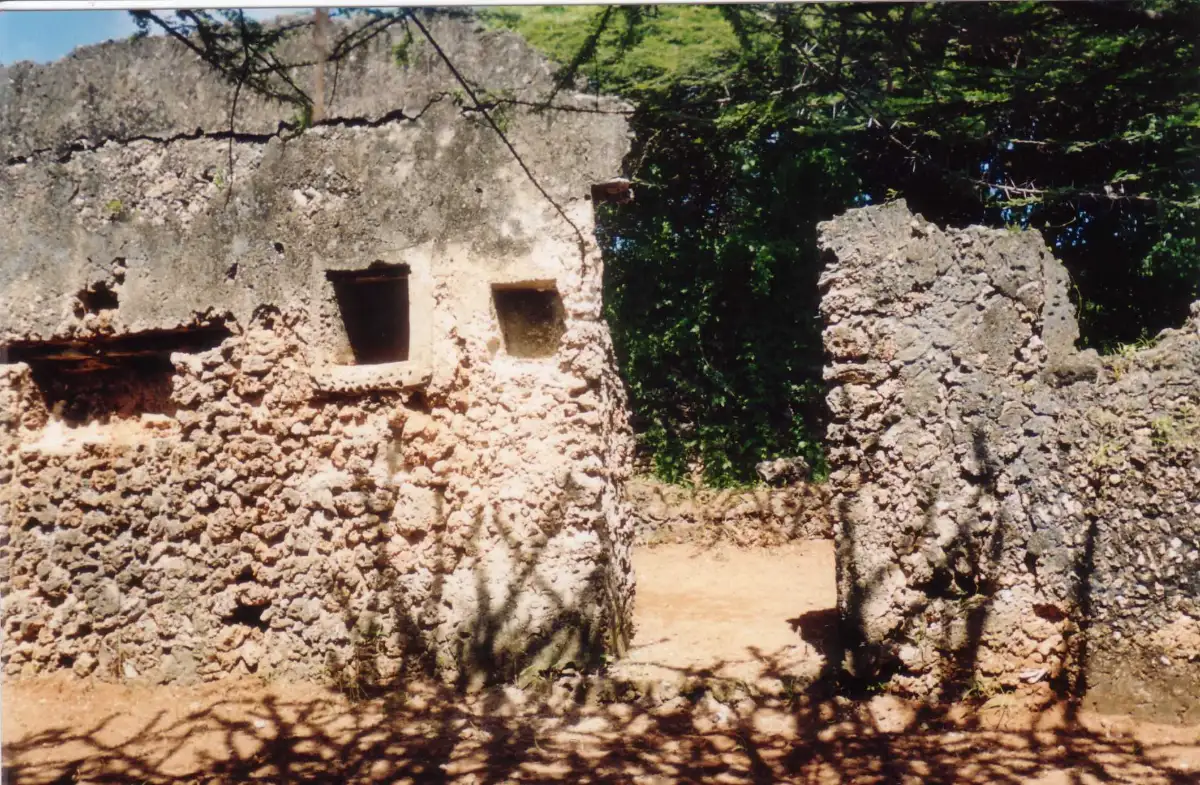
5. The Takwa Ruins on Manda Island — A Lost City in the Mangroves
Manda Island lies directly across the channel from Lamu Old Town, five minutes by water taxi and accessible to visitors throughout the day from the Lamu waterfront. The northern tip of Manda Island contains the ruins of Takwa, a Swahili trading town that was inhabited between the fifteenth and seventeenth centuries and abandoned suddenly and completely, possibly due to water shortage, possibly due to conflict, possibly due to a combination of both. The ruins are now partially reclaimed by the mangrove forest that has grown through and around the coral stone walls in the three hundred years since the last inhabitants left.
Walking the Takwa ruins with a guide who knows their specific history and archaeology is one of the most genuinely affecting experiences available in the Lamu Archipelago. The town is large enough to be clearly legible as an urban settlement: streets, wells, a mosque whose Friday mosque pillar is still standing to roof height, residential compounds whose doorways are of the same architectural tradition as the carved doors of Lamu Old Town a few kilometres across the water. The silence in the ruins is absolute except for the sound of the mangrove forest adjusting to the tide and the occasional call of a mangrove kingfisher from the trees above.
The juxtaposition of Lamu Old Town, a living Swahili settlement in continuous habitation, with Takwa, an abandoned one where the forest has been quietly dissolving the same architecture for three centuries, gives a couple the most compressed and most specific understanding of the Swahili civilisation that a day on the Lamu Archipelago can produce.
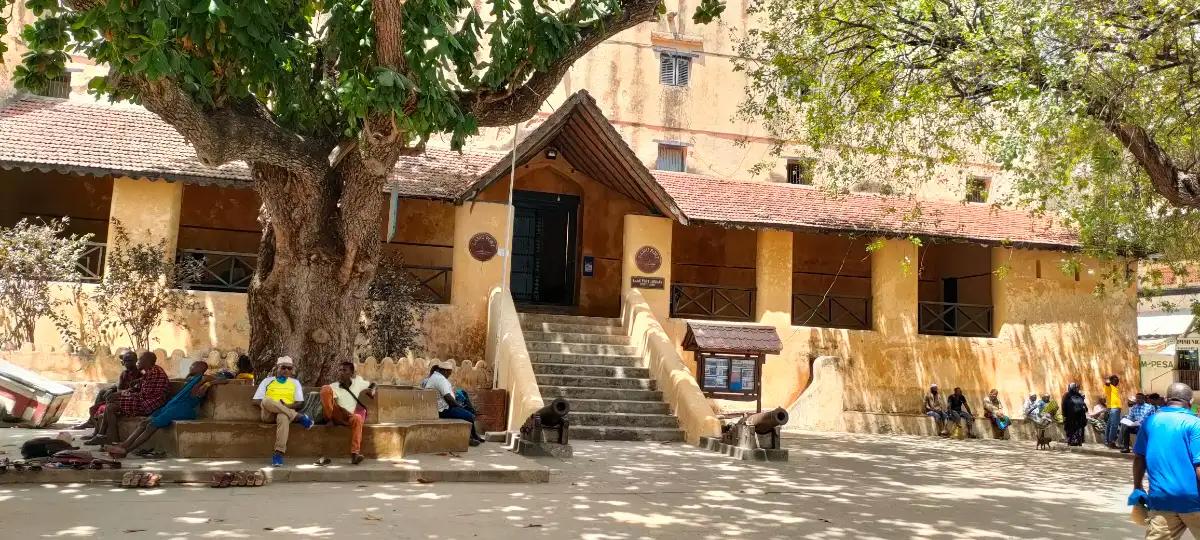
6. The Lamu Museum — The Town's Memory in a Single Building
The Lamu Museum on the waterfront occupies a former colonial administrative building and contains the most comprehensive collection of Swahili cultural artefacts in Kenya: traditional Swahili furniture including the intricately carved siwa chair that was used by Lamu's rulers during formal ceremonies, a collection of siwa horns, the ceremonial brass horns whose sound was historically used to announce the presence of the sultan at public occasions, traditional fishing equipment, navigational instruments used by Swahili seafarers before GPS and compass became the standard, and an archaeological collection documenting the earliest periods of the archipelago's settlement.
For a couple with an interest in cultural history, the Lamu Museum is not optional. It is the document that allows everything else in the old town, the architecture, the food, the dhow culture, the social organisation of the lanes, to be understood specifically rather than simply appreciated aesthetically. Allow at least ninety minutes. Pay attention to the navigational instruments section, which communicates more clearly than any description the degree to which the Swahili seafarers were operating an ocean going trade network of sophisticated complexity at a time when European maritime technology was still developing the tools to attempt the same routes.
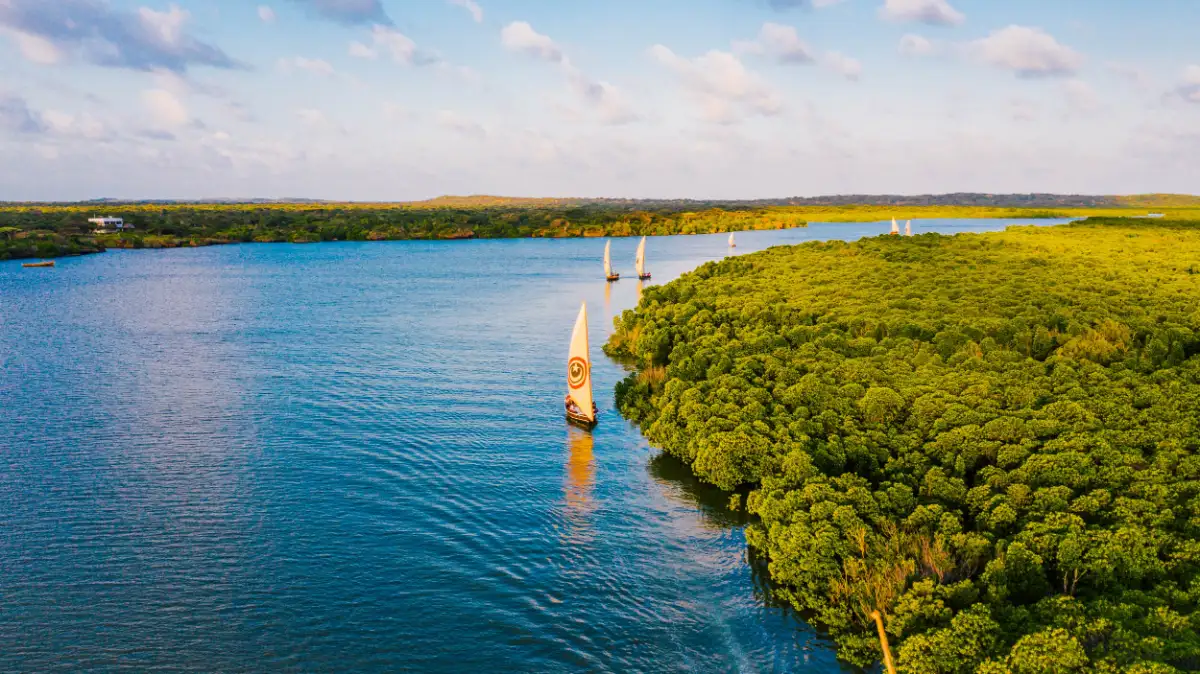
7. Pate Island — The Archipelago's Most Remote and Most Ancient Destination
Pate Island, north of Lamu in the outer archipelago, is the largest island in the Lamu group and the one that receives the fewest visitors. The journey from Lamu Old Town to Pate takes approximately two to three hours by motorised dhow depending on the tide and the wind, and this access challenge is both the reason most visitors do not go and the reason those who do go find it entirely unrepeatable.
Pate Town contains ruins of Swahili settlement that predate the Lamu Old Town buildings by several centuries and may represent the earliest significant urban settlement on the East African coast. The fishing community that inhabits the island has had minimal tourism infrastructure for decades and the experience of arriving at Pate, having the boat pulled up on the beach by the community who heard the engine approaching, and walking into a town that has not arranged itself for your arrival is the Lamu Archipelago experience at its most unmediated and most specifically honest.
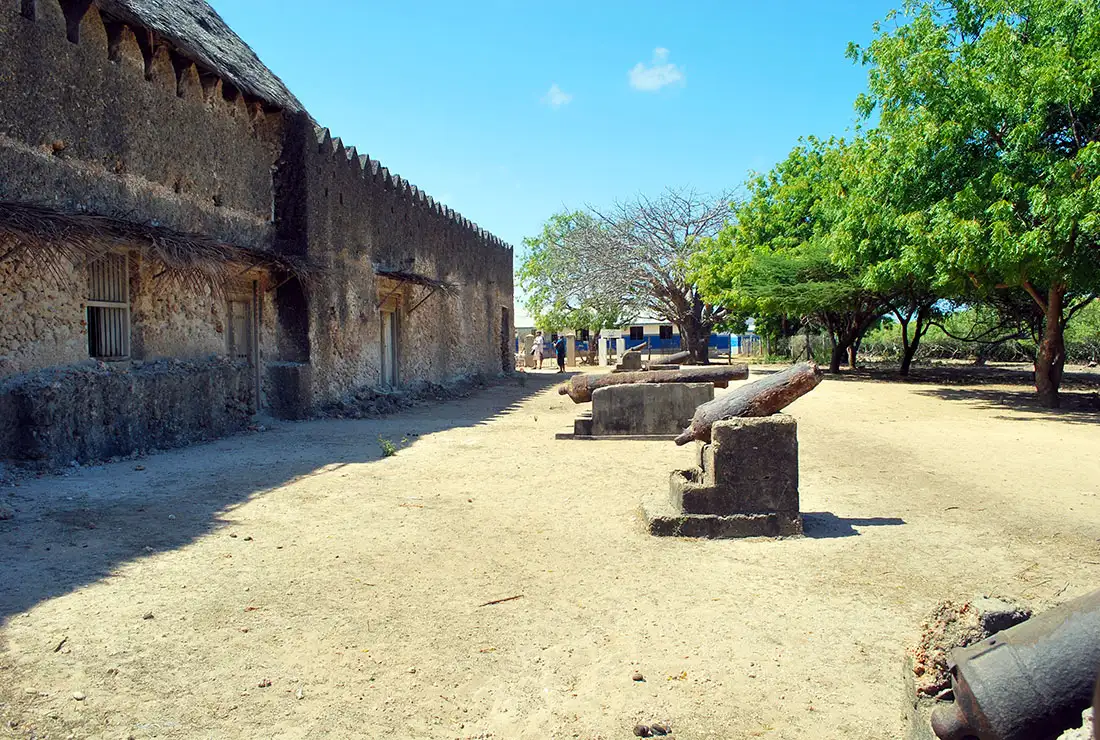
Siyu Fort — The Most Overlooked Historical Structure in Kenya
The Siyu Fort on Pate Island was built in the nineteenth century and was the site of one of the last armed resistances to colonial rule on the East African coast. The fort still stands largely intact and is accessible on a walk from the Siyu fishing village. The combination of the fort's history, the surrounding traditional buildings, and the mangrove landscape that connects Siyu to the tidal channels of the outer archipelago makes this the single most historically layered site in the Lamu Archipelago and the one that most visitors to Kenya never reach.
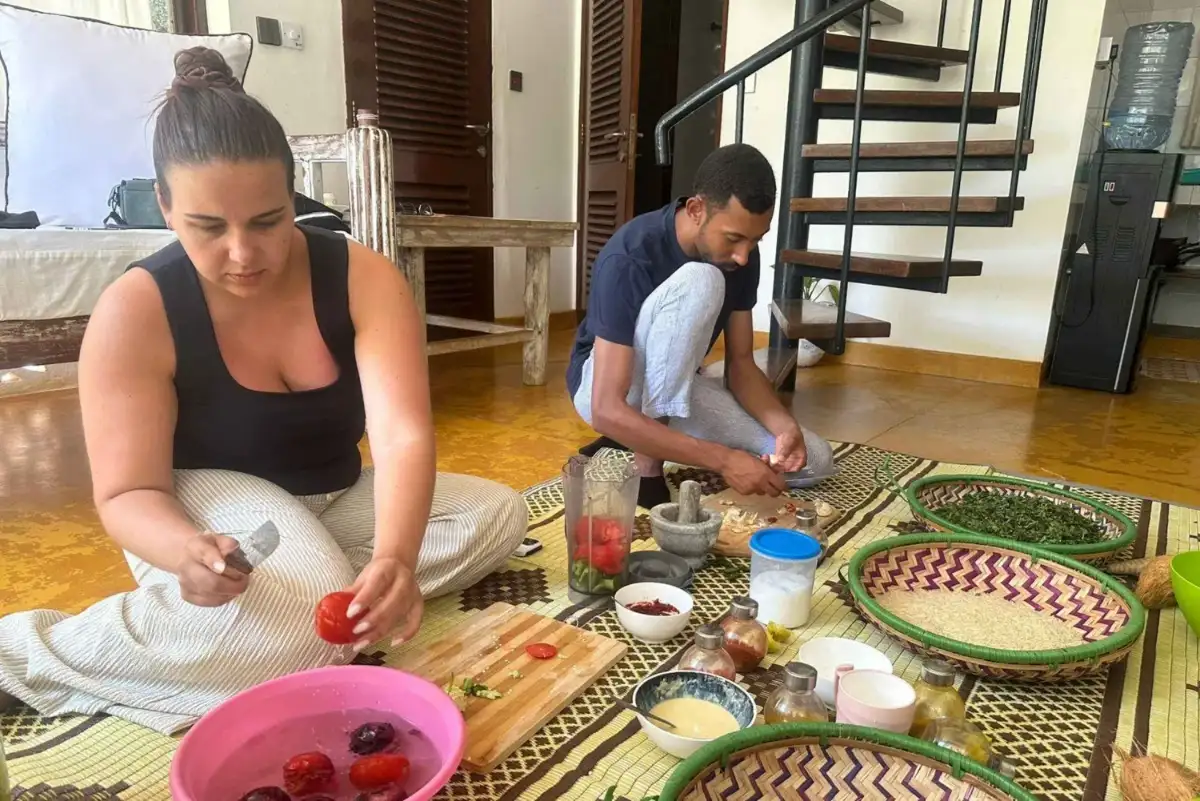
8. A Swahili Cooking Class in a Lamu Home Kitchen
The most intimate version of the Lamu food education is not a restaurant dinner or a market walk but a morning spent in the kitchen of a local family learning the specific techniques of Swahili coastal cooking from someone who was taught them by her mother who was taught them by hers. Several Lamu families and women's cooperatives offer morning cooking classes for visiting couples that cover the preparation of pilau, biryani, coconut fish curry, the specific spice pastes that underpin coastal Swahili cooking, and the cassava and plantain preparations that form the starch vocabulary of the local kitchen.
The cooking class format in Lamu is different from the structured tourism product version available in more visited destinations. It begins in the Lamu market at six thirty in the morning when the fish are still arriving from the night's work and the spice stalls are opening with the day's fresh stock. The teacher knows the fish seller and the spice merchant and the coconut oil producer and the interaction between them in the market is itself a piece of cultural education about how the town's food economy operates at its most local and most specific level. The meal produced at the end of the morning is eaten together at the family's table, which is the best possible conclusion to any food experience available in the archipelago.
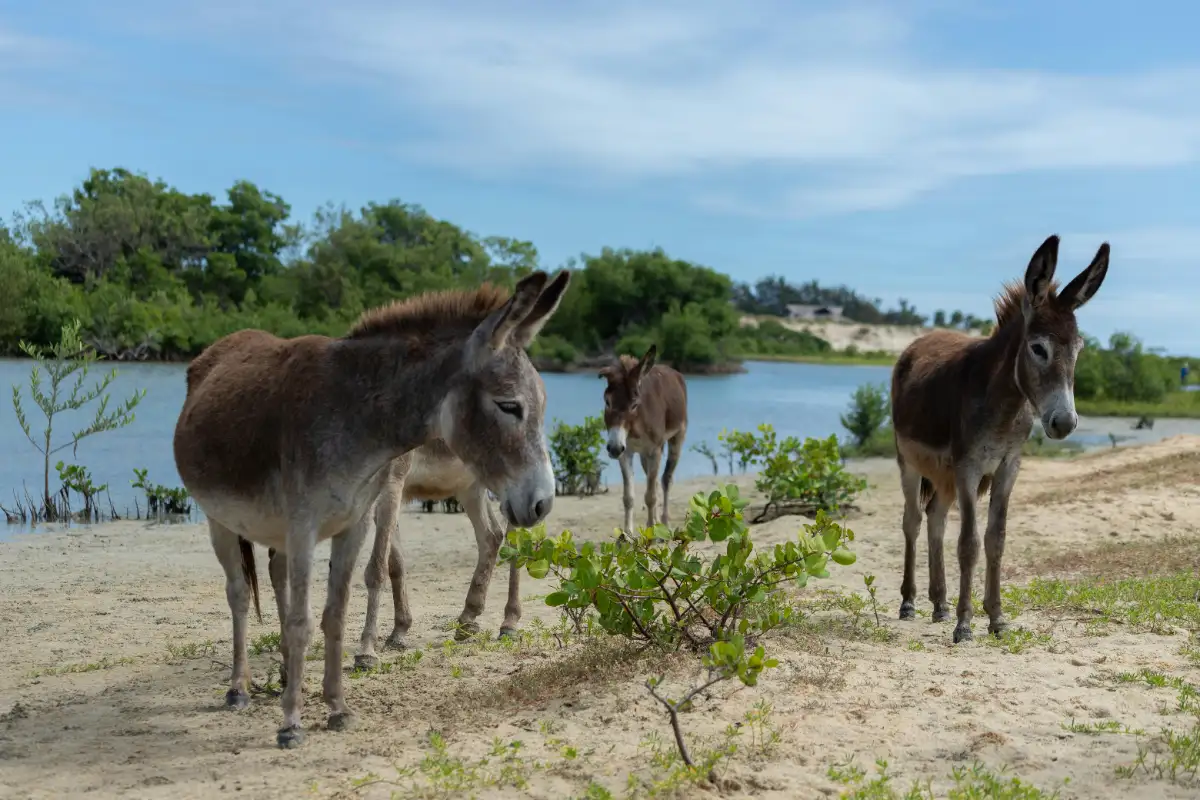
9. Donkey Watching and the Animals That Run the Town
This entry requires no booking and no guide. It is simply the instruction to pay attention to the donkeys of Lamu, which are not incidental local colour but the primary operational transport infrastructure of an island with no motor vehicles, and which move through the lanes of the old town on a schedule of deliveries, collections, and social visits that has not fundamentally changed in several centuries.
The Lamu donkeys carry water, building materials, food supplies, furniture, and every other category of goods that the town requires. They navigate the lanes with a combination of trained route knowledge and individual personality that makes them among the most characterful working animals in Africa. The Lamu Donkey Sanctuary, operated by a local welfare organisation that provides veterinary care for the island's working donkey population, is open to visitors and offers one of the more unexpectedly moving half hour experiences available in the archipelago, not because donkeys are objectively moving but because the combination of their specific role in this specific town and the care being applied to their welfare by a small community organisation produces the particular quality of unexpectedly touching that characterises the best small cultural encounters in genuine travel.

10. Kayaking Through the Mangrove Channels
The mangrove forest that lines the channels between Lamu Island, Manda Island, and the outer islands of the archipelago is one of the most biodiverse and most atmospherically specific environments available to a visiting couple and it is accessible only by kayak or small non motorised boat at the scale that reveals its full quality. The channels narrow to three to four metres in places, the root systems of the mangrove trees forming walls on both sides that create a cathedral quality of enclosed space and filtered light. The water inside the channels is often mirror still, the surface reflecting the root formations and the sky above in an optical doubling that makes the kayak feel as though it is moving through a tunnel of inverted trees.
The birdlife of the Lamu mangroves is extraordinary and specific: the mangrove kingfisher, which exists in the Indian Ocean mangrove ecosystem and nowhere else, is vivid turquoise and can be seen perching on exposed roots at close range. Crab plovers, a specifically coastal species that breeds nowhere in Kenya except the tidal zones of the Lamu Archipelago, move through the mud flats at low tide. A morning kayaking the inner channels with a guide who knows the tide schedule and the specific routes that produce the most productive wildlife and photography conditions is among the most physically refreshing and most visually rewarding experiences the archipelago offers.
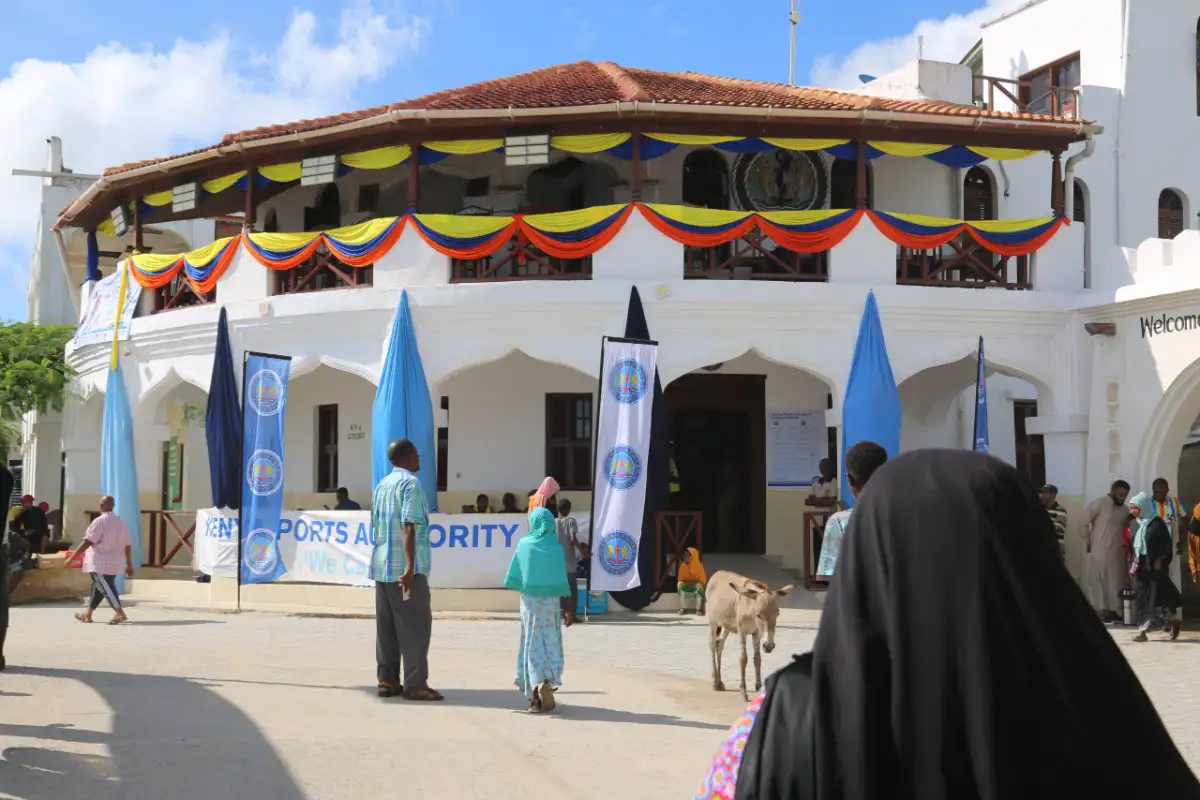
11. The Riyadha Mosque and the Maulidi Festival — Lamu's Most Important Cultural Calendar Event
The Riyadha Mosque in the Langoni quarter of Lamu Old Town is not simply a local place of worship. It is one of the most significant Islamic shrines in East Africa, founded in 1900 by the scholar Habib Swaleh and a centre of Islamic scholarship and Sufi devotional practice that draws pilgrims from across Kenya, Tanzania, Somalia, and the wider East African Swahili world. The annual Maulidi festival celebrating the Prophet Muhammad's birthday, which falls in the Islamic calendar's third month, attracts between thirty and forty thousand visitors to Lamu in a week of prayer, music, procession, and communal celebration that transforms the town's ordinary daily rhythm into something completely different.
For a couple visiting Lamu during the Maulidi period, the experience of the town during the festival is extraordinary but requires specific cultural sensitivity. The festival is a religious event of genuine significance for the Muslim community that participates in it and it should be approached by visiting couples with the respectful curiosity that any guest brings to a sacred celebration to which they have been graciously admitted. Dress appropriately, follow the guidance of your local host on where visitors are welcome to observe and where they are not, and understand that the music, the prayer, and the procession are not performed for the benefit of tourists but are the community's own practice conducted in the presence of visitors who are welcome to observe with appropriate respect.
12. Watching the Dhow Building in the Lamu Yards
The dhow building yards of Lamu, located on the waterfront south of the main harbour at the edge of the old town, are among the last places in East Africa where traditional hand built wooden dhows are still constructed using the same techniques and the same tools that produced the vessels which sailed the Indian Ocean trade routes for centuries. The master craftsmen who build these boats work without blueprints, shaping the wooden ribs and planking by eye and by the generational knowledge passed from father to son in the same family workshops.
A couple who spends an hour at the boatyard watching a dhow in construction, asking questions through their guide or through the craftsmen's own conversational English, leaves with an understanding of the material intelligence of the Swahili maritime tradition that no museum exhibit produces in the same way. The specific smell of the treated wood, the sound of the adze shaping a plank, the visual logic of a hull taking shape from flat timber without a single drawn measurement: this is craft knowledge of extraordinary antiquity operating in a form that is under genuine pressure from cheaper fibreglass alternatives and whose survival over the next generation is not certain.
The Economic Argument for Buying a Lamu Dhow Model
Every visitor to Lamu encounters the small scale dhow models sold in the waterfront shops and the old town market stalls. These are not generic tourist trinkets. The best of them are made in the same boatyards that produce the full size vessels, to the same proportions and with the same rigging logic, by craftsmen who understand every structural component of what they are building in miniature. Buying a model dhow from a boatyard craftsman rather than a market stall means that the money goes to the family whose knowledge the model represents and that the object you bring home is a genuine example of the craft rather than a mass produced approximation.
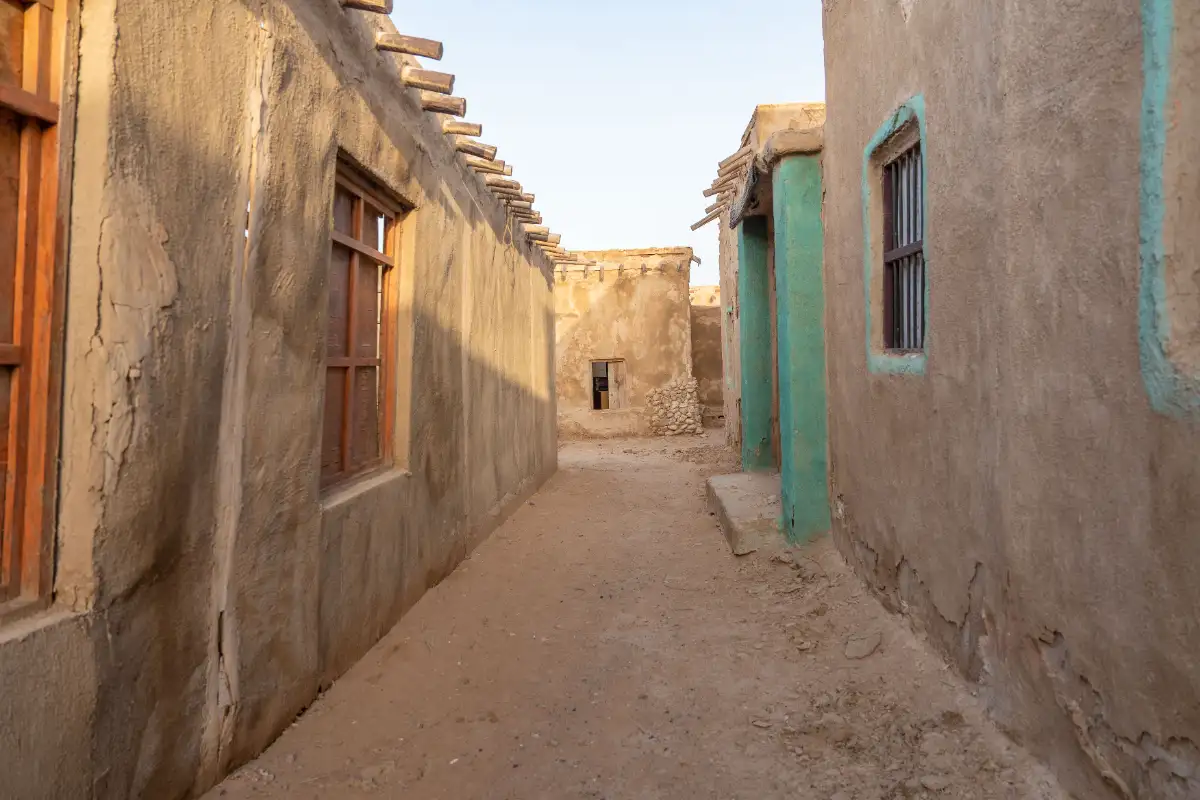
13. The Lamu House Tour — Inside the Architecture of a Living Culture
Several of Lamu's old town families open their traditional Swahili houses to visitors through arranged tours, and this experience offers the most specific access to the interior domestic architecture of the old town that a couple can have without being invited to someone's home through personal connection. The interior of a traditional Lamu house follows a specific spatial logic: the entrance corridor, called the daka, screens the inner courtyard from the street and is used for receiving less intimate visitors. The courtyard, open to the sky and often planted with a single tree or a tub of jasmine, is the organisational centre of the household. The upper floors have sleeping rooms with built in plaster niches for lamps, carved plaster friezes, and the specific quality of cross ventilation that the Swahili coastal house design achieves without any mechanical assistance.
The house tour is most rewarding when led by a member of the family who lives in or grew up in the house, who can explain the specific history of which merchant or scholar ancestor built it, which architectural features were added in which generation, and what the house was used for during the various periods of Lamu's history when the town's commercial importance was at its different peaks.

14. Snorkelling at Manda Toto Island — The Coral Garden That Most Visitors Skip
Manda Toto, a small uninhabited island to the north of Manda Island, is surrounded by one of the most productive and least visited coral reef systems in the Lamu Archipelago. The reef is accessible by a thirty minute boat journey from Lamu Old Town and supports a fish diversity, coral formation variety, and water clarity that the more famous reef sites further south on the Kenyan coast, specifically those around Malindi and Watamu, have lost partly through the pressure of larger scale tourism activity.
A morning snorkelling at Manda Toto with a guide who knows the specific reef formations and the tidal timing that produces the best underwater visibility is one of the most physically exhilarating experiences available to a couple in the archipelago. The water temperature in the channel and around the outer islands is warm throughout the year and the marine life, including various species of grouper, parrotfish, and the occasional sea turtle that patrols the outer reef edge, rewards the couple willing to spend two hours in the water rather than thirty minutes before returning to the boat.
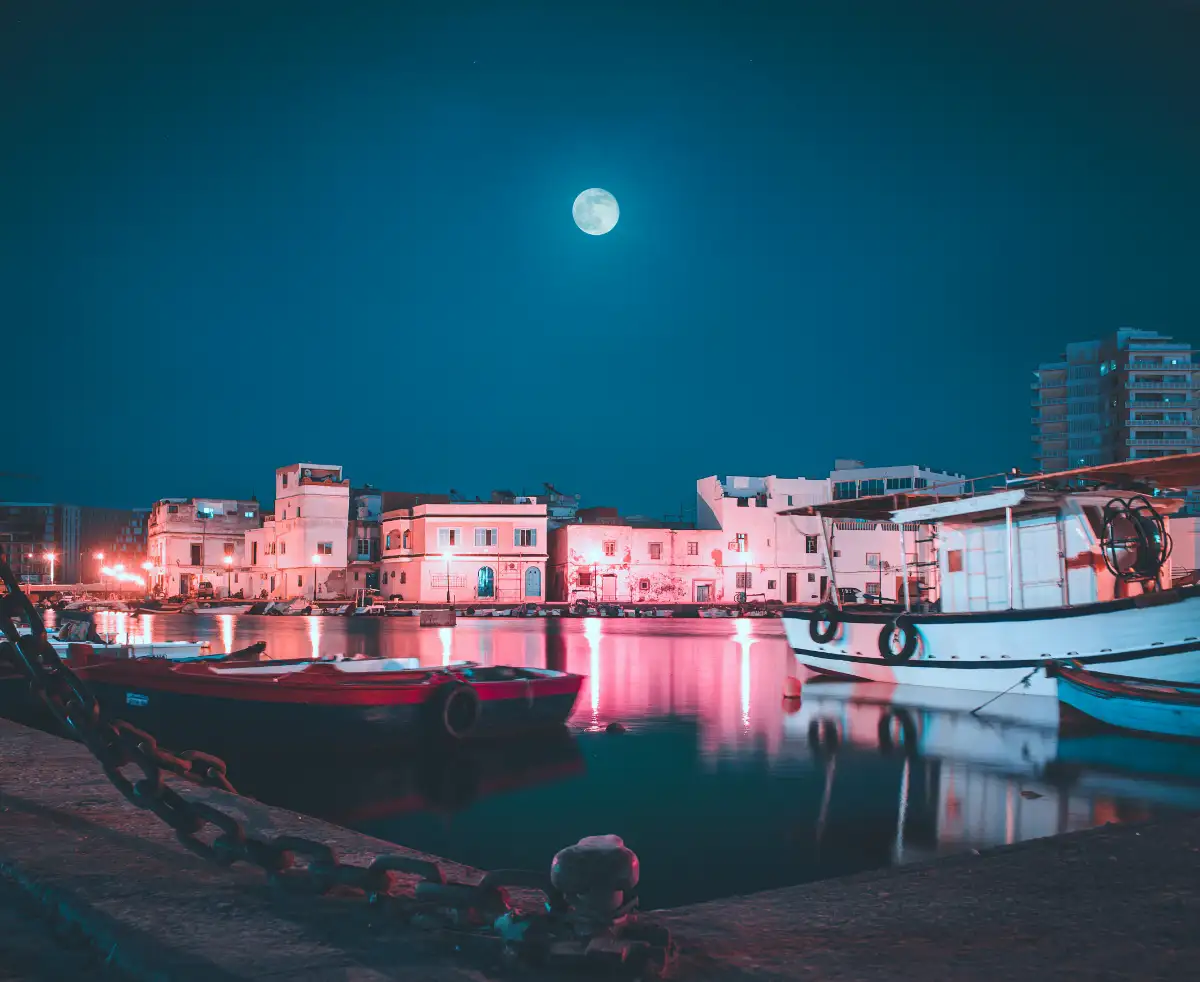
15. A Full Moon Night at the Lamu Waterfront
This last entry on the list requires no booking, no guide, and no expenditure beyond a cold drink from a waterfront coffee house. On the night of the full moon, the Lamu waterfront, the harbour wall, the dhow moorings, and the channel between Lamu and Manda Island are lit by a quality of lunar light that the town's stone architecture and the channel's reflective surface amplify into something that requires no supplementary explanation or context.
The Lamu waterfront at full moon is used by the town's residents as a communal outdoor living room: families sitting on the harbour wall, young men playing bao at low stone tables, the coffee house tables overflowing onto the pavement, the occasional dhow moving in the channel with no running lights except the moon on its sail. For a couple at the end of their Lamu visit, sitting on the harbour wall at the full moon and watching the town live out an evening in its own company, is the most honest and most complete version of what Lamu actually is: a place that has been itself for a very long time and intends to continue.
Everything a Couple Needs to Know Before Visiting Lamu
How to Get to Lamu
Lamu is accessible by scheduled daily flights from Wilson Airport in Nairobi to Manda Airport, the airstrip on Manda Island directly across the channel from Lamu Old Town. The flight takes approximately ninety minutes. From the Manda airstrip, a motorised water taxi takes five minutes to cross the channel to the Lamu waterfront. There are no wheeled vehicles at the Lamu town side of this crossing. Your luggage will be carried from the boat to your accommodation by a porter on a wooden trolley if the lanes are wide enough or on a porter's head if they are not, both of which are standard Lamu logistics and not a cause for concern.
Safarilink, Airlink, and Fly540 operate scheduled services between Nairobi Wilson and Manda Airport. Book in advance during peak season periods and around the Maulidi festival when the island fills rapidly with both domestic and international visitors.
The Best Time to Visit Lamu
The northeast monsoon season from October through March is the best period for visiting Lamu. The weather is dry and warm with consistent wind from the northeast that makes dhow sailing reliably pleasant and the beach afternoons comfortable without the oppressive heat of the windless periods. The southeast kaskazi monsoon from April through September brings heat and humidity and occasional rough conditions in the channel that limit the outer island boat trips, though the town itself remains beautiful and functional in all weather. The Maulidi festival, whose specific date shifts annually with the Islamic calendar, is the most culturally significant period to visit but requires advance planning as accommodation books out months ahead.
Cultural Respect in Lamu
Lamu is a deeply Islamic community and visitors are expected to behave with cultural sensitivity throughout their stay. Dress modestly in the old town and in all public areas away from the beach: shoulders and knees covered for both men and women. Alcohol is available at the hotels and some restaurants but should not be consumed publicly in the streets or near the mosques. Photography of people should always be preceded by a request for permission and the response respected. During Ramadan, eating and drinking in public during daylight hours is inappropriate and should be avoided out of respect for the community's observance.
Safety in Lamu
Lamu Island and the old town are consistently rated as among the safest destinations on the Kenyan coast. The island's pedestrian only culture means that the standard concerns around road safety that apply in most Kenyan destinations are entirely absent. The channel crossing is in all normal conditions safe, well managed, and operated by experienced water taxi skippers. Visitors should follow standard common sense precautions around valuables in crowded public spaces and should seek current advice from their accommodation on any specific considerations at the time of their visit.
Book Your Lamu Experience Through Plan My Experiences
Why Lamu Specifically Rewards the Couple Who Books With Local Knowledge
Every destination in this guide is more rewarding with local knowledge than without it. Lamu is specifically the destination where this is most true. The old town is a labyrinth. The outer islands require local navigation knowledge and local boat contacts. The family whose house is open to tours is known to certain guides and not visible to visitors consulting a map application. The dhow captain who sails by wind rather than motor and knows the Lamu channel the way most people know their own neighbourhood is findable through local community connection and not through a global booking platform.
Plan My Experiences is the premier African travel marketplace connecting travelling couples directly with the most knowledgeable, community embedded, and personally invested local operators and guides working in Lamu and across the Kenyan coast. Every experience listed on the platform reflects genuine local expertise and genuine community benefit: the food tour guide who grew up in Lamu Old Town, the dhow skipper whose family has been sailing this channel for three generations, the guide who knows the Takwa ruins as well as any archaeologist and communicates them more personally, the cooking class host whose biryani has been made to the same recipe since her grandmother taught it to her mother.
How to Find and Book Lamu Experiences Through Plan My Experiences
Visit the Plan My Experiences website and search for Lamu or Kenya coast. The platform surfaces a curated selection of experiences across all fifteen categories covered in this guide: old town walking tours, sunset dhow cruises, food walks and cooking classes, outer island boat trips to Takwa and Pate Island, snorkelling excursions, kayaking in the mangroves, house tours, and personalised full day Lamu itineraries built around your specific interests and pace as a couple. Every listing includes transparent pricing, verified reviews from couples who completed the experience through the platform, and direct communication tools that allow you to ask the local operator specific questions before committing.
For Lamu Tour Operators, Guides, and Experience Providers
If you lead old town tours, dhow sailing experiences, cooking classes, outer island excursions, snorkelling trips, kayaking tours, house visits, or any other visitor experience in Lamu or the wider Lamu Archipelago, Plan My Experiences gives you direct access to a global audience of travelling couples who are specifically choosing Lamu for the depth of experience it offers and who are prepared to book through a platform that prioritises local expertise and community benefit.
Listing your experience on Plan My Experiences is completely free. You set your own pricing, manage your own availability, and present your experience in your own voice. The platform charges a fair commission only on confirmed bookings. Revenue stays in Lamu, with the families and cooperatives and individual guides whose generational knowledge of this extraordinary archipelago is the reason these fifteen experiences are worth having.
Lamu Gives Itself Fully to the Couple Who Arrives Ready to Receive It
The fifteen best things to do in Lamu for a couple are not a checklist to be completed in order. They are a menu of ways into a place whose depth is available only to the visitor who is willing to slow down enough to let it arrive. Get lost in the lanes. Sit on the harbour wall at dusk and watch the channel. Eat the biryani. Take the boat to Takwa and walk the ruins in the afternoon light when the mangroves are throwing long shadows across the coral stone walls. Ask the dhow builder what kind of wood he is shaping and why that species rather than another.
Lamu is not a destination that rewards urgency. It rewards the couple who books five nights rather than three, who walks the beach at dawn before the wind picks up, who has the second coffee at the same waterfront coffee house on the third morning and recognises the man at the next table from the first morning and nods at him and receives a nod in return that contains the specific warmth of a community acknowledging that you have been here long enough to be slightly known.
That is the best thing to do in Lamu. Everything else on this list is the path that gets you there.
Book your Lamu experience through Plan My Experiences. Find your guide. Give the archipelago the time it deserves. And come home knowing a place that most people have heard of and almost nobody has actually been to.