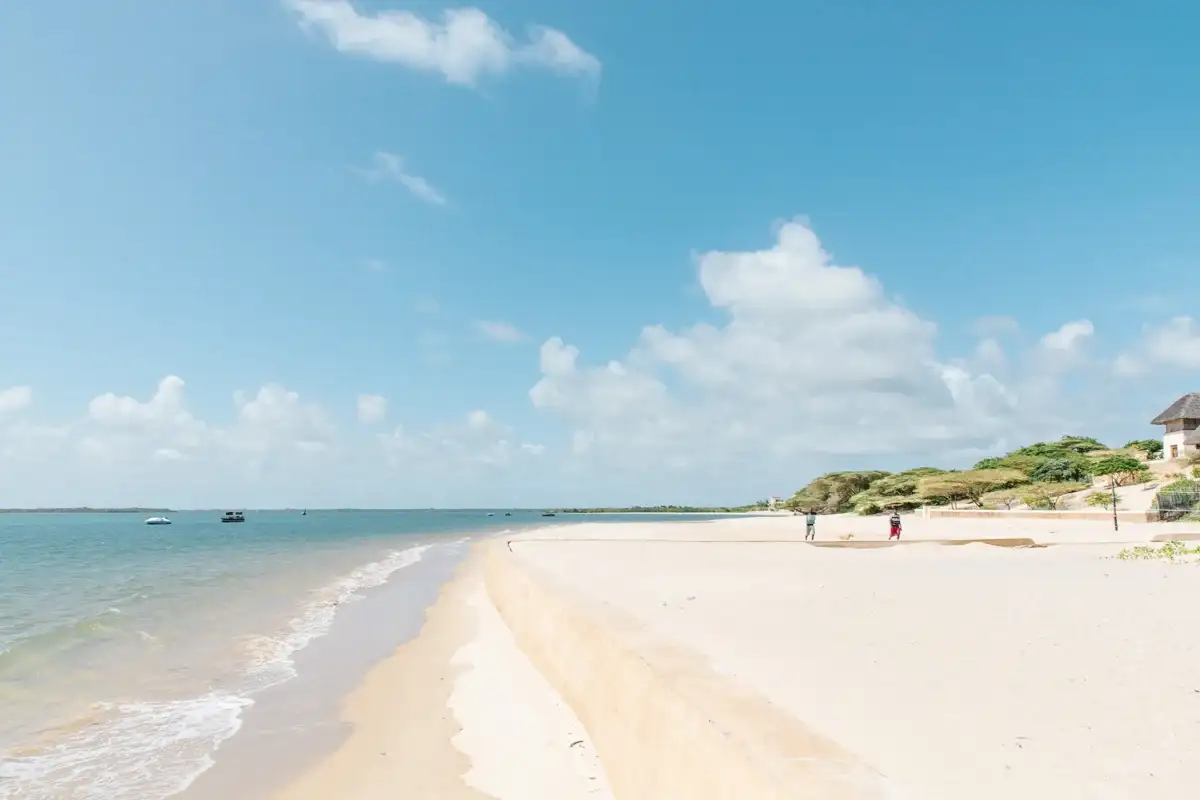
The question of whether Lamu is worth visiting arrives on travel forums and in conversation with a regularity that suggests a genuine collective uncertainty about this island. It is not the uncertainty that surrounds a destination with mixed reviews. Lamu's reviews are almost uniformly positive among people who have actually been. The uncertainty is more specific than that: a first time traveller stands at the booking stage and looks at a destination with no roads, limited nightlife, no international hotel brands, and a price tag for getting there that is disproportionate to its modest size, and asks a reasonable question. Is this place worth the effort, the cost, and the adjustment of expectation that getting there requires?
Is Lamu worth visiting? The answer this guide gives is yes, with specificity. Yes for the first time traveller who wants to experience a living Swahili culture in one of the oldest continuously inhabited settlements in East Africa. Yes for the couple looking for a coastal destination that has not been smoothed flat by resort tourism. Yes for the curious traveller who wants to understand what the East African coast actually is, historically and culturally, rather than what the beach holiday industry has decided it should look like. Not yes, or at least not primarily, for the traveller whose core requirement is a beach resort with a swim up bar, predictable daily activities, and the reassurance of an internationally recognised hotel brand.
This guide covers everything a first time traveller to Lamu needs to know: what the island actually looks like in practice, what it costs, how you get there, whether it is safe, what you will and will not find, and how it compares to the better known East African coastal alternatives. It is honest rather than promotional because a traveller who goes to Lamu with accurate expectations comes home delighted. A traveller who goes with the wrong expectations comes home disappointed by something that was never going to give them what they were looking for.
What Lamu Actually Is — Setting Honest Expectations Before You Book
A UNESCO World Heritage Town With No Cars and One Internet Speed
Lamu Old Town is a UNESCO World Heritage Site and the oldest continuously inhabited settlement on the East African coast. The town was built and rebuilt over approximately a thousand years by Omani Arab merchants, Persian traders, Indian textile dealers, and the indigenous Swahili community whose synthesis of these cultural influences produced a distinctive urban architecture, a specific food tradition, a craft vocabulary, and a social organisation that has no precise equivalent anywhere else in the world.
There are no cars in Lamu Old Town. The island has one road, which connects the main town to the airport ferry point and the village of Shela a few kilometres south, but the town itself is pedestrian only. Transport within the town is by foot, by donkey, or by motorised water taxi across the channel to the neighbouring islands. This is not a charming quirk for travel photographs. It is the town's actual operating system and it has been for several centuries.
The internet connectivity in Lamu is functional but not fast by the standards of a traveller accustomed to urban infrastructure. Most hotels and guesthouses offer WiFi that works adequately for messaging and basic browsing but inconsistently for video calls or streaming. This is worth knowing in advance not as a deterrent but as a preparation for the specific kind of digital disconnection that Lamu produces, which most visitors describe afterward as one of its most significant and most unexpectedly welcome qualities.
What Kind of Traveller Lamu Is For
Lamu works best for the traveller who is interested in history, culture, architecture, food, and the specific quality of a place that has been doing the same things for a thousand years and has not substantially changed its mind about them. It works for the couple who wants a coastal destination with genuine character rather than resort infrastructure. It works for the solo traveller who is comfortable in a Muslim cultural environment and willing to engage respectfully with the specific social norms that apply on the island. It works for the experienced Africa traveller who has done the safaris and the cities and wants the coast to add a different cultural register to their understanding of the continent.
It works less well for the traveller who needs structured daily activities and entertainment to feel satisfied. It works less well for the traveller who is distressed by heat, narrow lanes, and limited vehicular transport. It works less well for the traveller who wants to drink freely in public, dance at a beach club, or dress without consideration for the local cultural context. None of these are criticisms of the traveller. They are honest assessments of the match between what Lamu offers and what different travellers require.
What Makes Lamu Genuinely Worth the Journey
The Old Town — A Living Museum That Is Also Just a Town
The most immediate and most sustained answer to the question of whether Lamu is worth visiting is its old town, which is both the reason most people come and the experience that most people describe as having exceeded their expectations by the widest margin.
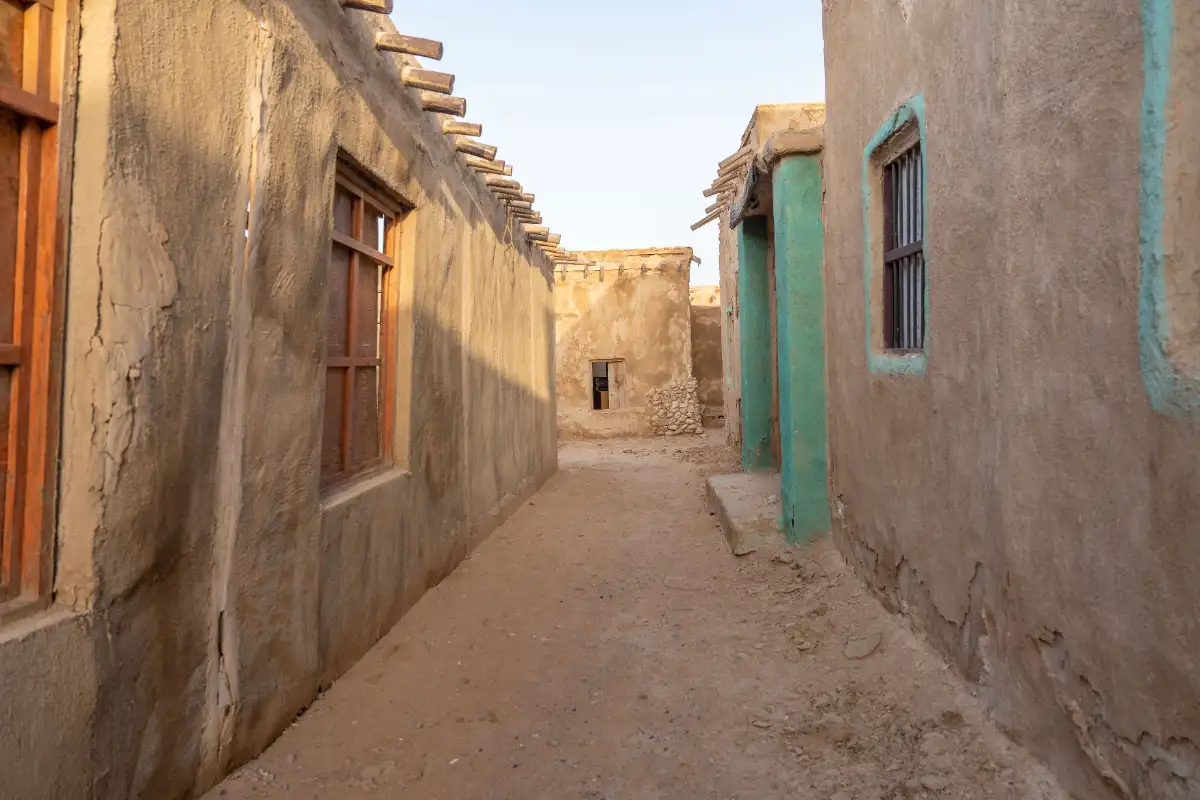
Walking into Lamu Old Town for the first time is a specific kind of spatial displacement. The lanes are narrow enough that two people cannot walk side by side in many of them. The walls on both sides are coral stone, thick and cool, the architecture pressing in at angles that produce a quality of shade and enclosure that is the opposite of the open beach aesthetic most coastal destinations default to. Every twenty metres or so a carved wooden door interrupts the wall: some ornate with brass studs and geometric carving, some plain and practical, all of them telling the story of the household behind them in a visual language that the town developed over centuries.
The first time traveller who walks without a plan into the back lanes of Lamu Old Town on their first afternoon, who turns a corner to find a group of schoolchildren in blue and white uniforms navigating the same lane in the opposite direction, who follows the sound of a radio playing Taarab music through a doorway to a coffee house where three old men are playing bao at a low table, is having a Lamu experience that no brochure photograph and no amount of prior research can fully replicate. It simply has to be walked.
The Specific Things That Make the Old Town Irreplaceable
What makes Lamu Old Town genuinely irreplaceable rather than merely atmospheric is its continuity. The buildings are not a preservation project or a tourist reconstruction. They are the actual homes and businesses and mosques of a community that has been living in them continuously for several hundred years. The social structure of the town, the specific hierarchy of the lanes, the relationship between the harbour and the market and the mosque quarter, is still operating in the way it was designed. This quality of living rather than preserved historical space is vanishingly rare in the world and it is Lamu's most specific and most valuable characteristic.
The Swahili Food Culture — The Honest Reason to Stay Five Days Instead of Three
Most first time visitors to Lamu book three nights because three nights feels like enough for a small island. Most of them extend to five. The single most common explanation for the extension, from Lamu visitors reflecting on their trip afterward, is the food.
The Swahili coastal cuisine produced in Lamu's restaurants and home kitchens is one of the least known and most genuinely rewarding food cultures in Africa. The pilau rice, cooked for hours in a broth of whole spices including cumin, cardamom, black pepper, cinnamon, and clove until the rice has absorbed the broth completely and each grain carries the full complexity of the spice combination, is unlike pilau anywhere else in Kenya. The biryani, which reflects the town's deep Indian Ocean trade connections in every layer of its preparation, is produced in Lamu's best restaurants with a care and a specificity that most urban restaurants with far greater resources do not match.
The fresh seafood is the operational argument for why Lamu's food is as good as it is. The dhow fishermen who work the channel and the outer reefs land their catch at the Lamu waterfront before six every morning and the restaurants and home kitchens that buy from them are working with fish that was alive four hours ago. The octopus grilled on coconut shell charcoal at the harbour front stalls. The crab cooked in coconut milk and chilli. The lobster that appears on restaurant menus at prices that a first time traveller, used to lobster pricing in resort destinations, will initially assume is a typo before realising it is the actual price in a place where the lobster was in the water this morning.
Shela Beach — The Counterpoint to the Old Town's Urban Intensity
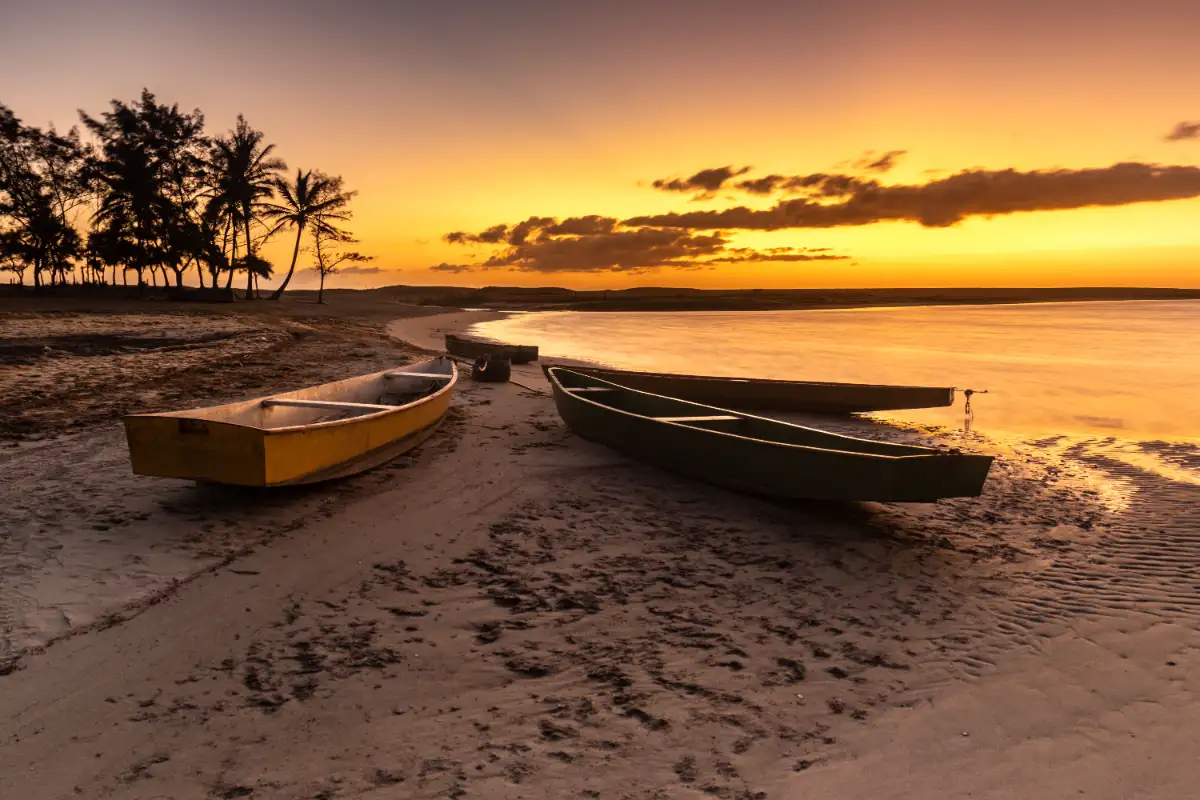
After two days in the compressed, lane filled, intensely human world of Lamu Old Town, Shela Beach is the exhale. The beach at Shela, three kilometres of white sand on the channel side of the island's southern end, is accessed by a thirty minute waterfront walk from the old town or a five minute water taxi crossing and it is, particularly in the early morning before the wind picks up, as beautiful a beach as the Kenyan coast produces.
For the first time traveller who arrives in Lamu uncertain whether they want a cultural immersion or a beach holiday, Shela is the answer: you can have both, on the same island, separated by fifteen minutes of walking. The old town and the beach are not competing versions of Lamu. They are complementary dimensions of the same specific place and the day that begins with a morning walk through the old town lanes and ends with an afternoon on the Shela sand watching the Indian Ocean light change over the channel is a complete and deeply satisfying day in the way that most tourist itineraries rarely manage.
What First Time Visitors Almost Always Miss
The Outer Archipelago — The Islands That Most First Timers Never Reach
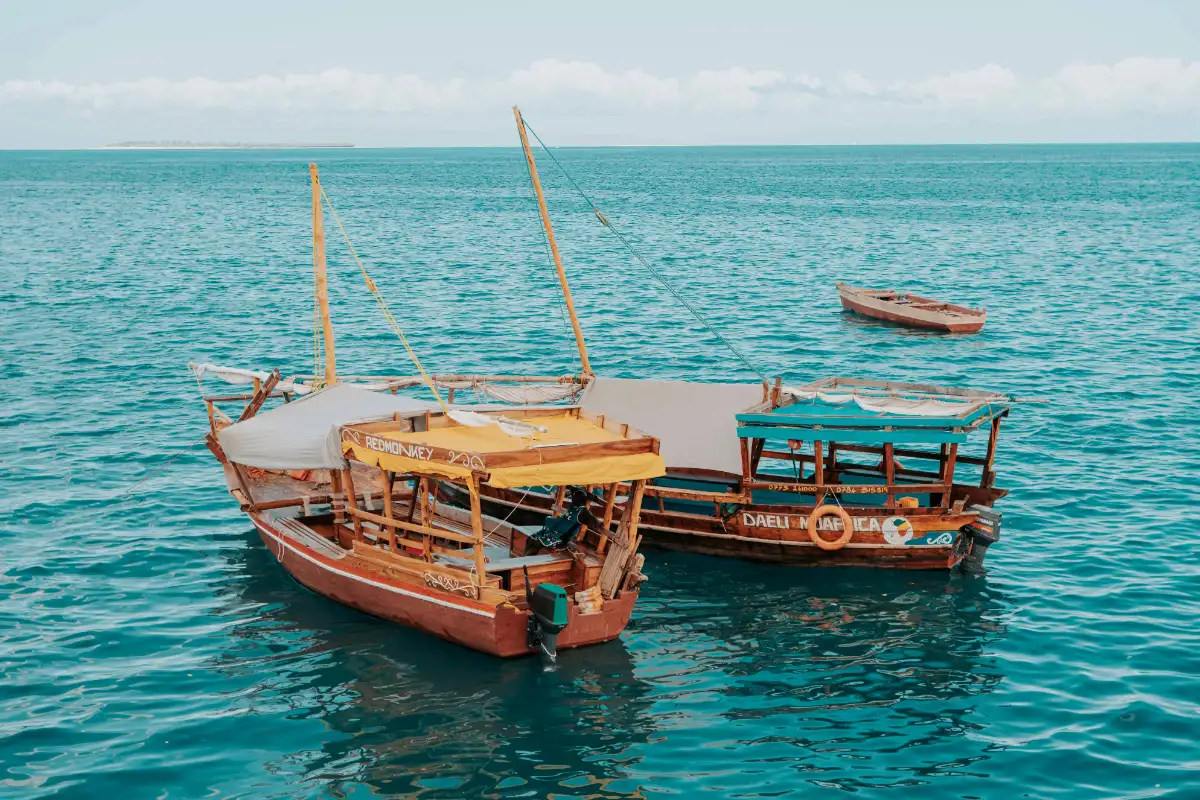
Lamu Island is the most visited point in an archipelago that extends north through Manda Island, Pate Island, and a series of smaller uninhabited islands and sandbars that the majority of first time visitors never see. The outer archipelago is accessible by motorised dhow from the Lamu waterfront and the boat journeys to the outer islands, through channels lined with mangrove forest and open stretches of turquoise water, are among the most atmospheric experiences available in the wider destination.
Manda Island, five minutes across the channel, contains the Takwa ruins, a complete Swahili town abandoned in the seventeenth century and now partially reclaimed by the mangrove forest that has grown through its coral stone walls. A morning at Takwa, walking through streets and mosque and residential compounds that have been silent for three hundred years, is the most specific historical experience available in the Lamu Archipelago and one of the most genuinely moving in coastal Kenya.
Pate Island, two to three hours north by motorised dhow, is rarely visited and entirely unmissable for the first time traveller with enough time and enough curiosity to make the journey. The Siyu Fort, a nineteenth century coastal fortification that was one of the last armed resistances to colonial rule on the East African coast, stands largely intact in a landscape that has changed almost nothing since it was built. The fishing communities of Pate Island have had minimal tourist infrastructure for decades and the experience of arriving by boat to a community that greets visitors with warmth and without the commercial performance that tourism infrastructure tends to produce is the most specific and most honest version of the Lamu Archipelago experience available.
The Donkey Sanctuary and the Town's Operational Infrastructure
Every first time visitor to Lamu notices the donkeys immediately. They are unavoidable: carrying water, building materials, furniture, food supplies, and every other category of goods that the town requires through lanes too narrow for any wheeled vehicle. What most first time visitors do not initially understand is that the donkeys are not picturesque local colour. They are the town's actual logistics network and the Lamu Donkey Sanctuary, operated by a local welfare organisation that provides veterinary care for the island's three thousand working animals, is an institution that reflects the town's genuine dependence on these animals in a way that most tourist attractions do not produce.
Spending thirty minutes at the sanctuary is not a priority activity for most first time visitors and becomes a recommendation that most visitors who do visit it pass on to others with a slightly surprised enthusiasm: the combination of the sanctuary's genuine community welfare function, the individual character of the animals themselves, and the specific quality of an institution doing difficult work in a remote location with limited resources produces the kind of unexpectedly affecting experience that travel occasionally generates in the most unlikely settings.
Is Lamu Safe for First Time Visitors?
The Honest Safety Assessment
The question of whether Lamu is safe for tourists is one of the most frequently searched questions about the island and deserves a direct and honest answer rather than a diplomatic one.
Lamu Island and Lamu Old Town are consistently rated as among the safest destinations on the Kenyan coast for visitors. The island's pedestrian environment eliminates the road safety concerns that apply in most Kenyan destinations. Petty crime targeting visitors does occur occasionally in crowded areas as it does in any tourist destination and the standard precautions of keeping valuables secure and being aware in public spaces apply equally here.
The broader Lamu County has experienced security incidents in the past decade related to the wider regional instability affecting Kenya's far northern border areas, and some international government travel advisories have historically included Lamu County under caution advisories that reflect these broader regional concerns rather than conditions specific to Lamu Island and the archipelago. First time visitors should check the current advisory from their country's foreign ministry before travelling and apply that guidance proportionally: the conditions on Lamu Island specifically are consistently described by residents and recent visitors as calm and safe for tourism.
What the Lamu Tourism Industry Does to Support Visitor Safety
The Lamu tourism community, which includes the hotels, guesthouses, tour operators, and local guides who derive their livelihoods from visitor arrivals, has a direct and specific interest in the safety and comfort of every traveller who comes to the island. The guides and operators who work with international visitors are the most reliable current source of safety information for Lamu specifically because they are present in the community daily and their advice reflects ground conditions rather than the broader regional assessments that inform international government advisories. Travel through a vetted operator who maintains current knowledge of the specific conditions on the island is the most practical safety measure available to a first time visitor.
How Much Does It Cost to Visit Lamu?
The Honest Budget Breakdown for a First Time Visitor
The total cost of a Lamu trip for a first time visitor is typically higher than the island's modest scale suggests, primarily because of the flight cost from Nairobi rather than the cost of accommodation and activities once you arrive.
The return flight from Nairobi Wilson Airport to Manda Airport with a scheduled operator currently costs approximately USD 180 to USD 280 per person depending on the airline, the booking date, and the season. This is the primary cost variable for most visitors and the reason that Lamu feels expensive relative to its size and its infrastructure.
Accommodation on Lamu covers a wide range. Budget guesthouses in the old town are available from approximately USD 40 to USD 80 per night for a double room. Mid range hotels and Swahili house guesthouses range from approximately USD 100 to USD 250 per night. The upper end boutique hotels in the Shela area range from approximately USD 300 to USD 800 per night.
Food costs in Lamu are modest by international standards. A full meal of pilau, grilled fish, and fresh juice at a local old town restaurant costs approximately USD 8 to USD 15 per person. The better restaurants with sea views and more elaborate menus charge approximately USD 20 to USD 40 per person for a main course. Activity costs including dhow trips, outer island excursions, and guided old town walks range from approximately USD 20 to USD 80 per person depending on the activity and the operator.
A realistic total daily budget for a couple staying in a mid range guesthouse, eating at local restaurants, and doing one guided or boat activity per day is approximately USD 150 to USD 250 per day excluding the cost of getting there.
Is Lamu Expensive Relative to What It Delivers?
The value question for Lamu is best answered by considering what the cost delivers rather than comparing the headline numbers to other beach destinations. A three night stay in Lamu at a mid range guesthouse with two outer island boat trips, two guided old town walks, and daily meals at local restaurants produces an experience of cultural depth, natural beauty, and genuine historical encounter that most beach resort destinations at equivalent total cost do not approach. The specific qualities that make Lamu worth visiting, its cultural authenticity, its architectural heritage, its food, its pace, and its specific character, are not replicable by spending more money elsewhere. They are specific to this island and available here at a price that, when measured against what they produce, represents genuine value.
Lamu vs Zanzibar — Which Should a First Time Visitor Choose?
The Honest Comparison
The comparison between Lamu and Zanzibar appears regularly in the conversations of first time East African coast travellers and it is worth addressing directly because the two destinations are often positioned as alternatives when they are in fact better understood as complements.
Zanzibar is larger, more developed, more internationally connected, and better served by resort infrastructure, beach club culture, and the full range of water sports activities that a beach holiday destination typically provides. Stone Town in Zanzibar is a UNESCO World Heritage Site with a Swahili architecture and history that shares significant characteristics with Lamu Old Town. The beaches on Zanzibar's eastern coast are among the finest in the Indian Ocean. The island receives significantly more annual visitors than Lamu and the tourism infrastructure reflects this volume with a depth of choice at every price point that Lamu cannot match.
Lamu is smaller, quieter, less developed, and more culturally intact. It has less resort infrastructure and less beach club culture. It has one genuinely beautiful beach rather than a coastline of them. It has better food, a more compressed and more walkable historical centre, and a quality of daily life that is more directly observable for the visitor who is interested in it. It receives fewer visitors and the experience of the old town, the outer islands, and the channel is correspondingly more intimate.
For the first time East African coast visitor choosing between the two, the decision should rest on one question: do you want a beach holiday with cultural interest, or a cultural experience with beach access? Zanzibar delivers the first more comprehensively. Lamu delivers the second more specifically.
H4: Why the Best Answer Is Both
The most rewarding version of a first time Kenya coast trip for a traveller with ten days available combines three nights in Lamu with four nights in Zanzibar or on the Kenyan southern coast at Diani Beach. This combination gives the traveller the cultural depth of Lamu, the resort amenities of a more developed coastal destination, and the specific contrast between the two that makes each one feel more itself in comparison with the other.
Everything a First Time Visitor Needs Before Arriving in Lamu
How to Get to Lamu
The only practical options for reaching Lamu are by scheduled light aircraft from Nairobi Wilson Airport to Manda Airport or by road to Mombasa and then by a combination of bus and ferry that takes approximately twelve hours and is not recommended for a first time visitor to the region with limited time available.
Scheduled flights operate daily between Nairobi Wilson and Manda Airport with Safarilink, Airlink, and Fly540. The flight takes approximately ninety minutes. From Manda Airport a motorised water taxi crosses the channel to Lamu Old Town in five minutes. Book flights in advance during peak season and around the Maulidi festival period. The water taxi from the airport to the town costs approximately USD 3 to USD 5 per person and the crossing is entirely safe in normal channel conditions.
How Long to Stay in Lamu
Three nights is the minimum that gives a first time visitor a genuine sense of the island. Four to five nights is the recommended duration for a first time visit that includes at least one outer island boat trip, time in the old town, time at Shela Beach, and the specific quality of the third or fourth morning when the island stops being a destination and starts being a place you are inhabiting. Seven nights is the duration that produces the specific feeling of reluctance at departure that most Lamu visitors describe as their final and most persuasive recommendation to anyone asking whether to go.
What to Pack and What to Wear in Lamu
Lamu is a predominantly Muslim community and visitors are expected to dress modestly in the old town and all public areas away from the beach. For women this means shoulders and knees covered when walking in the town. For men this means avoiding shirtless wandering through the lanes, which is a breach of local cultural norms rather than a legal infraction but a breach worth avoiding out of basic respect. Light, loose, natural fabric clothing that covers the relevant areas while managing the heat is the practical solution and the clothing that works for the old town also works for the boat trips and the outer island walks.
Bring comfortable closed shoes or sturdy sandals for the old town lanes, which are uneven coral stone and challenging for open toed or thin soled footwear. Bring sunscreen, insect repellent, and a reusable water bottle. Bring a small day bag rather than a large backpack as the lanes are narrow and a large backpack creates navigational difficulties in the more compressed parts of the town.
Currency and Payments in Lamu
The Kenyan shilling is the currency used throughout Lamu. US dollars are accepted at most hotels and some restaurants but at exchange rates that are less favourable than those available from the ATMs in Lamu Old Town, which currently dispenses Kenyan shillings reliably. Carry cash for market purchases, street food, water taxis, and small transactions where card payment is not available. Most mid range and upper end hotels and restaurants accept card payment, though occasionally with surcharges.
Book Your Lamu Experience Through Plan My Experiences
Why a First Time Lamu Visitor Specifically Benefits From Local Expert Guidance
The first time visitor to Lamu faces a specific challenge that more experienced travellers to the island have already resolved: the challenge of not knowing what they do not know. Lamu is not a destination that reveals itself immediately. The lanes of the old town look similar to each other on first encounter. The outer island trips require boat contacts and tide knowledge that a visitor without local connection does not have. The restaurants that are genuinely excellent are not always the ones most prominently positioned on the waterfront. The family whose house tells the most interesting architectural story is not accessible through a map application.
Plan My Experiences is the premier African travel marketplace connecting first time visitors to Lamu directly with the most knowledgeable, community embedded, and personally invested local guides and experience operators working on the island. Every operator listed on the platform has been vetted for local knowledge, community connection, and the quality of experience they deliver to visitors who are arriving in Lamu for the first time and need a guide who knows the island the way a resident knows a home town rather than the way a tour script knows a list of attractions.
What a First Time Visitor Can Book Through Plan My Experiences for Lamu
Visit the Plan My Experiences website and search for Lamu Kenya or Lamu Island experiences. The platform surfaces curated options across the full range of first time visitor priorities: guided old town walking tours with a resident historian, sunset dhow cruises on traditional sailing vessels, outer island excursions to Takwa ruins and Pate Island, morning food tours and Swahili cooking classes, snorkelling trips to the Manda Toto reef, kayaking in the mangrove channels, and full day personalised Lamu itineraries designed around the interests and pace of a couple or a solo first time visitor.
Every listing includes transparent pricing, full operator information, and verified reviews from previous visitors who completed the experience through the platform. You communicate directly with the local operator before booking, arrive in Lamu knowing exactly who you will be spending time with, and have the confidence of a vetted platform guarantee behind every booking you make.
For Lamu Tour Operators, Guides, and Guesthouse Owners
If you operate tours, guided walks, boat excursions, cooking classes, accommodation, or any other visitor experience in Lamu or the wider Lamu Archipelago, Plan My Experiences gives you direct access to an international audience of first time visitors who are specifically looking for the kind of local expertise and authentic community connection that only a platform built around genuine local knowledge can reliably surface.
Listing your experience on the platform is completely free. You set your own pricing, manage your own availability, and describe your offering in your own voice. Plan My Experiences charges a fair commission only on confirmed bookings. Revenue stays in Lamu, with the guides and families and small businesses whose knowledge of this extraordinary island is what makes the first time visitor's experience genuinely worth having.
Is Lamu Worth Visiting in 2026?
The Specific Answer for Different Types of First Time Travellers
For the first time traveller who wants a beach resort experience with consistent daily activities, access to nightlife, and the full infrastructure of international leisure tourism: Lamu is not the right destination and this guide would be doing that traveller a disservice by pretending otherwise. Zanzibar or the Kenyan southern coast at Diani Beach will deliver those requirements more completely.
For the first time traveller who wants to understand what the East African coast actually is: its history, its architecture, its food, its maritime culture, its specific quality of being a place where the Indian Ocean trade network of a thousand years ago is still visible in the town's doors and its spice combinations and the way its dhow builders shape a hull from memory: Lamu is not merely worth visiting. It is one of the most specifically irreplaceable destinations in Africa and the traveller who spends five days inside it and pays the quality of attention it deserves comes home with a version of the East African coast that no other destination currently accessible to tourism can produce.
The One Thing That Makes Lamu Worth Visiting for Almost Everyone
The strongest single argument for every first time traveller to visit Lamu is not the old town's architecture or the food or the beach or the outer islands, though all of these are genuinely exceptional. It is the pace.
Lamu operates at a human pace. Without cars, without escalators, without the ambient noise of motorised transport, without the specific anxiety that most modern cities produce simply by their operational infrastructure, the island creates conditions in which the first time visitor experiences something that is increasingly rare in contemporary travel: the feeling of actually being somewhere rather than passing through it at the speed of an itinerary.
The first time visitor who comes to Lamu and gives it four days comes home knowing a place. They know the alley that leads to the coffee house where the old men play bao. They know the water taxi driver who crosses the channel at six in the morning and whose family has been doing this crossing for two generations. They know the smell of the pilau arriving from the kitchen at noon and the sound of the call to prayer from the Riyadha Mosque at dusk and the specific quality of the moonlight on the Lamu channel at ten in the evening when the town has gone quiet and the water is doing the only thing it has ever done.
That knowledge is what a first time visit to Lamu produces. It is worth the flight cost, the narrow lanes, the limited nightlife, and every other friction that the destination puts between the visitor and the experience. It is, in the specific register that genuine travel is supposed to produce, entirely worth it.
Book your first Lamu visit through Plan My Experiences. Find your guide, book your dhow, and give this island the time it needs to show you what it actually is.