The matatu drops you at the Karura gate and the city noise folds away behind you like a jacket you did not know you were still wearing. The air is different immediately. Cooler, thicker, weighted with the smell of wet bark and something green and growing that has no business existing this close to a roundabout. The path ahead disappears into a canopy so complete that the light arriving through it has been filtered into something almost theatrical, a moving, dappled thing that turns the forest floor into a slow shifting mosaic.
Hiking in Karura Forest is one of those experiences that ordinary travellers to Nairobi either stumble on by accident and never stop talking about, or miss entirely because it does not appear on the standard city itinerary sitting between the Giraffe Centre and the Karen Blixen Museum. That is a genuine loss. Because Karura, at over one thousand and forty one hectares of indigenous forest pressed against the northern boundary of one of Africa's most intense cities, is not a pleasant green space for a weekend jog. It is a functioning wild ecosystem that has been recovering from decades of encroachment and illegal logging with quiet, determined success, and walking through it properly, on the right trails, at the right time, with the right level of attention, is an experience that reframes everything else you thought you knew about Nairobi.
This guide covers the iconic trails, the hidden corners, the practical details, and the local knowledge that makes the difference between a walk in the park and an afternoon that genuinely stays with you.
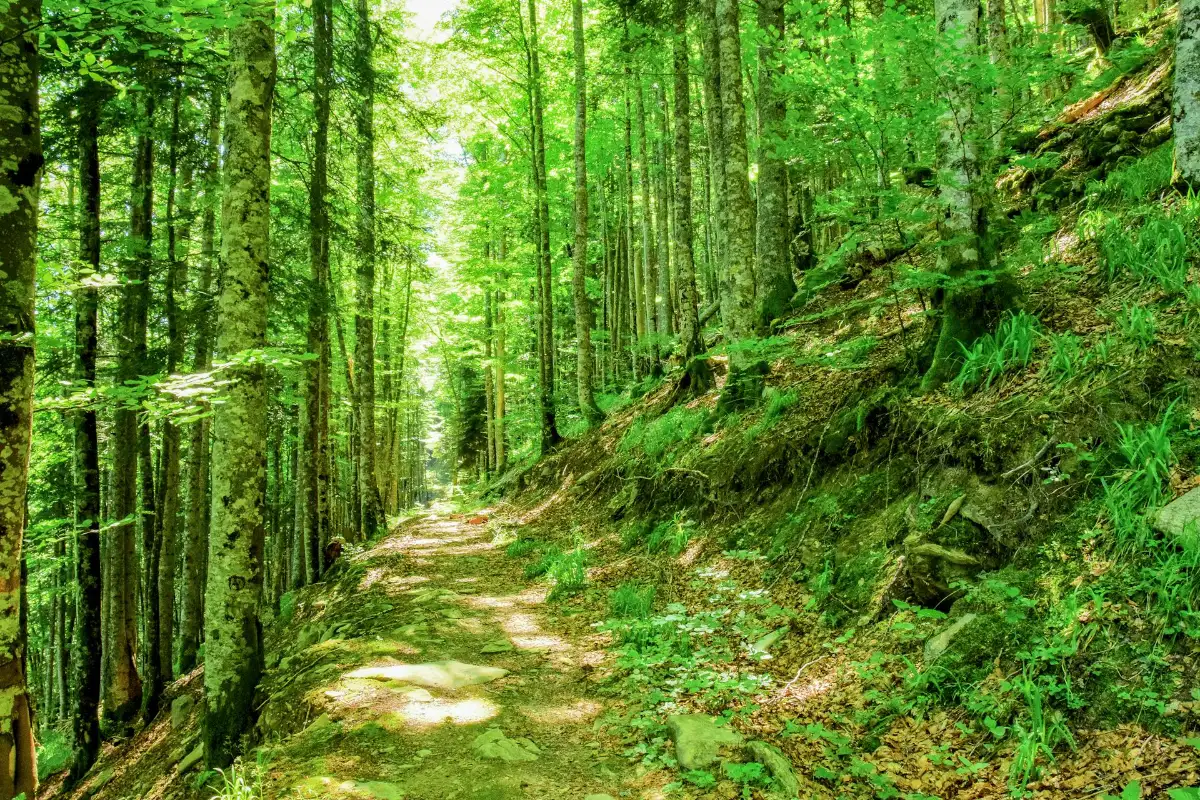
The Waterfall Trail and the Walk That Defines Karura
The Karura Waterfall — The Most Earned View in Nairobi
The waterfall trail is the route most visitors to Karura have heard of and the majority of those who complete it describe it as the single best hour they spent in Nairobi. The path to the waterfall runs approximately four kilometres from the main Karura gate, moving through a progressively denser section of indigenous forest where the trees grow tall enough to create a continuous overhead canopy and the undergrowth crowds in close on both sides of the path.
The waterfall itself drops into a clear pool fed by underground springs that originate somewhere in the higher ground to the north of the forest. It is not a Niagara. It is not dramatic in the way of a mountain cascade. It is something quieter and in some ways more affecting: a fall of water in the middle of a forest inside a city of five million people, landing in a pool where locals swim on warm weekend afternoons and the sound of the falling water completely covers any evidence that the outside world exists.
The Waterfall Trail — Time, Distance, and What to Bring
The round trip from the main gate to the waterfall and back runs approximately eight to ten kilometres depending on the specific route your guide or map takes you. Allow two to two and a half hours for a comfortable pace with stops. Bring two litres of water per person, a light snack, insect repellent containing DEET, and closed shoes with a sole that grips on damp earth. The path after rainfall can be slippery in sections, particularly on the descent toward the pool, and the confident footing of a decent walking shoe makes a measurable difference to your comfort and safety.
Colobus Monkeys — The Trail Companions Nobody Prepares For
The black and white colobus monkey is one of the most visually arresting primates in Africa. Adults carry long flowing white mantles of fur against their black bodies and move through the upper forest canopy with an acrobatic ease that seems to belong to an entirely different physics from the one operating at ground level. Karura is home to a healthy and growing colobus population, and on almost any morning hike along the waterfall trail you will hear them before you see them: a deep resonant roar that sounds nothing like what you would expect from an animal their size, used to communicate territory and location between family groups.
When a colobus family crosses the trail above you, the forest stops being a backdrop and becomes the main event. Watching four or five animals leap fifteen metres between canopy trees with complete indifference to the human audience below is a wildlife encounter that most visitors do not expect to have inside a city boundary and cannot stop describing afterward.
The Caves, the Cycling Trails, and the Corners of Karura Most Visitors Never Reach
The Mau Mau Caves — A Forest with Memory
Karura Forest is not simply an ecological resource. It is a historical one. During the Mau Mau uprising of the 1950s, Kenyan freedom fighters used the dense forest and its natural cave systems as shelter, hideouts, and meeting points during the armed resistance against British colonial rule. Several of these caves remain accessible within the forest and can be reached on foot from the main trail network.
A visit to the Mau Mau caves adds a dimension to a Karura hike that most trail guides do not emphasise enough. Standing inside the rock shelter where fighters hid and planned and waited in the dark, surrounded by the same forest they used as cover, places the landscape you are walking through in a historical context that changes its emotional register entirely. This is not just a forest. It is ground that has been contested, protected, and reclaimed, first by freedom fighters against a colonial administration and then by conservationists against developers who spent two decades trying to build on it.
The Story of the Karura Conservation Battle
The history of how Karura Forest survived into the twenty first century is as dramatic in its own way as the Mau Mau story it contains. In the late 1990s, sections of the forest were illegally allocated to private developers under circumstances that provoked public outrage and a fierce response from environmental activists including Nobel Peace Prize winner Wangari Maathai, whose Green Belt Movement led direct action protests inside the forest. The battle for Karura became a defining moment in Kenya's environmental movement and the forest that visitors walk through today exists in its current form partly because people were willing to be beaten by police batons at its gate rather than watch it disappear. Knowing that as you walk makes every tree more specific.
The Cycling Trails — A Completely Different Pace
Karura maintains a network of dedicated cycling trails that run alongside and through the walking paths, and renting a bicycle at the main gate is one of the best decisions an ordinary traveller can make on a visit to the forest. Cycling in Karura is not a high intensity sport. It is a way of covering more of the forest's one thousand plus hectares than is comfortably achievable on foot in a single visit, and of experiencing the canopy at a speed that feels genuinely integrated with the pace of the environment rather than imposed on it.
The cycling trail toward the northern section of the forest passes through some of the most undisturbed indigenous woodland in the park, where the tree species include African olive, cedar, and a range of fig varieties whose buttressed roots create formations at the path edge that look ancient enough to have been here when Nairobi itself was still a railway depot.
Everything an Ordinary Traveller Needs to Know Before Visiting Karura Forest
Entry Fees, Opening Hours, and How to Get There
Karura Forest is managed by the Kenya Forest Service in partnership with the Friends of Karura Forest, a community conservation body whose work is directly funded by visitor entry fees. The park is open daily from six in the morning to six in the evening. Entry fees are modest and represent some of the best value for money available anywhere in Nairobi's tourism landscape.
The forest has multiple entry gates. The main Karura gate off Limuru Road is the most accessible and most commonly used by first time visitors. The Kiambu Road gate in the north of the forest provides access to a quieter and less visited section. Both gates have facilities including toilets, a small cafe area, and bicycle hire.
Getting to Karura from central Nairobi is straightforward. A taxi or ride share application such as Uber or Bolt will bring you to the main gate in approximately fifteen to twenty minutes outside of rush hour. Matatus running along Limuru Road drop near the gate and are the most economical option for budget travellers comfortable with local transport.
What the Entry Fee Funds
The fee you pay at the Karura gate goes directly to the conservation and maintenance of the forest, including trail upkeep, security patrols, ranger salaries, and the ongoing restoration of degraded sections using indigenous tree species. It also funds the community education programmes that have made Karura one of the most visited and most genuinely supported urban forests in East Africa. This is not an entry fee in the passive sense. It is a contribution to a conservation project that is actively working.
The Best Time to Visit and What the Seasons Do to the Forest
Karura is rewarding year round but the experience changes substantially with the seasons. The dry months of January, February, and August through October offer firm trails, easier navigation, and clear views through the forest floor to the canopy above. The short rains of November bring a transformation that many regular visitors prefer: the forest turns a more vivid shade of green, the waterfall runs higher and faster, and the air carries a richness that the dry season cannot match.
The long rains of April and May make some of the deeper trails genuinely muddy and difficult and reduce the overall comfort of a visit without eliminating it entirely. If visiting during the rainy season, bring waterproof outer layers and footwear that you do not mind getting wet. The forest in rain has its own atmospheric intensity that photographers and serious hikers find worth the inconvenience.
Go on a weekday morning wherever possible. Weekend afternoons bring Nairobi residents in significant numbers, which is a wonderful sign of how genuinely beloved the forest is by the city's population but makes the trails more crowded and the wildlife sightings less frequent.
Book Your Karura Forest Experience Through Plan My Experiences
Why a Guided Karura Walk Is Worth Booking in Advance
Karura Forest can be explored independently and many visitors do exactly that with good results. But the difference between walking Karura with a map and walking it with a guide who knows every trail junction, every colobus family territory, every medicinal plant on the path edge, and every historical site in the undergrowth is the difference between a pleasant walk and a morning that reorganises your understanding of what Nairobi actually is.
Plan My Experiences connects ordinary travellers directly with the most knowledgeable, community connected local guides operating in and around Karura Forest. These are not generic tour guides reading from a script. They are people who have been walking this forest for years and whose knowledge of it is personal, specific, and constantly updated by the fact that they are here every single week.
How to Find and Book a Karura Guide on Plan My Experiences
Visit the Plan My Experiences website and search for Nairobi nature walks or Karura Forest guided experiences. Each listing includes a full description of what the walk covers, how long it takes, what level of fitness is required, and what previous visitors said about the experience. Pricing is transparent, communication with the guide is direct, and the booking process is designed to take less than five minutes once you have found the right experience for your interests and schedule.
Whether you want a focused birdwatching walk, a historical trail that includes the caves and the Wangari Maathai conservation story, a family friendly route with colobus spotting as the primary goal, or a full day cycling and hiking combination, Plan My Experiences has a vetted local specialist who offers exactly that.
For Guides and Operators Working in and Around Karura Forest
If you lead walks, cycling tours, birdwatching experiences, or any other activity in or adjacent to Karura Forest, Plan My Experiences gives you direct access to a growing global and local audience of travellers who are actively searching for your expertise. Listing your experience is free. You set your own pricing and availability. The platform takes a fair commission only on confirmed bookings, ensuring that your revenue is earned fully and stays within the Nairobi community where it belongs.
Karura Reminds You What Cities Are Built Inside
Hiking in Karura Forest is not a dramatic activity in the way that a Maasai Mara game drive is dramatic or a Kilimanjaro summit is dramatic. It is dramatic in a quieter and perhaps more durable register: the drama of discovering that something genuinely wild has survived intact inside one of Africa's fastest growing cities, and that the people who protected it did so at real personal cost because they understood that a city without a forest inside it is a lesser thing.
Walk the waterfall trail. Sit with the colobus monkeys for ten minutes without taking a photograph. Find the caves and stand inside them for long enough to let the history settle. Ride the northern cycling trail until the canopy closes completely above you and Nairobi disappears.
Then visit Plan My Experiences to find the local guide who knows which fig tree the colobus family uses as their morning gathering point, and book the kind of Karura walk that turns a pleasant morning into the story you tell when someone asks what surprised you most about Kenya.