Beyond the Game Drive: The Complete Guide to a Maasai Cultural Village Day Trip in the Maasai Mara, Kenya
The minibus pulls off the main Mara road onto a track that the map does not know exists. The grass on either side is tall enough to brush the windows. Ahead, a cluster of low domed structures rises from the earth like something that grew here naturally, their walls the colour of the soil, their roofs threaded with dry grass. A group of young men in deep red shukas stand at the entrance, their beaded jewellery catching the afternoon sun, their posture carrying the particular ease of people who are completely at home in the landscape around them.
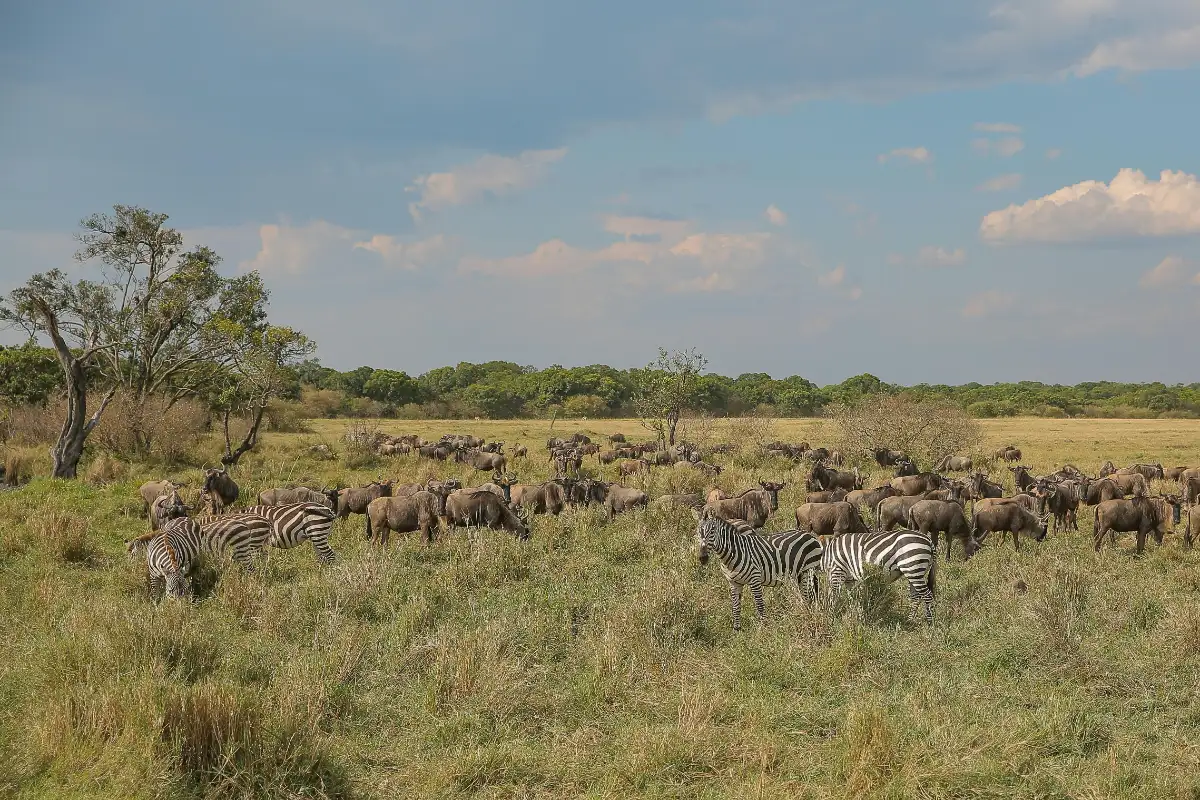
You are about to step into a Maasai cultural village in the Maasai Mara, and whatever assumptions you carried here from your research, your Instagram feed, or the documentary you half watched on the long flight over, leave them in the vehicle. What happens next does not fit neatly into any of them.
A Maasai cultural village day trip in the Maasai Mara is one of the most genuinely surprising and rewarding experiences available to any ordinary traveller visiting Kenya. Not because it is dramatic or spectacular in the way that a river crossing or a lion kill is dramatic, but because it is real in a way that is increasingly rare in modern travel. This guide covers everything you need to know before you go, from understanding the history and customs of the Maasai people to knowing exactly what you will see, do, hear, and feel during your visit, and how to make sure the experience you book is as authentic and ethical as it deserves to be.
Who the Maasai Are and Why Their Story Belongs to the Heart of the Mara
A People Built by the Land They Protect
The Maasai are a Nilotic ethnic group who migrated southward from the lower Nile region into what is now Kenya and Tanzania between the fourteenth and seventeenth centuries. By the nineteenth century they controlled vast stretches of the East African Rift Valley, earning a reputation among colonial era travellers as warriors of formidable skill and a people of profound cultural confidence. When the British colonial administration drew the boundaries of East Africa, the Maasai lost much of their traditional grazing land. When the national parks were established in the twentieth century, they lost more still.
And yet the Maasai endure. Not as a relic, not as a curiosity, but as a living, evolving, fiercely self aware community that continues to practice its customs on its own terms while navigating the pressures of a modernising world with remarkable intelligence. The Maasai Mara itself takes the first part of its name from the Maasai people, which is a geographical acknowledgement of the fact that this landscape has never stopped belonging to them in the deepest sense.
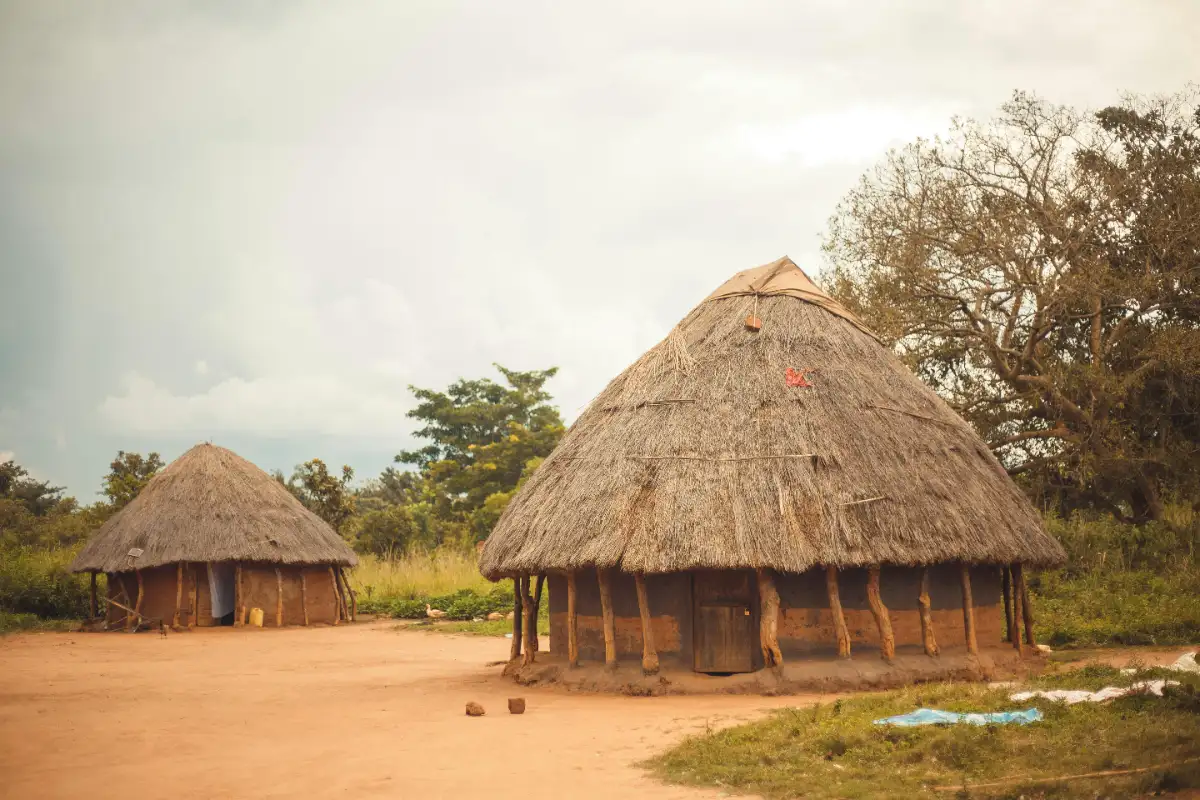
The Manyatta — What a Maasai Village Actually Is
The word manyatta is used to describe the traditional Maasai homestead, a circular or oval enclosure built from thorny acacia branches that forms the outer fence, with a cluster of small homes built inside it from a mixture of mud, cow dung, urine, grass, and ash. The construction technique is ancient and extraordinarily effective. The walls resist both rain and heat. The interior of a Maasai home stays cool during the day and warm at night, all without electricity or modern insulation.
A typical manyatta houses an extended family unit. The number of homes inside the enclosure reflects the number of wives in the family, as Maasai society is traditionally polygamous. Cattle are brought inside the enclosure at night to protect them from predators, which is both a practical arrangement and a reflection of the central role that cattle play in Maasai culture, economy, and social identity.
Cattle in Maasai Society — More Than an Animal
To the Maasai, cattle are not livestock in the way that outsiders understand the term. They are currency, social capital, spiritual connection, and the primary measure of wealth and status. A man's cattle determine his standing in the community. They are given as bride price, sacrificed at ceremonies, and cared for with a level of knowledge and attentiveness that reflects generations of accumulated wisdom about animal husbandry in one of the world's most demanding environments. When a Maasai elder tells you about his cattle, he is telling you his autobiography.
The Adamu — The Jump That Carries Centuries of Meaning
Every visitor to a Maasai cultural village in the Maasai Mara will witness the adamu, the famous jumping dance performed by Maasai warriors known as the moran. Young men form a circle, begin a low rhythmic chant that builds in intensity, and then take turns leaping into the air from a standing position, rising as high as their strength and technique allows while the rest of the group responds with louder chanting and a deep percussive hum.
It is one of the most arresting physical performances you will see anywhere in the world. But the adamu is not a show. It is a demonstration of warrior readiness, a social competition, and a form of courtship all at once. The moran who jumps highest earns the admiration of both his peers and the young Maasai women watching from the edge of the circle. Understanding this context does not diminish the spectacle. It transforms it into something genuinely fascinating.
What Most Tourists Miss During a Maasai Village Visit
The Women's World — Beadwork, Medicine, and the Architecture of Daily Life
Most group tours to Maasai villages spend the majority of their time watching the adamu and then browsing the craft market before heading back to the vehicle. In doing so, they walk straight past the most intricate and intellectually rich dimension of Maasai cultural life: the world of Maasai women.
Maasai women are the builders of the manyatta. They construct the homes, they maintain them, and when the community moves with the cattle to new grazing land, they dismantle them and rebuild them at the new location. This means that Maasai women carry in their hands and heads a complete architectural and material science that has been refined over centuries and passed from mother to daughter without ever being written down.
The beadwork that Maasai women produce is not decorative in the way that jewellery is decorative in most cultures. Every bead colour carries meaning. Every pattern communicates status, age group, marital condition, and community affiliation. A young Maasai woman's necklace tells you her life story if you know how to read it. Ask your guide to explain the colour system and you will spend the next hour looking at every piece of jewellery in the market with completely different eyes.
Traditional Maasai Medicine Knowledge
Maasai women are also the primary keepers of traditional plant medicine knowledge within the community. The Mara ecosystem contains dozens of plant species used in Maasai medicinal practice for everything from fever and infection to wound treatment and childbirth support. This knowledge base is under genuine threat as younger generations migrate toward urban centres and formal healthcare systems. Some Maasai communities have begun documentation projects to preserve this botanical knowledge, and a growing number of cultural village visits now include a brief introduction to medicinal plants as part of the experience.
The Fire Making Ceremony — An Everyday Act That Becomes a Lesson in Attention
One of the most quietly powerful moments in a Maasai cultural village visit is something almost every tour includes but almost nobody focuses on properly: the traditional fire making demonstration. A Maasai elder takes two pieces of wood, a flat base piece with a small notch cut into its side and a straight upright spindle, and begins rotating the spindle rapidly between his palms while pressing downward. Within less than a minute, a wisp of smoke appears at the notch, a tiny ember forms in the wood dust below, and with a gentle breath and a handful of dry grass the fire takes hold.
The speed and ease with which an experienced Maasai elder starts a fire this way is genuinely humbling. It represents the kind of embodied knowledge that cannot be learned from a video or a manual. It lives in the hands and it is passed on through demonstration and practice across generations. Standing there watching it happen in front of you, in the middle of the Mara, is the kind of moment that puts everything else into perspective very quietly.
The Children of the Manyatta — An Unexpected Conversation
If your visit is unhurried and you spend time moving through the village rather than staying near the entrance area, you will encounter the children of the manyatta going about their ordinary afternoon. They will be curious about you and they will not be shy about showing it. Through your guide as interpreter, these conversations, about school, about animals, about what they find funny, about what they want to do when they grow older, are often the most memorable part of the entire visit.
Several Maasai communities in the Mara area have built primary schools adjacent to or within walking distance of the village, funded through a combination of government support and community tourism revenues. Asking about the school and expressing genuine interest in the children's education is both personally enriching and a meaningful way of acknowledging that the community you are visiting has a future as well as a past.
What to Bring for the Children
Many travellers ask whether it is appropriate to bring gifts for the children of a Maasai village. The general consensus among responsible tourism practitioners is that distributing sweets, money, or novelty items directly to children creates unhealthy dynamics and should be avoided. If you want to contribute meaningfully, ask your tour operator or the village elder about donating to the community school fund or the women's craft cooperative. These contributions have a structural benefit that a handful of sweets does not.
Everything an Ordinary Traveller Needs to Know Before Visiting a Maasai Cultural Village in the Maasai Mara
How Long Does a Maasai Village Day Trip Take?
A standard Maasai cultural village visit as part of a Maasai Mara day trip typically takes between one and two hours inside the village itself. When combined with a morning or afternoon game drive, the full day trip from a nearby camp or lodge runs from approximately six in the morning to six in the evening. If you are visiting the Mara specifically for the cultural experience and are spending only one day in the area, a half day cultural visit followed by a short game drive is entirely feasible and satisfying.
What to Wear During Your Village Visit
Dress modestly and practically. There is no strict dress code requirement for visitors to Maasai villages in the Mara, but respectful clothing that covers the shoulders and knees is appreciated and appropriate. Bright colours are welcome and will actually earn you appreciation from the Maasai, who are themselves among the most colour expressive people in Africa. Closed shoes or sturdy sandals are recommended as the ground inside the village enclosure is uneven and can be muddy after rain. Leave expensive jewellery at your accommodation.
What to Expect at the Craft Market
Every Maasai cultural village visit ends at a craft market where community members sell handmade items. The quality and variety of what is available varies significantly between villages, but you can generally expect to find beaded jewellery, leather wristbands, woven baskets, carved wooden items, and shuka cloth in various colours and patterns.
Prices at the market are negotiable and bargaining is expected and enjoyed by both parties. That said, the amounts involved are modest by international standards. Paying a fair price for beautiful handmade work from a rural artisan is both ethical and economically meaningful in a way that aggressive bargaining is not. Use your judgement, keep your sense of humour, and remember that the woman across the table from you spent two weeks beading the necklace she is holding.
Authentic Versus Manufactured Crafts
One of the practical challenges of the Maasai Mara craft market is distinguishing between items genuinely made by community members and mass produced imports from Nairobi's industrial district that are sold at tourist rates across the country. A useful test is to ask the person selling the item whether they made it themselves. A genuine artisan will be able to describe the process, show you their hands, and tell you something specific about the piece. A vendor selling manufactured goods will typically change the subject.
The Best Time of Year to Visit a Maasai Village in the Maasai Mara
A Maasai cultural village visit can be done at any time of year because the community lives here permanently regardless of season. However, the overall Maasai Mara experience is richest between July and October during the Great Migration, and between January and February when the short dry season makes roads accessible and wildlife viewing exceptional. The long rains of April and May can make dirt tracks to some villages very difficult to navigate and are best avoided for a day trip itinerary.
Morning visits, typically between nine and eleven, tend to be cooler and more energetic. The village is fully active, children are between morning chores and school, and the elders are often gathered and willing to sit and talk. Afternoon visits work well too and offer better light for photography, but the midday heat between noon and two can make the visit more physically demanding.
How to Tell an Ethical Village Visit from an Extractive One
This is the most important practical question in this entire guide and it deserves a direct answer. Not all Maasai village visits are equal. At one end of the spectrum you have deeply authentic, community owned experiences where the revenue goes directly to the families involved, the guides are members of the community, and the interaction is genuinely mutual. At the other end you have staged performances designed for rapid throughput, where visitors are shuffled through a set of choreographed moments, photographed extensively, handed a souvenir, and driven away within forty minutes without having made any real human contact at all.
The difference is apparent within the first five minutes if you know what to look for. In an ethical visit, your guide introduces you by name to specific people. You are invited into a home rather than simply shown one from the outside. The elder who speaks to you knows your name and asks you questions as well as answering them. The atmosphere is unhurried and the children behave like children rather than performers. You leave knowing at least one person's name, one specific thing about their life, and something about yourself that you did not know before you arrived.
Questions to Ask Your Operator Before Booking
Before committing to a Maasai village day trip in the Maasai Mara, ask the following questions of your tour operator: Does the entry fee go directly to the community or to the operator? Is the guide a member of the village or an outside contractor? How long does the visit typically last? Is there a limit on group size? Does the community have any say in how the visit is conducted? Operators who answer these questions confidently and specifically are almost always running a genuine experience. Operators who deflect, generalise, or seem surprised by the questions are worth a second thought.
Book Your Maasai Cultural Village Day Trip Through Plan My Experiences
Why Plan My Experiences Is the Right Platform for This Journey
Booking a Maasai cultural village day trip in the Maasai Mara through a random internet search is a gamble. The quality of these experiences varies enormously and the gap between the best and the worst is not a matter of minor preference. It is the difference between a transformative cultural exchange and a forgettable transaction that benefits nobody except an intermediary.
Plan My Experiences was built to close that gap. It is the premier African travel marketplace that connects ordinary travellers directly with the most trusted, vetted, and community embedded local operators across Kenya and the wider East Africa region. Every operator listed on the platform has been assessed for authenticity, community benefit, and traveller satisfaction. When you search for a Maasai Mara cultural village day trip on Plan My Experiences, every result you see has earned its place there.
What Booking Through Plan My Experiences Actually Looks Like
The process is straightforward. You visit the Plan My Experiences website, search for Maasai Mara cultural experiences, and browse a curated selection of day trip options that include Maasai village visits, community walks, cultural immersion packages, and combined game drive and village itineraries. Each listing includes a detailed description of what the experience involves, transparent pricing, verified reviews from previous travellers, and direct communication tools so you can ask the operator specific questions before you commit.
You can build a complete Maasai Mara itinerary on a single platform, combining your game drive, your balloon safari if you choose one, your cultural village visit, and your accommodation recommendations, all connected through local specialists who know this landscape the way you know your own neighbourhood.
For Local Operators and Community Guides in the Maasai Mara
If you are a Maasai community leader, a local guide, a cultural experience provider, or a lodge owner operating in or around the Maasai Mara, Plan My Experiences gives you a direct and unfiltered connection to a global audience of travellers who are actively searching for exactly what you offer.
Listing your experience on the platform costs nothing. You set your own pricing, describe your experience in your own words, and manage your availability directly. Plan My Experiences takes a fair commission only when a confirmed booking is made, which means you only pay when you earn. This model keeps revenue inside the communities that create the experiences and ensures that the platform's growth is built on genuine quality rather than advertising spend.
Why a Day in a Maasai Village Is Worth More Than a Week on a Standard Safari
There is a particular kind of tiredness that comes at the end of a Maasai cultural village day trip in the Maasai Mara. It is not the tiredness of too much sun or too many kilometres in a safari vehicle. It is the tiredness that comes from genuine attention, from listening hard to things that are new, from seeing the world reorganised slightly around a different set of assumptions about what matters, what is beautiful, and what makes a life meaningful.
The Maasai have survived colonial dispossession, drought, conflict, and the relentless pressure of modernisation without losing the thread of who they are. That is not a small thing. And spending a day as their guest, in a village on the edge of one of the most spectacular wildlife landscapes on earth, is not a small thing either. It is a day trip in the Maasai Mara that does something a game drive alone cannot do. It reminds you that the wilderness is not just wild animals and wide skies. It is also the human communities that have lived inside it for centuries, shaped it, named it, and fought to remain part of it.
Book your Maasai Mara cultural village day trip through Plan My Experiences. Ask good questions. Listen carefully. Buy something beautiful from the woman who made it. And when the minibus pulls back onto the main road and the village disappears in the dust behind you, notice how different the plain looks now that you know someone who lives in it.