There is a specific kind of travel that changes the dynamic between two people in the best possible way. Not the travel that requires managing logistics and resolving disagreements about museum opening hours, but the travel that places both of you inside something so much larger and older and more indifferent to human concerns than your ordinary daily life that all the small calibrations of a shared existence fall away temporarily and you are left with just the two of you and the landscape and the animals moving through it as though you are not there.
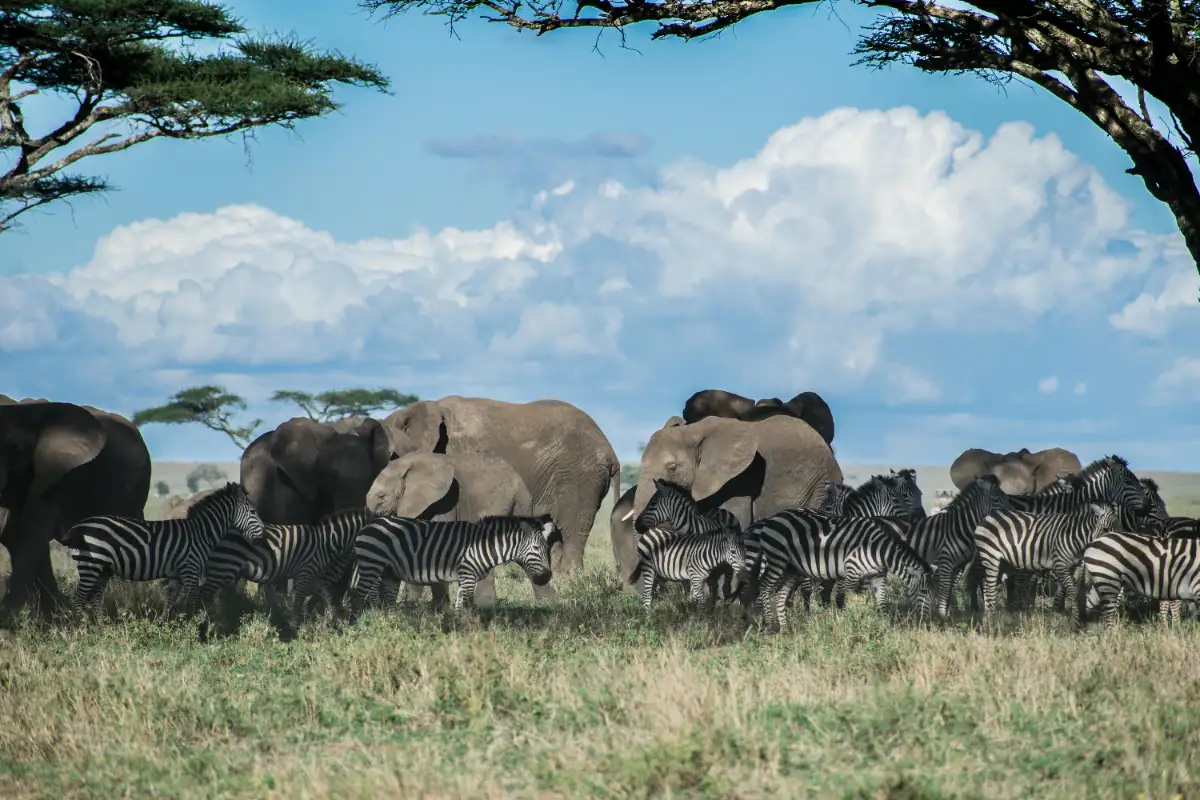
A seven day safari itinerary in Tanzania is exactly this kind of travel. Tanzania is the home of the Serengeti, the Ngorongoro Crater, the Tarangire elephant herds, the Zanzibar Archipelago, and Kilimanjaro's snow capped summit, and a well planned seven day route for a travelling couple can encompass the essential best of all of it without the pace that makes a trip feel like an endurance event rather than an experience. This detailed Tanzania safari itinerary is built day by day for the couple who wants to move thoughtfully through one of the world's most extraordinary countries, who values depth of experience over quantity of sites, and who understands that the best moments on a safari are rarely the ones in the itinerary.
The route below combines the northern Tanzania safari circuit, which connects Arusha to the Tarangire National Park, the Serengeti National Park, and the Ngorongoro Conservation Area, with a two night extension to Zanzibar for the beach and cultural counterpoint that makes the complete Tanzania experience genuinely whole. It works across all budget levels from mid range to luxury, and every day includes specific guidance on what to prioritise, what to let go, and what the two of you should do together that no guidebook will tell you about.
Before You Go — Setting the Foundation for a Perfect Tanzania Safari Itinerary
The Gateway City: Arusha and Why Your First Night Matters More Than You Think
Arusha is the safari capital of Tanzania and the entry point for the northern circuit. It sits at the foot of Mount Meru, Tanzania's second highest peak, and has a particular atmosphere that belongs to no other city quite like it: the smell of coffee from the highland farms on the city's outskirts, the noise of the main market in the valley below the town centre, the specific quality of afternoon light at one thousand four hundred metres above sea level that turns the streets gold an hour before sunset.
Most seven day Tanzania safari itineraries treat Arusha as a transit point and rush through it. For a travelling couple arriving from a long international flight, treating Arusha as a genuine first night rather than a layover changes the quality of everything that follows. A good night's sleep at an Arusha hotel before the serious driving or flying begins, a morning cup of single origin Tanzanian coffee at a proper coffee house, and an early visit to the Arusha Cultural Heritage Centre to calibrate your eye for Tanzanian craft before you buy from a market or a camp shop are the three hours that most couples who skip them wish they had taken.
Day One — Arrival in Arusha: The Safari Begins Before the Game Drive Does

Morning and Afternoon: Settling In and Calibrating to Tanzania Time
Arriving in Arusha from most international departure cities means landing at Kilimanjaro International Airport, approximately forty five minutes from the city centre by road. The drive in is your first sustained exposure to the Tanzanian landscape: red earth, banana plantations, women carrying loads on their heads with a balance that looks effortless and is the product of decades of practice, and every few kilometres the sight of Kilimanjaro or Meru revealing themselves above the cloud line before retreating again.
Check into your Arusha hotel or lodge and resist the instinct to organise the afternoon immediately. This is the day for being in Tanzania without performing being in Tanzania. Walk the town if your property is centrally located. Eat lunch at a local restaurant rather than the hotel dining room. Order a plate of pilau rice and beans and ugali and eat it outside in the company of the other people eating lunch on a Tuesday afternoon in a city that has been doing exactly this since before either of you was born.
Evening: The Pre Safari Briefing and the First Sundowner
Your operator or guide should schedule a pre safari briefing for the early evening of day one. This is where the operational logistics of the next six days are confirmed: vehicles, departure times, accommodation confirmations, park fee arrangements, and the specific wildlife expectations for each zone you will pass through at the time of year you are visiting. A good guide uses this briefing to calibrate the itinerary to your specific interests as a couple. Tell them what you most want to see. Tell them what kind of pace you prefer. Tell them if one of you is a birder and the other is not. The briefing is where the itinerary becomes yours rather than a template.
The sundowner afterward, ideally at a rooftop bar with Kilimanjaro visible on the horizon if the evening is clear, is the first of the shared moments that this trip is going to produce in considerable quantity. Start paying attention now.
Day Two — Arusha to Tarangire National Park: The Elephant Landscape
Morning Departure and the Drive South
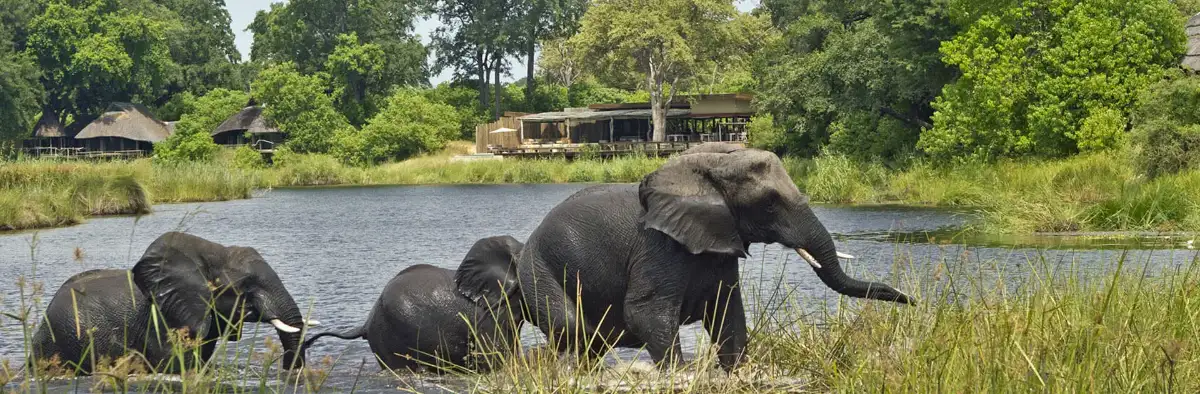
The drive from Arusha to Tarangire National Park takes approximately two hours and passes through the Maasai heartland of the Rift Valley escarpment, with wide flat plains, acacia scrubland, and the occasional Maasai boma visible at the roadside. Tarangire is not the Serengeti. It does not have the Serengeti's wide open prairie quality or its international name recognition. What it has is its own extraordinary identity: enormous ancient baobab trees that look as though they were planted upside down, the Tarangire River which is the only permanent water source in the region during the dry season and which concentrates wildlife with extraordinary intensity, and an elephant population that in the dry months from June through October produces herds of one hundred and fifty animals at a single riverside location that represents one of the most extraordinary wildlife density experiences available anywhere in East Africa.
Afternoon Game Drive: The Tarangire River Circuit
The afternoon game drive in Tarangire should follow the river circuit, which traces the Tarangire River from the main gate southward through the most productive wildlife viewing terrain in the park. The riverbanks support year round elephant activity and the dry season concentrations of buffalo, zebra, wildebeest, and giraffe around the remaining waterholes create the kind of wildlife landscape that most visitors to Tanzania only see during the Great Migration further north. Tarangire is genuinely undervisited by the standards of the northern circuit and the intimacy of a game drive here, where you may have a particular river bend to yourselves for thirty minutes watching three elephant families interact at the water, is one of the most valuable hours the itinerary contains.
Where to Stay in Tarangire on Night Two
For a travelling couple, Tarangire offers accommodation options ranging from budget tented camps outside the park boundary to luxury properties inside the park that provide after dark wildlife access. The best mid range option for a couple is a tented camp positioned on the Tarangire River with direct views of the water. Waking up on day three to an elephant at the river from your tent deck, which is entirely possible at the right property, is the kind of morning that sets the standard for the rest of the week.
Day Three — Tarangire to the Central Serengeti: Entering the Endless Plain
Morning: The Drive or Flight to Seronera
Day three begins the transition to the Serengeti and the method of travel on this leg depends significantly on your budget and your preference. A road transfer from Tarangire to the central Serengeti via the Ngorongoro highlands takes approximately five to six hours including a stop at Olduvai Gorge, one of the most significant palaeontological sites in the world where the earliest stone tools and hominid fossils in the archaeological record were discovered by Louis and Mary Leakey in the 1950s. A light aircraft transfer from Kuro airstrip in Tarangire to Seronera airstrip in the central Serengeti takes approximately forty five minutes and provides an aerial perspective on the landscape that no road transfer can replicate.
For a couple with the budget for internal flights, the aerial approach to the Serengeti deserves its own paragraph. The moment when the Seronera Valley comes into view below the aircraft and you can see the river systems and the kopje rock formations and the first scattered groups of wildebeest and zebra on the open plains is a moment of visual scale that resets your understanding of what large actually means. Land. Step onto the airstrip. Look at the horizon. There is nothing between you and it for sixty kilometres in every direction.
Afternoon Game Drive: The Seronera Valley — Reading the Resident Wildlife
The central Serengeti around Seronera is the most wildlife reliable zone in the park year round and the afternoon of day three should be devoted entirely to a slow, attentive game drive through the Seronera River system. The resident lion prides of the Seronera Valley are among the most studied and most habituated to vehicles in Africa. Leopard sightings in the fig and sausage trees along the river are more reliable here than almost anywhere else in the Serengeti. The kopje rock formations, granite outcrops that rise from the flat plain like the knuckles of a buried giant, support cheetah that use their elevation for surveillance and provide some of the most photographically compelling wildlife backdrops in the park.
The afternoon game drive on day three is also the moment when the Serengeti begins to make itself specifically known to the two of you as a landscape rather than a concept. Pay attention to what it feels like to be inside this much space. This is a feeling that will serve as a reference point for a considerable time after you leave.
Day Four — Full Day in the Serengeti: Going Deeper
Pre Dawn Start: The Six O Clock Drive That Defines the Trip
Day four should begin before sunrise. Set the alarm for five. Dress in the dark in the layered clothing that the Serengeti morning requires because the temperature at this hour, even close to the equator, can drop to twelve degrees Celsius in the dry season. Get into the vehicle with your guide and drive out of camp before the light has fully arrived, watching the Serengeti wake up around you in stages: the sky lightening in the east, the shapes of the acacia trees becoming specific, the first bird calls, the distant silhouette of a giraffe against the orange horizon.
The golden hour of the African sunrise lasts approximately forty five minutes in the Serengeti and the quality of light it produces, specifically directional and warm in a way that turns the grass into copper and the animals into something that looks genuinely golden, is the light that defines every iconic photograph of this landscape. Being inside it with your partner rather than viewing it through a screen is the specific purpose of this entire trip.
Mid Morning: The Kopje Exploration and the Hidden Pools
After the golden hour drive, ask your guide to take you to one of the more remote kopje formations in the central Serengeti away from the main vehicle circuits. These isolated granite outcrops support their own microecosystems, with fig trees growing from the rock crevices, rock hyrax colonies occupying the upper ledges, small pools that collect rainwater in the wet season and attract wildlife long after the surrounding plains have dried, and the specific quality of a viewpoint that is elevated enough to see the Serengeti spread in every direction while you eat your bush breakfast in relative solitude.
The Bush Breakfast as a Couples Experience
The bush breakfast, which most five star Serengeti camps will arrange at a location of your guide's choosing away from the main camp, is one of the most underrated experiences the Tanzania safari itinerary contains for a travelling couple. Tables are set up on the plain or against a kopje in the morning light. Fresh fruit, eggs cooked on a portable gas ring, toast kept warm in a cloth, coffee that is genuinely good: the mechanics are modest and the experience of eating breakfast in the middle of the Serengeti with nothing between you and the horizon is one that disproportionately rewards the couple who treats it with the appropriate level of attention.
Afternoon: Rest and the Sundowner Drive
After a full morning in the field, the afternoon of day four is the day to rest during the heat of two to four in the afternoon and then rejoin the landscape for the evening. Ask your guide to take you to an elevated viewpoint for the Serengeti sundowner. Bring a warm layer. The temperature drops quickly after five and the transition from warm afternoon to cool evening in the Serengeti happens with the same speed that the light changes, which is to say very fast and in colours that you will not have seen precisely replicated anywhere else.
Day Five — Serengeti to Ngorongoro Crater: Descending Into the World's Largest Caldera
Morning Departure and the Crater Rim Drive
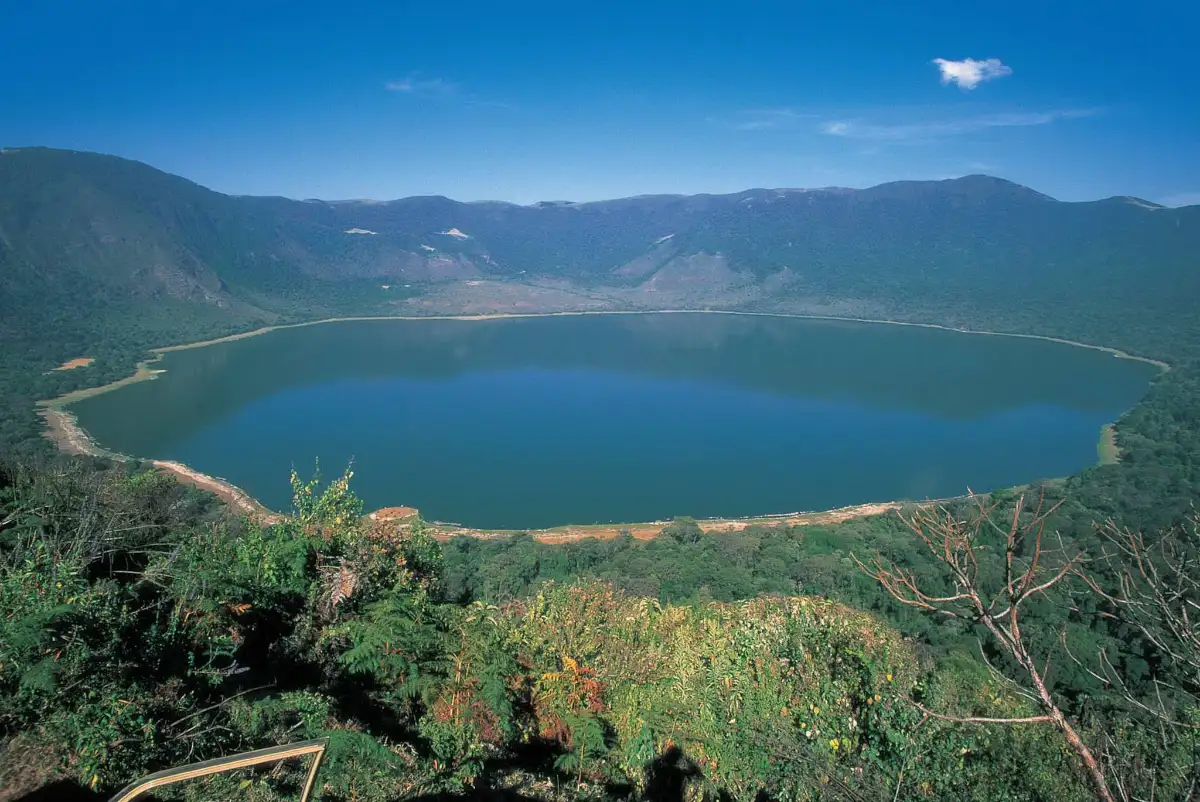
The transfer from the Serengeti to the Ngorongoro Conservation Area takes approximately three to four hours by road and crosses the NCA boundary through a transition of landscape that is one of the most dramatic in the northern circuit: from the open Serengeti plain into the increasingly forested highland country of the crater highlands, climbing through Maasai farmland and montane forest before reaching the crater rim at approximately two thousand three hundred and fifty metres above sea level.
The crater rim itself deserves more than a stop for photographs. Park the vehicle, get out, and stand at the rim for ten minutes looking down into the caldera. The Ngorongoro Crater is approximately nineteen kilometres wide and six hundred metres deep, and from the rim you can see the entire floor of the crater simultaneously: the soda lake that turns pink with flamingos in the right season, the hippo pools, the acacia woodlands, the open grasslands, and if the morning light is right and the binoculars are focused correctly, the black rhino that move through the western crater floor in the early morning.
Afternoon Crater Floor Game Drive
The descent into the crater on day five afternoon is one of the most specific wildlife experiences the Tanzania safari itinerary contains. The crater floor is effectively a closed ecosystem where the density of predators is among the highest in Africa: seven lion prides sharing a nineteen kilometre bowl of prey rich grassland, spotted hyena clans that are the most structurally organised and most frequently observed predators in the NCA, cheetah, leopard, jackal, and the black rhino that represent one of the most critically important rhino conservation populations in East Africa.
The afternoon game drive in the crater is also the moment when the itinerary asks something specific of a travelling couple: the willingness to sit with a sighting for longer than feels comfortable. The crater game drive has a time limit because vehicles must exit before six in the evening, and the instinct is to move efficiently between sightings. Resist it. The couple who sits with a hyena den for forty minutes watching pups emerge into the afternoon light, rather than moving on after ten minutes to find the next thing, consistently describes that specific sighting as the most memorable of the entire trip.
Where to Stay on the Ngorongoro Crater Rim
The crater rim lodges occupy positions that are among the most scenically spectacular in Tanzania: perched above the caldera edge at two thousand three hundred metres with the entire crater visible from the lodge grounds. The best properties for a couple include private plunge pool suites that face the crater and allow the two of you to sit in warm water watching the mist rise from the caldera floor in the early morning before the game drive begins. This is not a generic amenity. At Ngorongoro it is a specifically extraordinary experience that justifies the room category upgrade.
Day Six — Ngorongoro to Zanzibar: The Indian Ocean Counterpoint
Morning: Final Crater Activities and Departure
Day six begins with an optional early morning crater floor drive if your schedule allows before the transfer to Kilimanjaro Airport for the afternoon flight to Zanzibar. The flight from Kilimanjaro to Abeid Amani Karume International Airport in Zanzibar Town takes approximately one hour and crosses the Indian Ocean coast at a height that gives both of you a final aerial view of mainland Tanzania and the first glimpse of the archipelago's turquoise water as the aircraft descends.
Afternoon Arrival: Stone Town and the First Evening
Land in Zanzibar and resist the instinct to go directly to the beach resort. Stone Town, the old city at the western tip of Zanzibar Island and a UNESCO World Heritage Site, is twenty minutes from the airport and deserves at least one evening of proper engagement before the beach itinerary begins. Check into a Stone Town boutique hotel or riad for the night rather than heading immediately to the north or east coast resorts, and spend the evening walking the narrow lanes of the old city in the hour before dinner when the Forodhani Gardens night market opens on the waterfront and the smell of grilling seafood, coconut broth, and spiced street food fills the air of the harbour.
The Stone Town evening for a travelling couple is the specific sensory counterpoint that makes the preceding five days of open grassland and wildlife feel not like a departure but like a completion: the same country, a completely different register, the same quality of being somewhere that is entirely itself rather than anywhere else.
Day Seven — Zanzibar: The Beach, the Spice, and the Departure
Morning: The Spice Farm and the Cultural Depth Behind the Island
Day seven's morning belongs to the Zanzibar spice farm. Spend two hours at a working clove, nutmeg, cinnamon, or vanilla plantation in the island's interior with a local guide who can identify every plant by smell and touch and who knows the specific story of how the Arab and Portuguese traders who shaped Zanzibar's history brought each species to the island from its point of origin across the Indian Ocean trade network. The spice farm experience is not a tourist attraction in the conventional sense. It is a morning of genuine sensory and historical education that makes every meal you eat for the rest of your lives slightly more specific.
Afternoon: The Beach
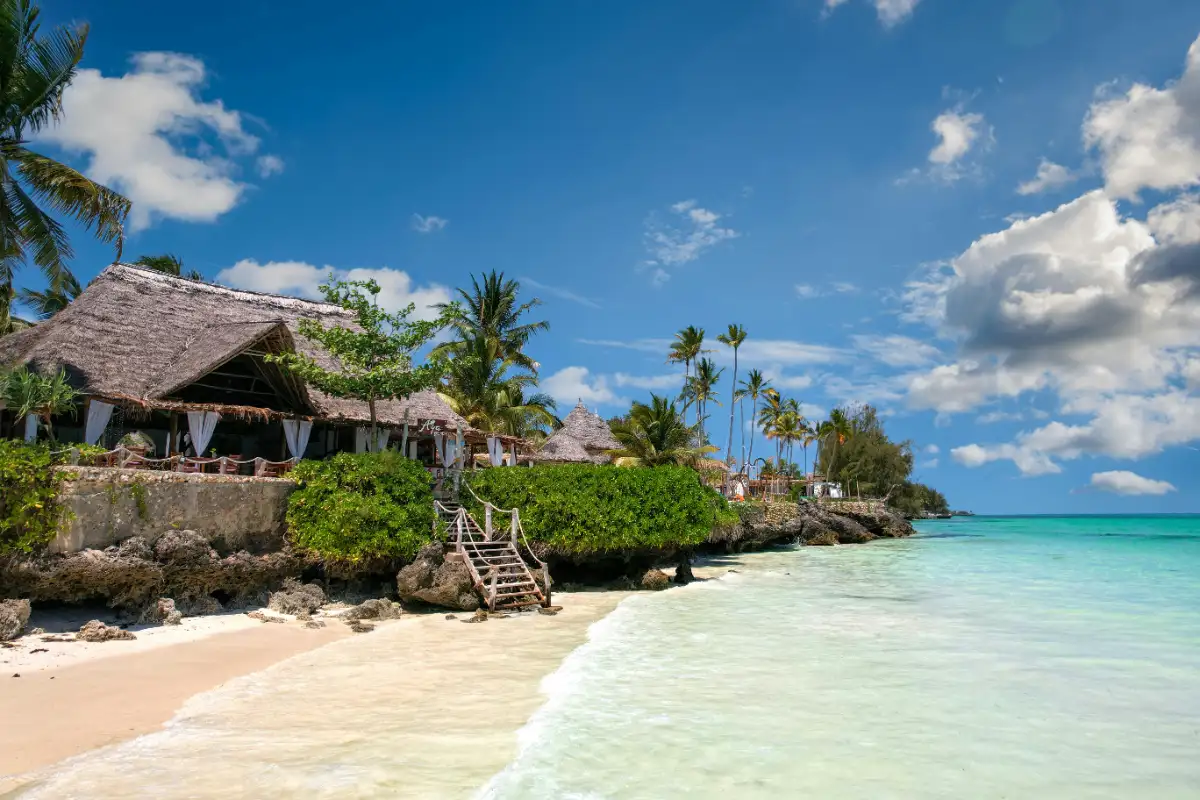
The afternoon of day seven, before the evening transfer to the airport for the overnight or early morning departure, belongs to the Zanzibar beach. The east and north coasts of the island offer the finest swimming and the most turquoise water. Nungwi in the north and Paje in the east are the two beaches most consistently recommended for a short stay. Find a beach chair, order a cold Kilimanjaro beer or a fresh coconut, and spend two hours doing absolutely nothing in the specific company of the Indian Ocean.
The couple who arrives at the Zanzibar beach on the afternoon of day seven, five days after sitting in a vehicle before sunrise watching the Serengeti come to life around them, carries with them a version of Tanzania that seven days of this specific design has produced. The wildlife and the mountain and the crater and the spice island and the ocean: each one a different word in the same language.
What a Travelling Couple Needs to Know to Execute This Itinerary
The Best Time of Year for a Seven Day Tanzania Safari Itinerary
This itinerary works across all seasons but delivers different specific experiences depending on when you travel. The dry season from June through October offers the most reliable wildlife concentration in the Serengeti and the Tarangire dry season elephant spectacle is at its most intense. The Great Migration river crossings in the northern Serengeti occur during this period and can be incorporated into the itinerary by substituting the central Serengeti nights for two nights in the north between late July and mid October. The green season from November through March offers extraordinary birdlife, the Serengeti calving season in the southern plains between January and March, and rates that are typically twenty to forty percent lower than dry season pricing.
Internal Flights Versus Road Transfers — The Couple's Decision
The choice between internal flights and road transfers on the Tanzania northern circuit is both a budget and an experience question. Internal flights between the main circuit stops cost approximately USD 200 to USD 400 per person per leg and save two to three hours of road time per transfer while adding the aerial perspective that is genuinely valuable for first time Tanzania visitors. Road transfers add travel time but pass through landscapes and communities that the aircraft misses entirely, and for couples who travel well together in a vehicle the road transfers can produce their own memorable moments.
The recommended approach for a couple doing this specific seven day itinerary is to fly at least the Tarangire to Serengeti leg and drive at least the Serengeti to Ngorongoro leg to experience both formats within the same trip.
Visa and Health Requirements for Tanzania in 2026
Tanzania requires a visa for most international visitors which can be obtained in advance online through the Tanzania e Visa portal or on arrival at Kilimanjaro and Julius Nyerere airports. Yellow fever vaccination is required if arriving from a country with yellow fever transmission risk. Malaria prophylaxis is strongly recommended for the safari circuit and Zanzibar and should be discussed with a travel medicine clinic at least four weeks before departure. Travel insurance including medical evacuation cover is essential rather than optional for any Tanzania safari itinerary.
Book Your Seven Day Tanzania Safari Through Plan My Experiences
Why a Seven Day Tanzania Safari Itinerary Specifically Needs Local Expertise to Reach Its Potential
A seven day Tanzania safari itinerary on paper is a sequence of places and dates. A seven day Tanzania safari itinerary delivered by a local expert who knows which crossing point in the Serengeti the wildebeest are currently using, which crater floor area the black rhino visited yesterday morning, which Stone Town restaurant produces the best Zanzibari seafood curry on a Thursday evening, and which spice farm visit is genuinely educational rather than performative: that is the difference between a trip that is good and a trip that is genuinely transformative for two people who made the decision to spend seven days experiencing it together.
Plan My Experiences is the premier African travel marketplace built to make that level of local expertise accessible to every ordinary travelling couple who books through it. The platform connects travellers directly with the most knowledgeable, community embedded, and personally invested local operators, guides, camp managers, and experience providers across Tanzania, giving you the confidence that every day of your seven day itinerary is being delivered by someone whose knowledge of the specific landscape you are moving through is personal and current rather than generic and dated.
How to Build and Book This Itinerary on Plan My Experiences
Visit the Plan My Experiences website and search for Tanzania safari itinerary or seven day Tanzania safari. The platform surfaces a curated selection of itinerary options and individual experience bookings across Tarangire, the Serengeti, the Ngorongoro Conservation Area, and Zanzibar, with transparent pricing, verified reviews from couples who completed the same route, and direct communication tools that allow you to tailor the itinerary to your specific interests, budget, and travel style before committing to any booking.
You can book each component of this itinerary independently through the platform, choosing the specific operators, guides, and accommodation options that match your priorities, or you can engage a Plan My Experiences Tanzania specialist to design the full seven day route as a connected itinerary with all logistics managed from a single point. Either approach gives you direct access to local expertise and transparent pricing without the intermediary markup of a traditional tour operator or a global aggregator platform.
For Tanzania Safari Operators, Guides, and Lodge Owners
If you operate game drives, bush breakfasts, bush walks, spice farm tours, Stone Town cultural walks, crater floor game drives, or any other experience component of the Tanzania northern circuit, Plan My Experiences gives you direct access to an international audience of travelling couples who are specifically planning the kind of itinerary described in this guide and who are looking for the quality of local expertise that only a platform built around genuine community connection can reliably surface.
Listing your experience on Plan My Experiences is completely free. You set your own pricing, manage your own availability, and present your offering in your own words. The platform charges a fair commission only on confirmed bookings, which means the relationship between the platform and your business is built on the success of your delivery rather than the size of your marketing budget. Revenue stays in Tanzania, in the communities and ecosystems and families that make this itinerary worth taking.
Seven Days Is Enough to Fall in Love With Tanzania. It Is Not Enough to Stop There.
The couple who completes this seven day Tanzania safari itinerary comes home with something that is difficult to name and impossible to unknow. The Serengeti at sunrise will have done something to their shared vocabulary that urban weekends cannot manufacture. The Ngorongoro Crater will have introduced them to a scale of natural engineering that makes even the most impressive human construction feel provisional. The Stone Town evening will have given them a conversation about history and trade and cultural collision that continues at the dinner table three weeks after the trip has ended.
Tanzania rewards the travelling couple who brings genuine curiosity and the willingness to let the itinerary be interrupted by something unexpected in the field. The best moments on this specific route are almost never the ones that appear on the schedule. They are the lion cub that climbs into the vehicle's wheel arch and sits there for twenty minutes while the driver and the couple negotiate a response. They are the fishing dhow that appears on the Zanzibar horizon at the exact moment the sun drops below it. They are the two of you, five days into the wilderness, realising simultaneously and without saying anything that this is exactly where you are supposed to be.
Book your seven day Tanzania safari itinerary through Plan My Experiences. Find your guide. Trust the route. And give Tanzania the quality of attention that seven days in its company genuinely earns.