Why Ethiopia Is the Most Underestimated Travel Destination in Africa
Ethiopia is the country that keeps rewriting the sentence you thought you had finished about Africa. You arrive expecting the historical circuit, the rock churches, the ancient obelisks. You leave having been to a volcanic landscape that resembles a science fiction set, trekked through an alpine ecosystem that contains a wolf found nowhere else on earth, sat in a coffee ceremony that restructures the meaning of the word hospitality, and watched an indigenous community in the Omo Valley live with a material and cultural sophistication that makes the word primitive feel not merely inaccurate but actively embarrassing.
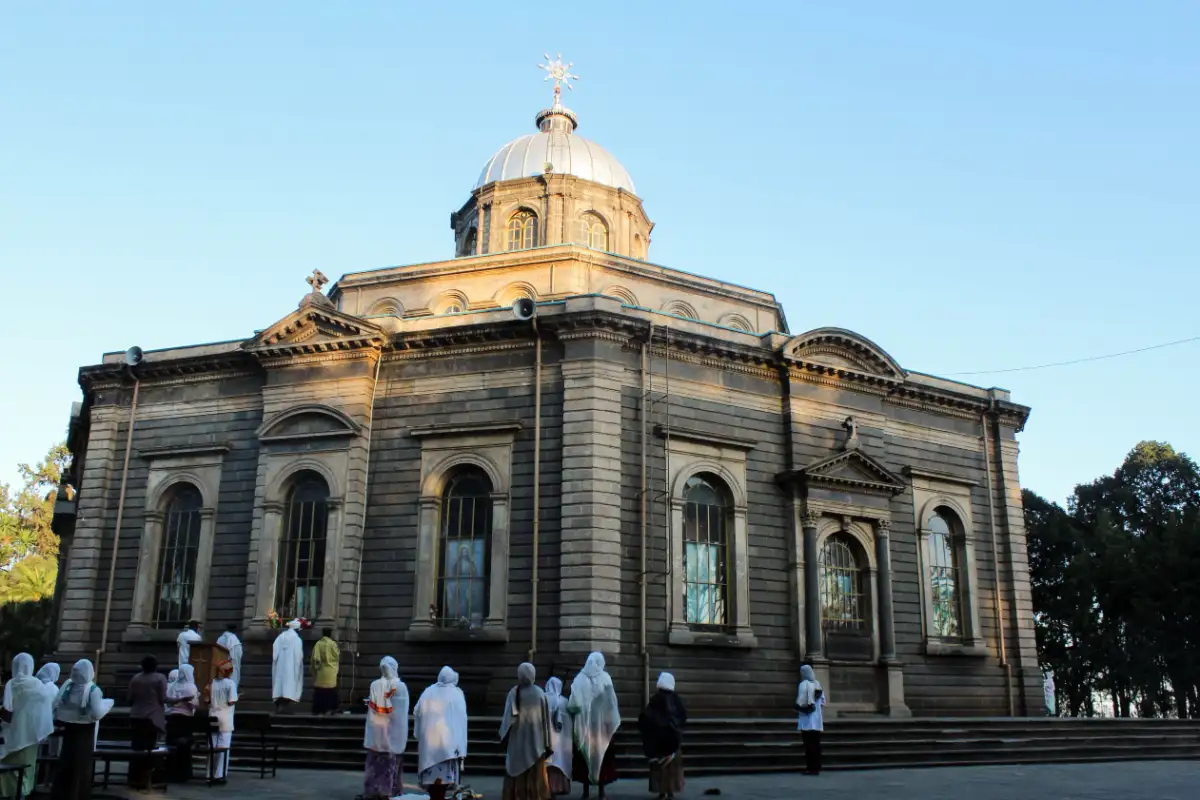
Ethiopia is the oldest independent country in Africa, one of the oldest in the world, and the only African nation never to have been colonised by a European power for any sustained period. It has a written historical record stretching back over three thousand years. It gave the world coffee. It is the source of the Blue Nile. It contains the diplomatic capital of the African continent. And it receives fewer international tourist arrivals than Morocco receives in a single month.
The places in this guide represent the full breadth of what Ethiopia offers: the UNESCO listed sites that belong on every serious traveller's bucket list, the geological anomalies that belong on no one's bucket list because no one has told them they exist yet, the cultural experiences that are available for an undetermined window before the infrastructure that makes mass tourism possible arrives and changes their character permanently.
Go now. Go specifically. And go with the right local guide, because in Ethiopia more than almost anywhere else on the continent, the difference between passing through a place and understanding it is almost entirely a function of who is beside you when you arrive.
Key Takeaways
Ethiopia is the oldest independent country in Africa and has one of the world's longest continuous written historical records, stretching back over three thousand years.
The country contains nine UNESCO World Heritage Sites, more than any other country in sub Saharan Africa.
The Danakil Depression in northeastern Ethiopia is one of the most geologically active and most visually extraordinary landscapes on earth, reaching temperatures of up to 50 degrees Celsius and containing active lava lakes, salt flats, and multicoloured hydrothermal fields.
Ethiopia is universally recognised as the birthplace of coffee and the Ethiopian coffee ceremony, conducted up to three times daily in homes across the country, is the most deeply socially embedded food ritual in Africa.
The Ethiopian wolf, found in the Bale Mountains, is Africa's most endangered carnivore and exists only in the highland ecosystems of Ethiopia.
The Omo Valley in southern Ethiopia contains over 20 distinct indigenous ethnic communities and is one of the most ethnographically complex accessible regions in the world.
Ethiopia operates on its own calendar system, the Ethiopian calendar, which is approximately seven to eight years behind the Gregorian calendar and runs 13 months, meaning the country celebrates its millennium in what the rest of the world experienced as 2007.
Ethiopia Fact Box
Ethiopia has a population of approximately 126 million people, making it the second most populous country in Africa after Nigeria.
According to the Ethiopian Tourism Organization, international tourist arrivals to Ethiopia reached approximately 1 million per year before 2020, a figure that represents a fraction of its potential given the density and quality of its attractions.
Ethiopia contains nine UNESCO World Heritage Sites: the Simien Mountains National Park, the Rock Hewn Churches of Lalibela, the Fasil Ghebbi (Royal Enclosure) in Gondar, the Lower Valley of the Awash, the Lower Valley of the Omo, Tiya, the Aksum Obelisks, Konso Cultural Landscape, and the Gedeo Cultural Landscape.
The Danakil Depression, located in the Afar Region of northeastern Ethiopia, sits at approximately 100 metres below sea level in places and is considered one of the hottest inhabited places on earth with average annual temperatures exceeding 34 degrees Celsius.
The Blue Nile, which contributes approximately 85 percent of the total water volume of the Nile River, originates at Lake Tana in northwestern Ethiopia near the city of Bahir Dar.
The Ethiopian coffee ceremony, known as the Bunna Ceremony, involves three rounds of coffee prepared and served from freshly roasted beans over approximately 45 to 60 minutes and is considered a significant social and spiritual ritual in Ethiopian culture.
Addis Ababa, Ethiopia's capital city, is the headquarters of the African Union and hosts more than 100 diplomatic missions and international organisations, making it the diplomatic capital of the African continent.
The 21 Most Amazing Places to Visit in Ethiopia
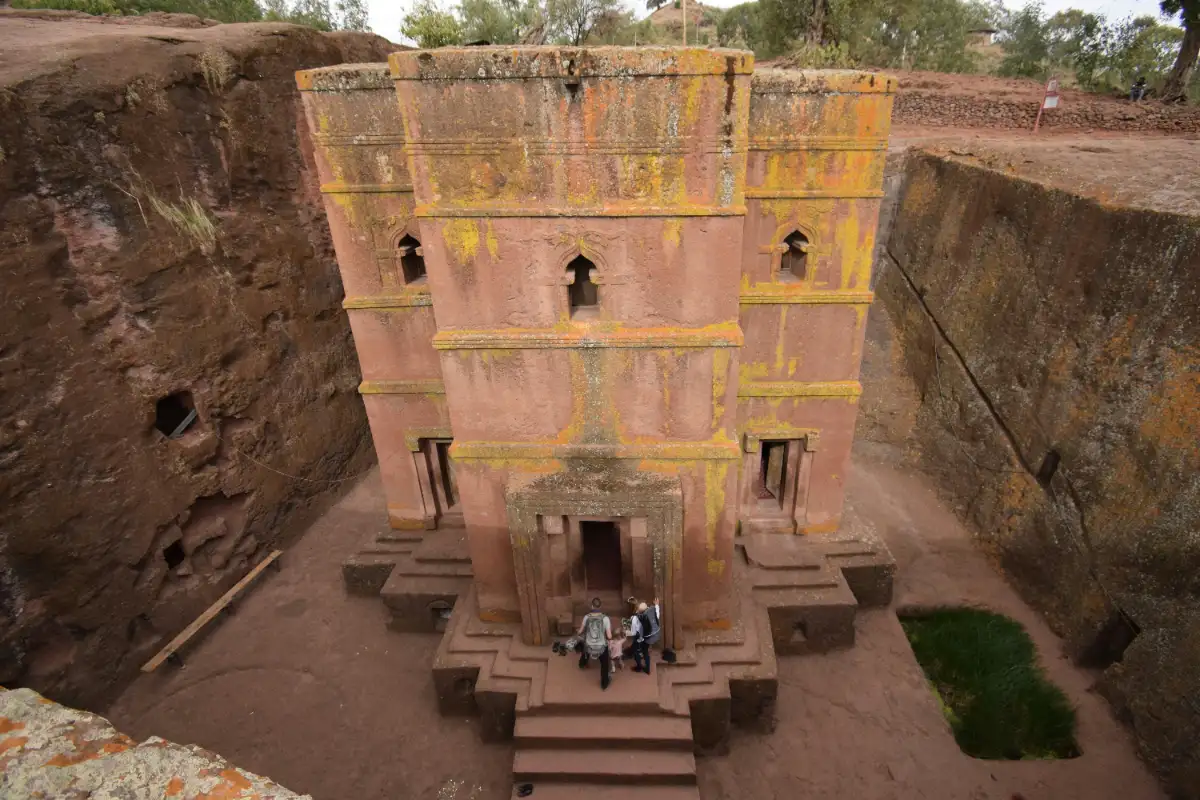
1. Lalibela — The City That Was Carved Rather Than Built
Lalibela is the single most astonishing human construction in Africa and one of the most extraordinary religious sites in the world. Located in the Lasta Mountains of northern Ethiopia at an altitude of approximately 2,630 metres, this small highland town contains eleven monolithic rock hewn churches carved directly from the volcanic rock of the mountain in the twelfth and thirteenth centuries under the direction of King Lalibela, who is said to have received the commission from God during a vision.
The churches are not buildings. They are excavations. The craftsmen did not build up from the ground: they began with a solid mountain and carved downward and inward, removing material until the church emerged from within the rock as a freestanding structure still attached to the surrounding cliff at the roof level. The largest, Bete Medhane Alem, the House of the Saviour of the World, is the largest monolithic church on earth. The most dramatic, Bete Giyorgis, the House of Saint George, rises from a deep courtyard of vertical cliff walls in a form so perfectly geometric that it produces the specific sensation of encountering something that could not exist but does.
The churches are still active places of worship. White robed Ethiopian Orthodox priests move through the underground passages connecting the churches at dawn, carrying silver processional crosses. Pilgrims arrive from across Ethiopia for the major holy days, particularly Ethiopian Christmas, called Genna and celebrated on January 7, and Ethiopian Easter, called Fasika, when thousands of white clad worshippers fill the rock courtyards with candles and chanting in a ceremony of extraordinary atmospheric power.
Lalibela is classified as a UNESCO World Heritage Site and is widely described as the eighth wonder of the world. It is the non negotiable first stop on any Ethiopian itinerary.
Practical Details for Lalibela
Lalibela is accessible by direct flights from Addis Ababa on Ethiopian Airlines, the national carrier and one of Africa's most awarded airlines, with a flight time of approximately one hour. A minimum of two full days is recommended to experience all eleven churches properly. Hire a local guide at the church entrance: the history, symbolism, and liturgical function of the churches requires contextual explanation that transforms the experience from visually extraordinary to historically profound.
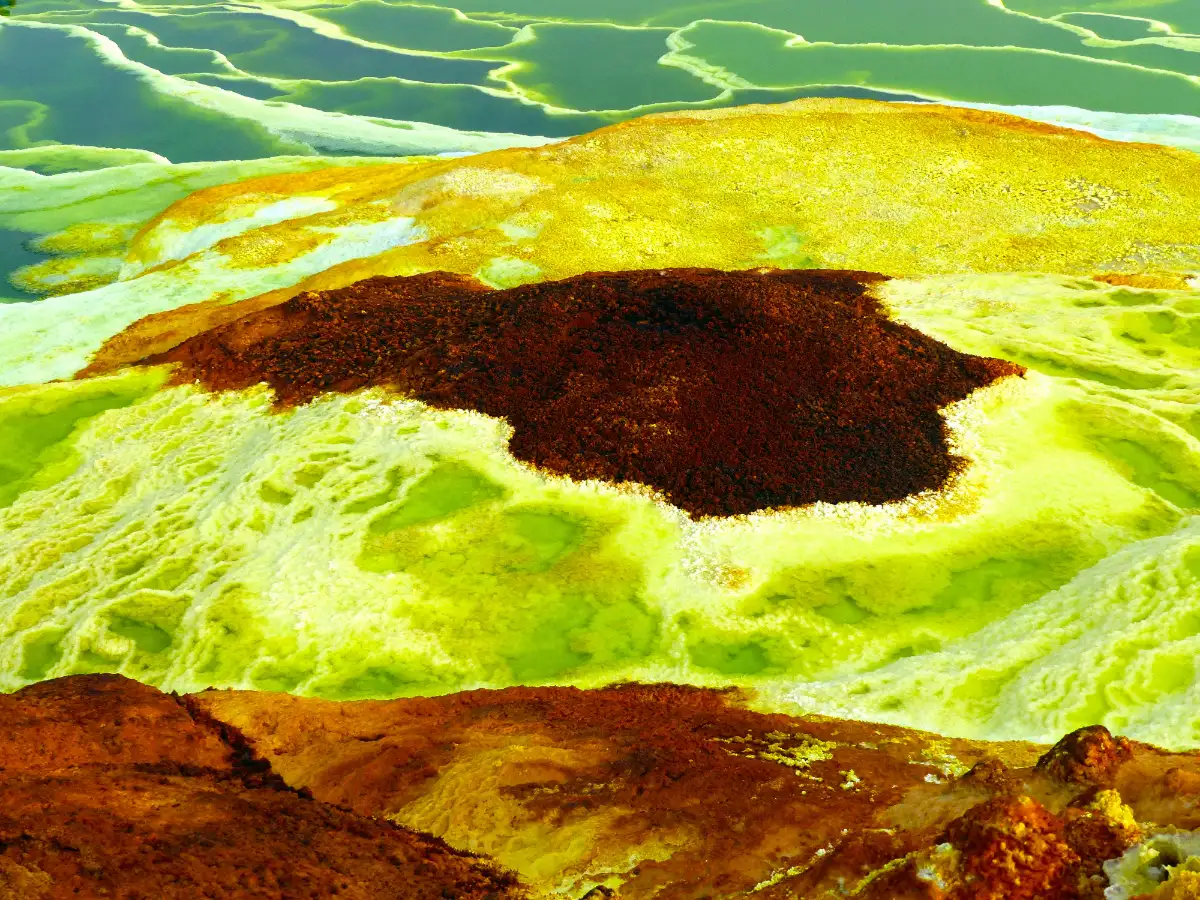
2. The Danakil Depression — Earth's Most Alien Landscape
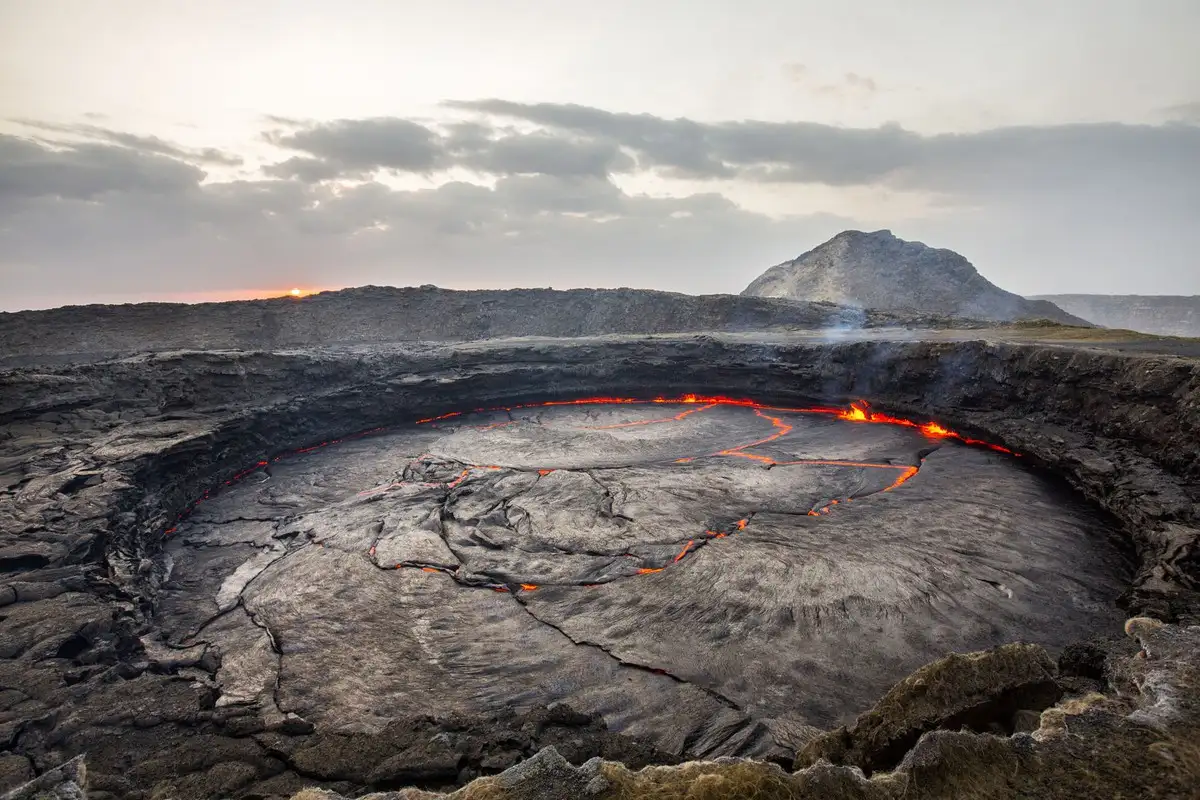
The Danakil Depression in the Afar Region of northeastern Ethiopia is not a metaphor. It genuinely looks like a different planet. This geological zone sits at the junction of three tectonic plates that are actively pulling apart from each other, creating one of the most volcanically and tectonically active surfaces on earth. The result is a landscape that includes the Erta Ale volcano, which contains one of the world's four permanent lava lakes, its surface a constantly moving skin of black cooling rock over a lake of bright orange molten material visible from the crater rim at any hour of the day or night. The Dallol hydrothermal field, which sits at approximately 116 metres below sea level, produces acidic springs, sulphur chimneys, and mineral deposits in colours that range from acid yellow to vivid green to deep orange, creating a surface that looks painted rather than geological.
The Danakil is one of the hottest inhabited places on earth, with temperatures regularly exceeding 45 degrees Celsius at the surface during the day. The Afar people who live and work in this landscape, harvesting salt from the ancient salt lakes in a tradition that has continued for centuries, are one of the most resilient human communities on earth.
Visiting the Danakil requires a licensed tour operator, government permit, and armed escort. It is not a destination for independent travel and the logistics require specialist local knowledge. The visit is conducted over three to four days from the town of Mekelle in the Tigray Region. The Erta Ale crater is typically visited at night both for the visual drama of the lava lake in darkness and for the more manageable temperatures after sunset.
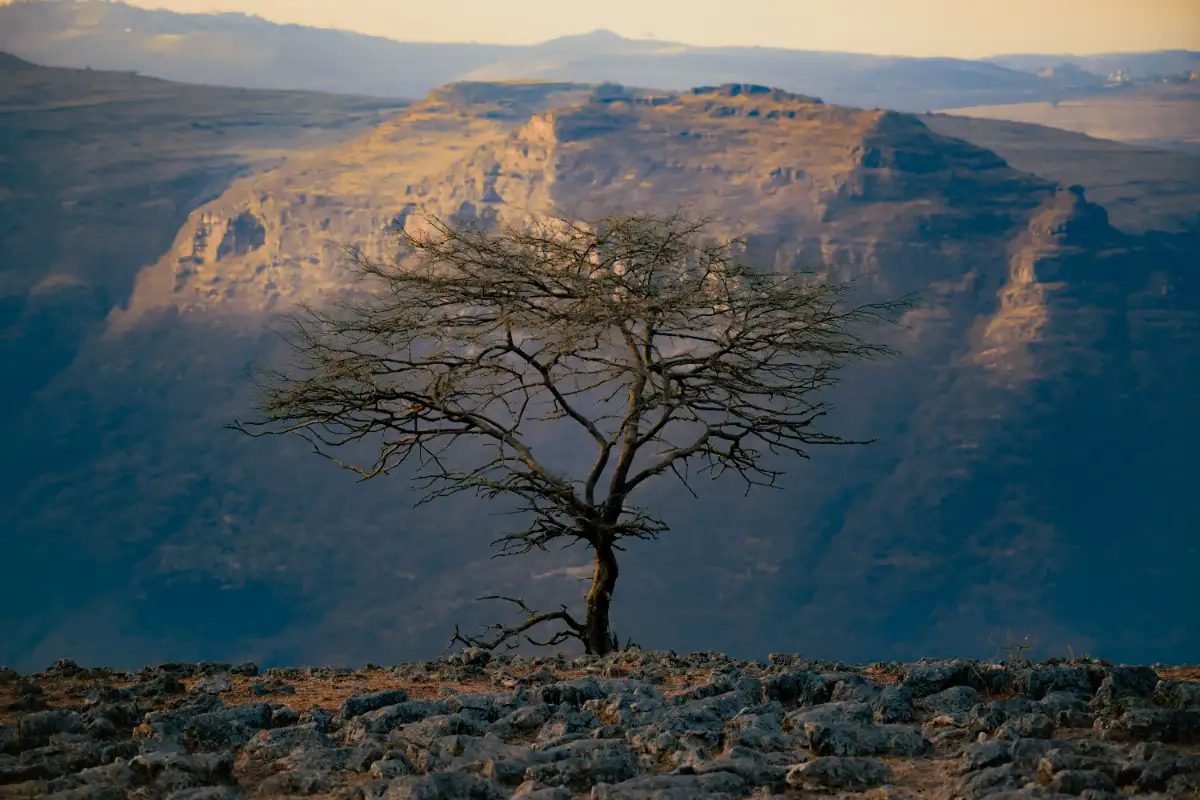
3. The Simien Mountains — Ethiopia's Roof and One of Africa's Greatest Treks
The Simien Mountains in the Amhara Region of northern Ethiopia are the most dramatic mountain landscape in Africa north of Kilimanjaro, a plateau edge of vertical escarpments dropping thousands of metres to the lowlands below, with a high altitude moorland of giant heather, giant lobelia, and open alpine meadows stretching back from the cliff edge across a landscape of extraordinary beauty and biological uniqueness.
The Simien Mountains National Park, a UNESCO World Heritage Site, is the primary habitat of the Gelada baboon, a species found only in the Ethiopian highlands and the world's only grazing primate, whose social complexity and communication sophistication makes observing them one of the most absorbing wildlife experiences in Africa. The park is also the primary habitat of the Walia ibex, an endemic mountain ungulate found only in the Simien cliffs, and provides habitat for the Ethiopian wolf.
The Simien trek typically runs from three to seven days, ascending through the highland plateau between Sankaber and the peaks of Ras Dashen, at 4,550 metres the highest point in Ethiopia and the fourth highest in Africa. The walking is not technically difficult but the altitude requires acclimatisation and the daily distances are substantial. The reward is a combination of mountain landscape, endemic wildlife, and the specific quality of being in an ecosystem that has been evolving in isolation on its highland island for thousands of years.
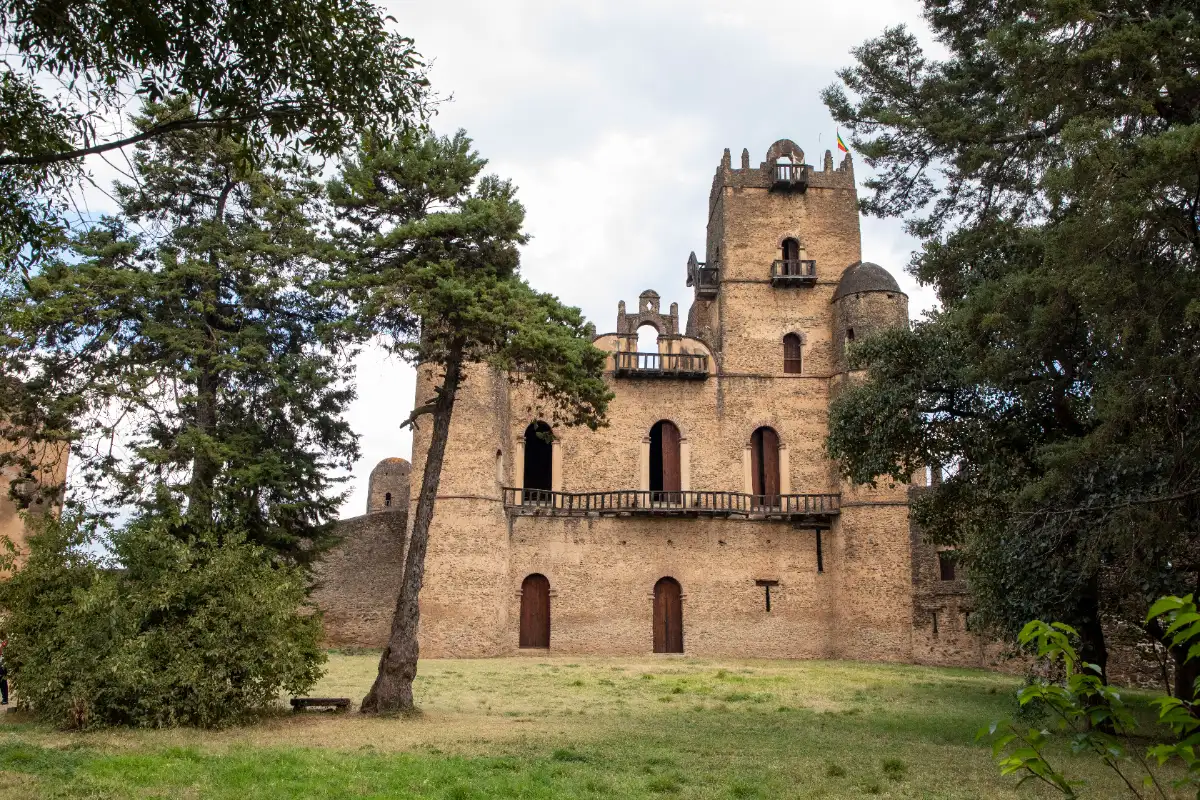
4. Gondar — The Camelot of Africa
The Royal Enclosure of Fasil Ghebbi in Gondar, a UNESCO World Heritage Site, is a compound of castles, palaces, and ceremonial buildings constructed by a succession of Ethiopian emperors in the seventeenth and eighteenth centuries. The architectural style is entirely specific to this time and place: it draws simultaneously on Portuguese, Indian, and Aksumite architectural vocabulary in a synthesis that belongs to no single tradition and is more original and more surprising than any individual component.
Emperor Fasilides, who founded the compound in 1636, built the first and most imposing castle at its centre. Subsequent emperors added their own structures, creating a complex that grew over a century of royal construction into one of the most architecturally varied and most scenically dramatic historic sites in Africa. The Fasilides Bath, a ceremonial bathing pool used during the annual Timkat festival celebrating Ethiopian Orthodox Epiphany, fills with water for the celebration each January in a ceremony attended by thousands of white robed worshippers.
The town of Gondar itself, once the imperial capital of Ethiopia, retains a historical atmosphere in its older quarters that the more touristy areas of the country's historical circuit do not always preserve. The Debre Berhan Selassie Church, with its ceiling entirely covered in the painted faces of Ethiopian angels staring down at visitors from every angle, is one of the most visually striking single interior spaces in Ethiopia.
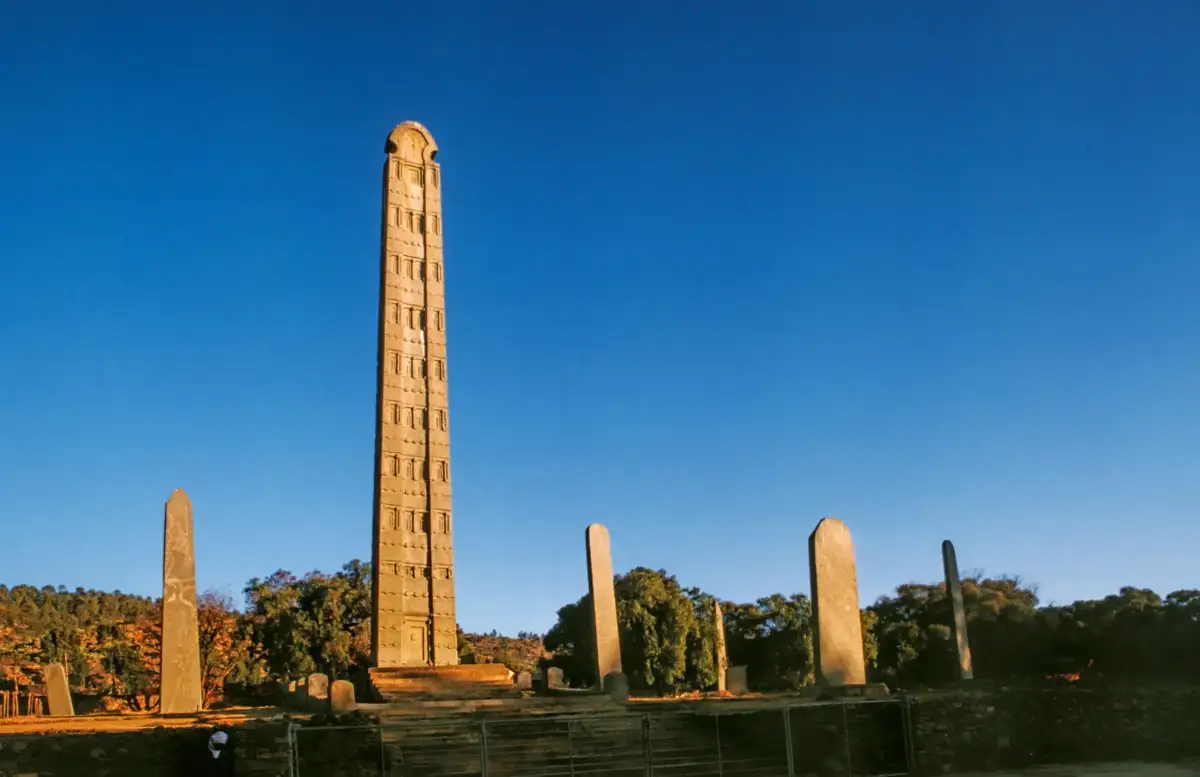
5. Axum — Where Ethiopian History Begins
Axum in the Tigray Region is the ancient capital of the Aksumite Empire, one of the major powers of the ancient world, which controlled trade routes between the Roman Empire and India from the first century BCE through the eighth century CE. At its height, the Aksumite Empire was ranked alongside Rome, Persia, and China as one of the four great powers of the ancient world by the third century Persian prophet Mani.
The most visible legacy of Axum is its obelisks, or stelae, enormous monolithic granite towers carved and erected as grave markers for the Aksumite royal dynasty. The largest originally standing stele, now collapsed, would have reached 33 metres. The Obelisk of Axum, which was removed to Rome by Mussolini's forces in 1937 and returned to Ethiopia in 2008 after a decades long diplomatic campaign, stands at 24 metres and its return is one of the most significant recent repatriations of stolen cultural property in African history.
The Church of Saint Mary of Zion in Axum is, according to Ethiopian Orthodox Christian tradition, the repository of the original Ark of the Covenant brought from Jerusalem by Menelik I, the son of King Solomon and the Queen of Sheba. The Ark is kept in the Chapel of the Tablet adjacent to the main church and is accessible only to the monk appointed as its guardian. The claim is unverifiable and the theological and historical discussions it generates are among the most fascinating conversations available anywhere on the Ethiopian historical circuit.
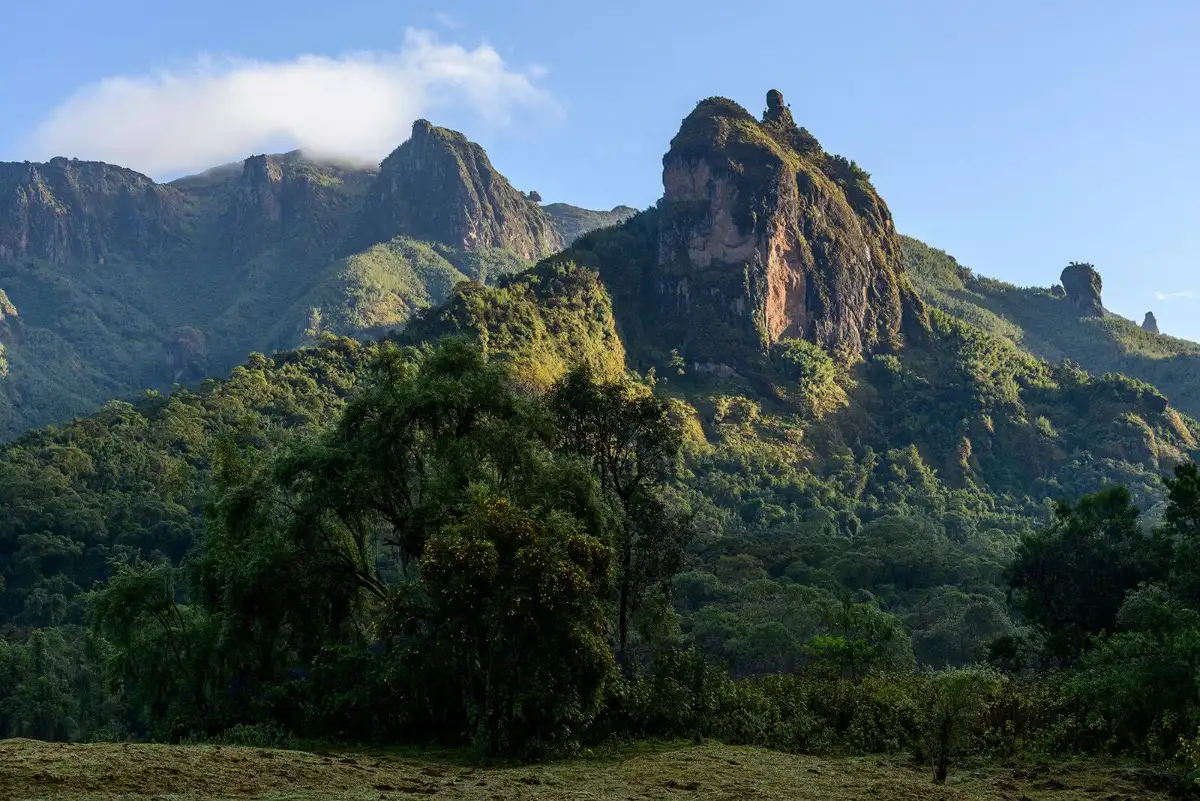
6. The Bale Mountains — Where the Ethiopian Wolf Hunts
The Bale Mountains National Park in southern Ethiopia contains the largest remaining population of the Ethiopian wolf, Africa's most endangered carnivore, in the world. Approximately 500 Ethiopian wolves survive globally, with the Bale Mountains population of around 350 to 400 individuals representing the species' last significant stronghold. The wolf is endemic to the Ethiopian highlands and its IUCN Red List status is Endangered, with disease transmission from domestic dogs being the primary current threat to the remaining population.
The Sanetti Plateau in the Bale Mountains, at approximately 4,000 metres above sea level, is the primary Ethiopian wolf hunting ground. The wolves prey almost exclusively on the giant mole rat, an improbable looking rodent that lives in vast colonies beneath the plateau surface, and watching a wolf hunt on the Sanetti plateau at dawn, the animal moving through the morning mist in the patient, methodical way of a predator that knows exactly where its prey is and exactly how to reach it, is one of the most specific and most quietly extraordinary wildlife encounters in Africa.
The Bale Mountains also contain the largest Afromontane forest in Africa, the Harenna Forest, which descends the southern slopes of the range in a botanical richness that includes coffee trees, wild olives, and a canopy inhabited by black and white colobus monkeys and the endangered Bale monkey, which is found only in this forest.
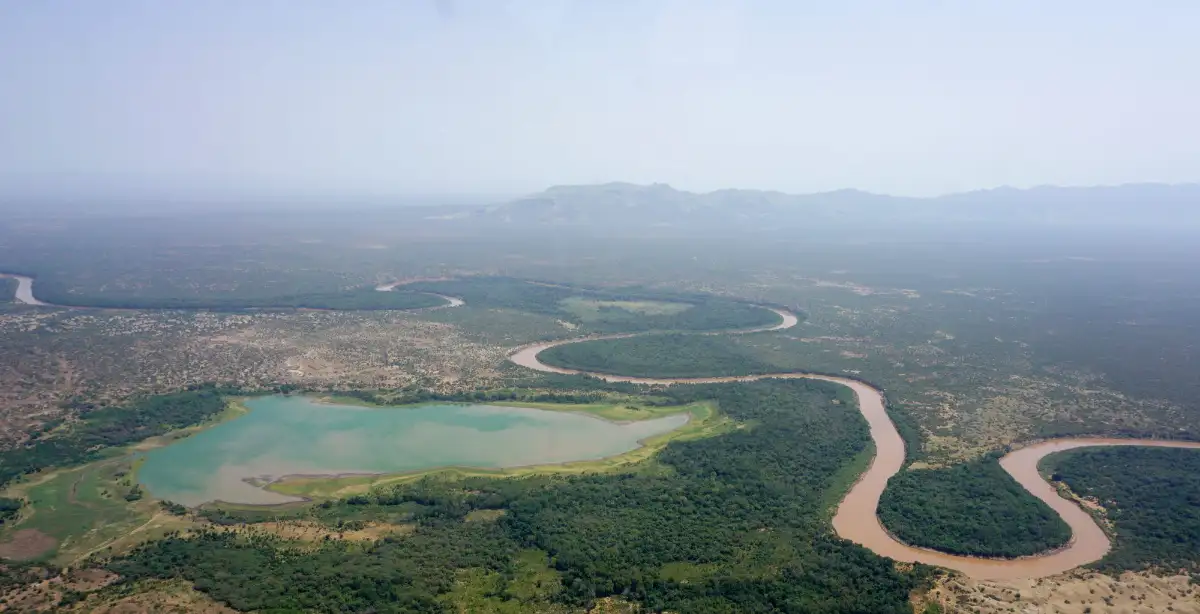
7. The Omo Valley — The World's Most Ethnographically Complex Accessible Region
The lower Omo Valley in southwestern Ethiopia, where the Omo River approaches its terminus at Lake Turkana, contains over 20 distinct indigenous ethnic communities living within a relatively small geographic area in a cultural complexity that has no accessible equivalent anywhere in the world. The Mursi, known for the clay lip plates worn by women as a marker of social status and identity. The Hamar, whose bull jumping initiation ceremony for young men is one of the most dramatic coming of age rituals in Africa. The Karo, who produce body painting of extraordinary artistic quality from natural pigments. The Dassanech, the Arbore, the Banna, the Ari, and a dozen other communities, each with its own language, its own dress code, its own ceremonial calendar, and its own specific relationship to the land it occupies.
Visiting the Omo Valley responsibly requires an operator with genuine community relationships rather than one running extractive cultural tours that benefit only the intermediary. The distinction between a visit that provides genuine economic benefit to the community and a visit that treats residents as photo subjects is visible within the first five minutes and should be the primary consideration when choosing an Omo Valley operator.
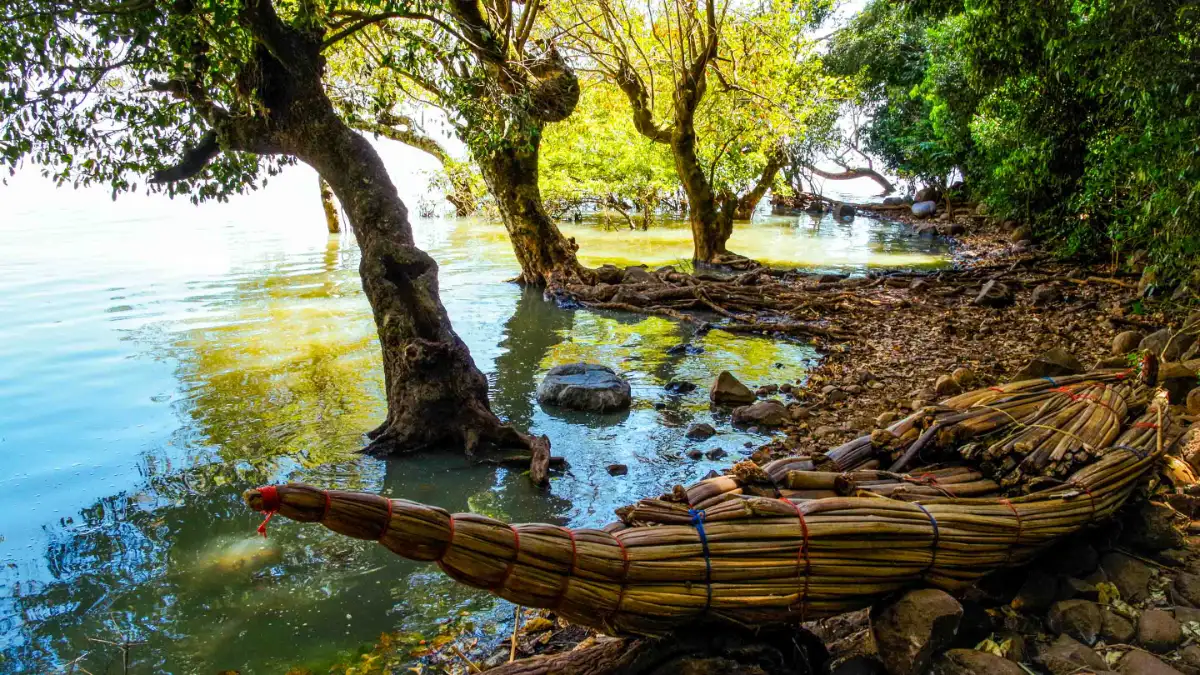
8. Lake Tana and Its Island Monasteries
Lake Tana in the Amhara Region is the largest lake in Ethiopia and the source of the Blue Nile, which begins as a modest outflow at the lake's southern end before gathering momentum through the Tis Issat waterfall system and eventually contributing approximately 85 percent of the Nile's total water volume at Khartoum. The lake contains 37 islands, 20 of which support ancient Ethiopian Orthodox monasteries and churches, some dating from the fourteenth and fifteenth centuries, whose isolation on the lake islands protected them from the destruction that swept through mainland Ethiopian religious sites during the wars of Ahmad ibn Ibrahim al Ghazi in the sixteenth century.
The monasteries are accessible by motorised wooden boat from the city of Bahir Dar at the lake's southern end and the combination of the lake crossing, the forested island landing, and the interior of an ancient monastery decorated with Ethiopian Orthodox murals depicting saints and biblical narratives in a painting style that is vivid, specific, and unlike any other Christian artistic tradition, is one of the most complete morning experiences available in the north of the country.
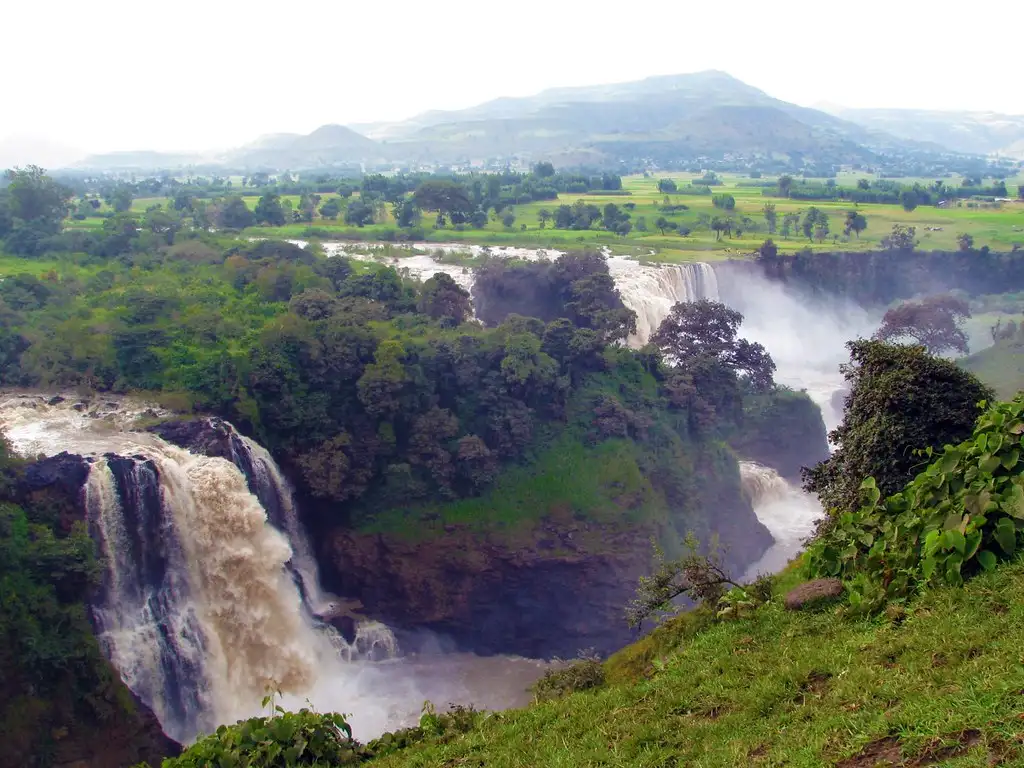
9. The Tis Issat Falls — The Smoke of Fire
The Tis Issat Falls on the Blue Nile, approximately 30 kilometres from Bahir Dar, translate from Amharic as the smoke of fire, and in the wet season when the Blue Nile is running at its maximum volume and the falls drop 45 metres into the gorge below in a curtain of water wide enough to generate its own weather system of spray and rainbow and noise, the name is entirely accurate. The falls are one of the most dramatic waterfalls in Africa and are significantly less visited than their scale would suggest because they sit slightly off the main tourist circuit between Bahir Dar and Gondar.
10. The Afar Triangle and Awash National Park
The Afar Triangle where Ethiopia, Eritrea, and Djibouti meet is one of the most geologically significant regions on earth: the place where the African and Arabian tectonic plates are actively separating and a new ocean basin is slowly forming. The Awash National Park in the Ethiopian portion of this zone protects a section of the Rift Valley floor with extraordinary wildlife including oryx, Soemmering's gazelle, Defassa waterbuck, and the Awash River itself, which runs through the park in a series of gorges and falls before disappearing into the desert at Lake Abbe.
The Awash Valley is also the site of the most significant palaeontological discoveries in Africa. The Hadar Research Area within the valley is where Donald Johanson and Tom Gray discovered Lucy, the 3.2 million year old Australopithecus afarensis, in 1974. The specific location where Lucy was found is accessible and visiting it with a guide who understands the palaeontological significance of the Awash Valley is one of the most specifically affecting origin of species encounters available to a traveller anywhere on earth.
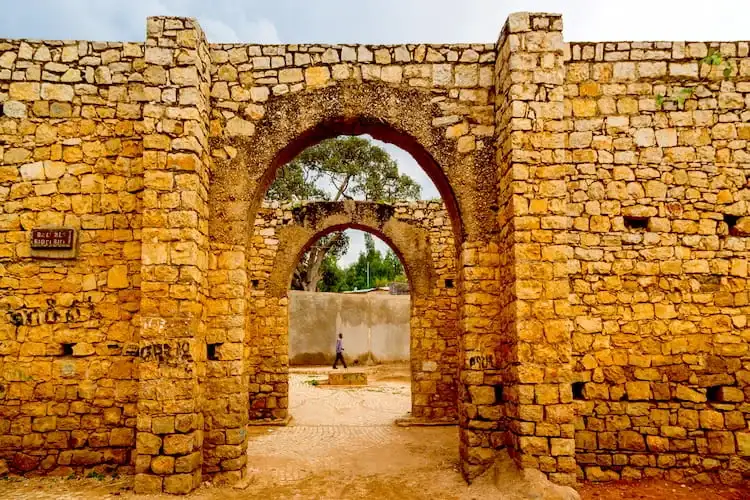
11. Harar — The Walled City of 99 Mosques
Harar in eastern Ethiopia is the fourth holiest city in Islam after Mecca, Medina, and Jerusalem, according to the Harari tradition, and one of the most perfectly preserved Islamic walled cities in the world. The old city, Jugol, is enclosed within a medieval wall and contains 99 mosques in approximately one square kilometre, an urban density of sacred space that is extraordinary even by the standards of the world's most intensely religious cities.
The lanes of Jugol are narrow and labyrinthine in the way of medinas across the Islamic world but with an architectural character that is entirely specific to this place: the Harari house, with its distinctive interior walls of woven baskets and ceremonial objects, is a domestic design tradition unlike anything in North Africa or the broader Islamic world.
The most famous evening activity in Harar is feeding the wild spotted hyenas that have been coming to the city walls for generations. The Hyena Men of Harar, local men who have maintained a feeding relationship with the hyena clans that den outside the city wall, have been performing this ceremony for paying visitors for decades. Watching a spotted hyena take raw meat from a stick held in a person's mouth at close range, in the torchlit darkness outside a thousand year old city wall, is an experience whose strangeness and whose intimacy produce an evening that most Harar visitors describe as the one they find most difficult to explain to people who were not there.
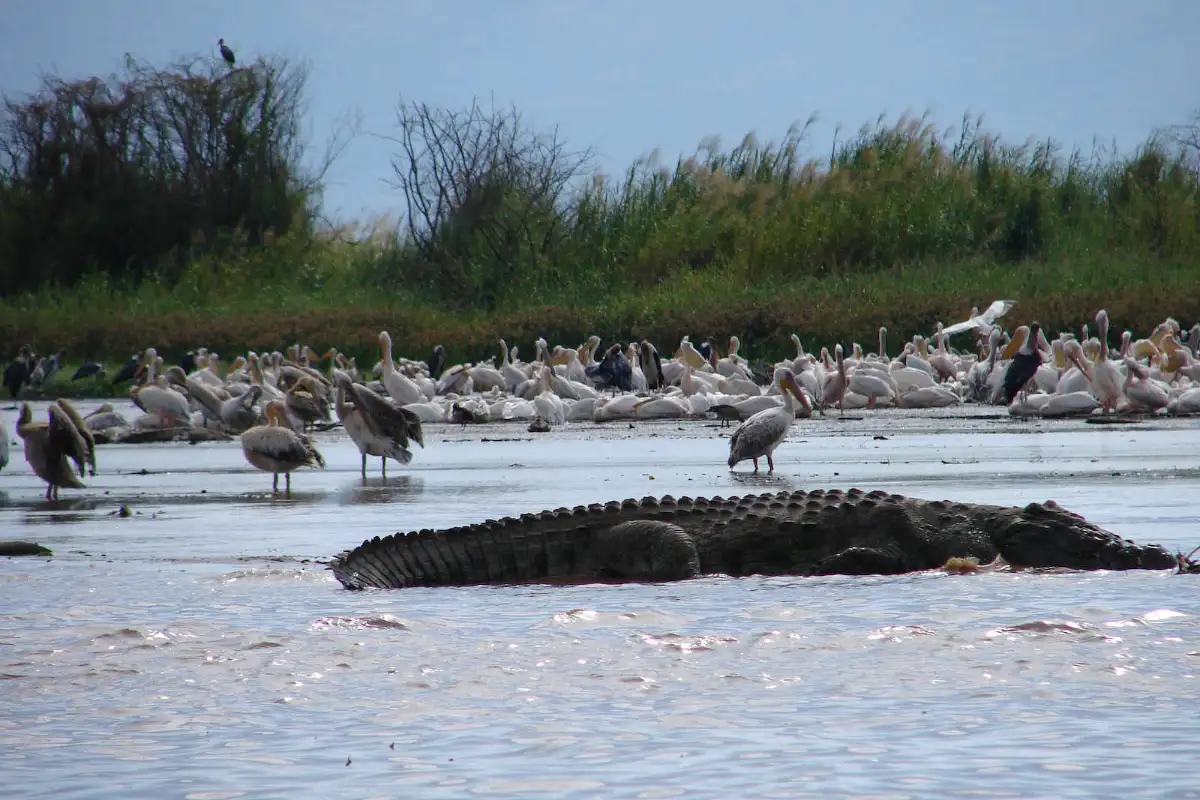
12. The Rift Valley Lakes — A Chain of Flamingo and Wildlife
The Ethiopian section of the Great Rift Valley contains a chain of lakes running south from Addis Ababa that are collectively among the most productive wildlife and birdlife environments in East Africa. Lake Ziway, Lake Abiata, Lake Shala, Lake Langano, and Lake Awasa each have distinct characters and distinct wildlife profiles.
Lake Abiata and Lake Shala are the most spectacular for flamingos, with the alkaline chemistry of Abiata supporting feeding populations of up to 500,000 Lesser Flamingos in season. Lake Shala's deep geothermal lake contains hot springs at its southern shore and supports breeding colonies of Great White Pelican in numbers that make it the most productive pelican breeding site in East Africa. Lake Langano, the only swimmable lake in the Rift Valley system, offers the rare combination of safe freshwater swimming, excellent birding, and a resort atmosphere that provides a specific relief from the intensity of the historical circuit.
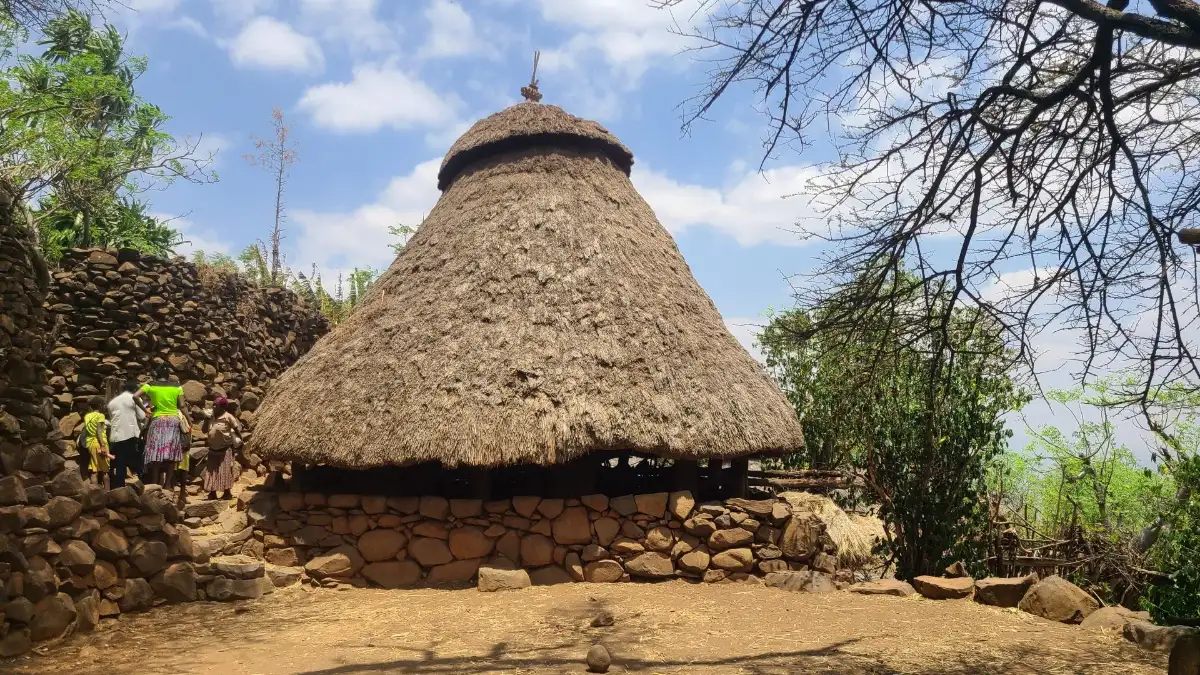
13. The Konso Cultural Landscape
The Konso Cultural Landscape in southern Ethiopia is a UNESCO World Heritage Site protecting a series of fortified hilltop towns built by the Konso people over approximately 400 years of continuous construction and habitation. The Konso are remarkable for their terraced agricultural system, which has transformed the rocky slopes of their territory into productive farmland through centuries of stone wall construction and soil management of extraordinary precision.
The Konso are also known for their waqa poles, carved wooden grave markers erected above the graves of community leaders and their enemies, the figures ranged in a hierarchy of size and decoration that constitutes a visual record of the community's historical achievements. The waqa poles are one of the most unique cultural traditions in Ethiopia and the Konso villages are among the most completely preserved examples of traditional Ethiopian community architecture accessible to visitors.
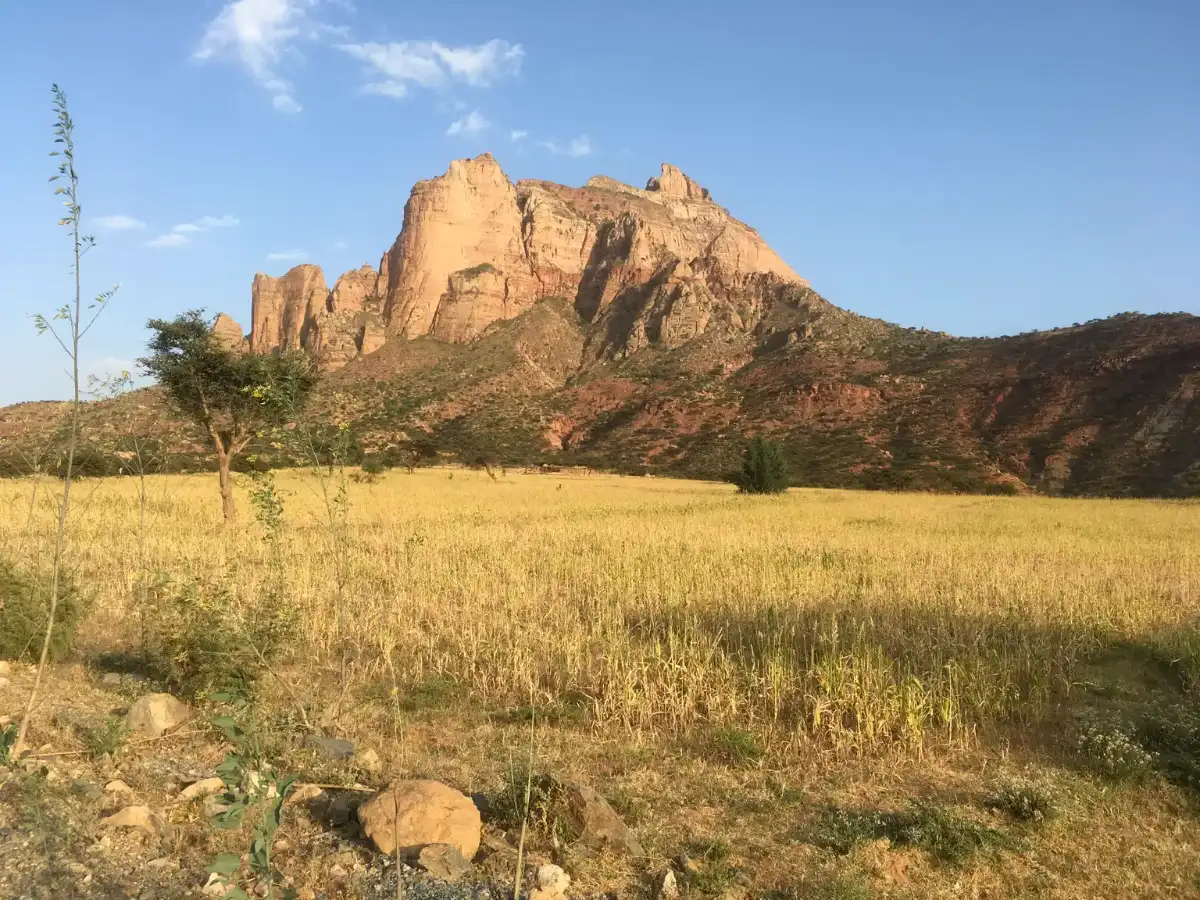
14. The Borena Region and the Singing Wells
The Borena people of southern Ethiopia near the Kenyan border have developed one of the most elaborate water management systems in pastoral Africa: a network of ancient wells dug to depths of up to 30 metres in the floor of dry riverbeds, from which cattle are watered in chains of human labour that involve dozens of men standing in the well shaft passing water in hand carved wooden buckets up to the surface. The entire operation is conducted in song, the specific melodies coordinating the timing of the chain in a musical tradition that has been continuous for generations and that produces a sound unlike anything in recorded Ethiopian music.
Visiting the Borena singing wells with a guide who has the community relationships to facilitate access is one of the most specifically unusual and most affecting experiences available in southern Ethiopia and one that almost no international visitor includes in their itinerary.
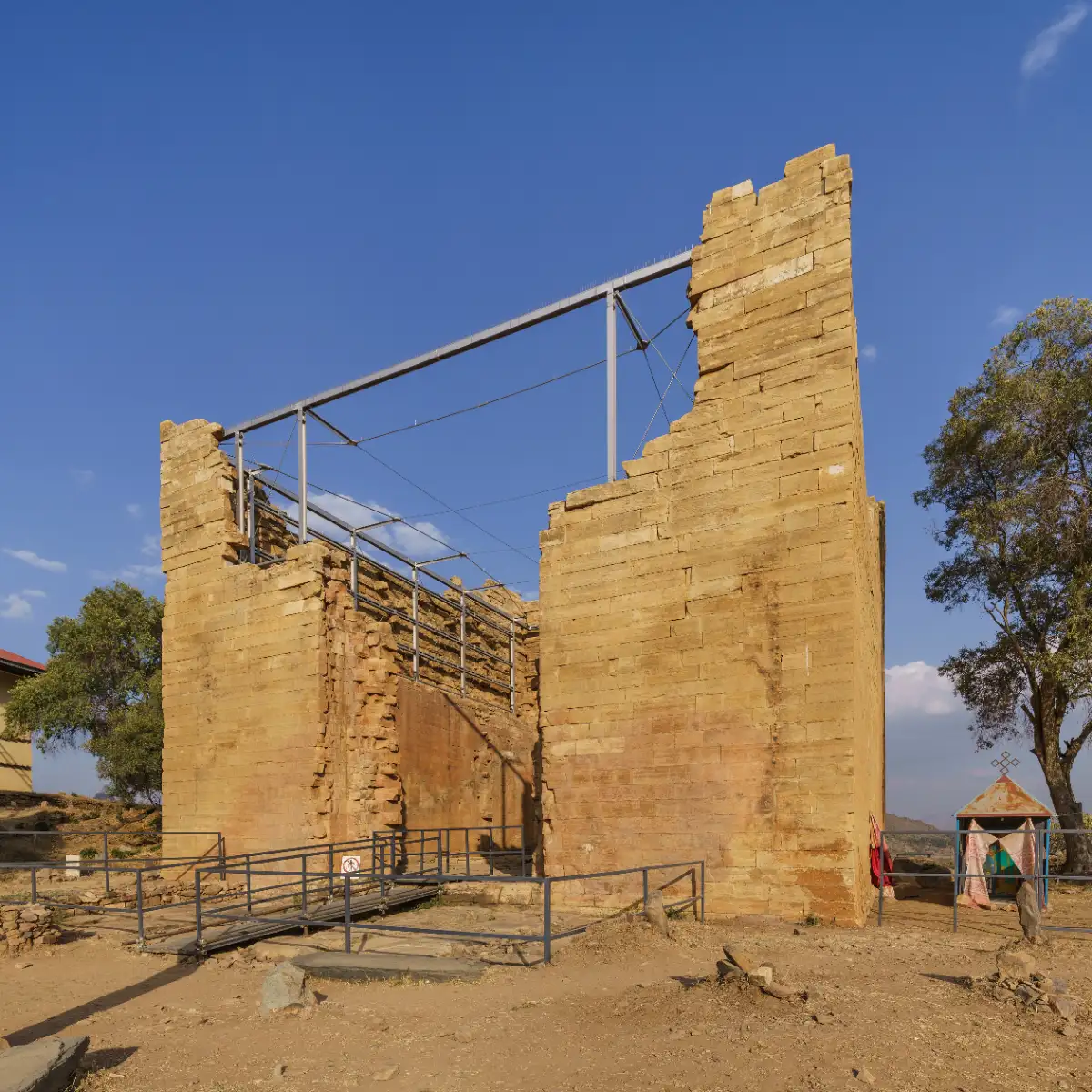
15. Yeha — Ethiopia's Oldest Standing Structure
The Temple of the Moon at Yeha in the Tigray Region, dating from approximately 700 to 400 BCE, is the oldest standing structure in Ethiopia and one of the oldest in Africa. The temple was built by the pre Aksumite D'mt civilisation whose cultural and commercial connections with Sabaean South Arabia produced an architectural tradition of remarkable sophistication. The ruined walls, still reaching approximately 12 metres in their preserved sections, are built from precisely fitted large sandstone blocks without mortar in a construction technique of extraordinary quality.
Yeha is approximately 60 kilometres from Axum and is most often visited as a half day excursion from that city. It receives fewer than a thousand international visitors per year and the experience of standing among the ruins of a building that was already ancient when the Roman Empire was new, with no other visitors visible and no infrastructure between you and the site, has a quality of temporal displacement that the more visited sites of the historical circuit, for all their magnificence, cannot fully replicate.
16. The Tigray Rock Churches
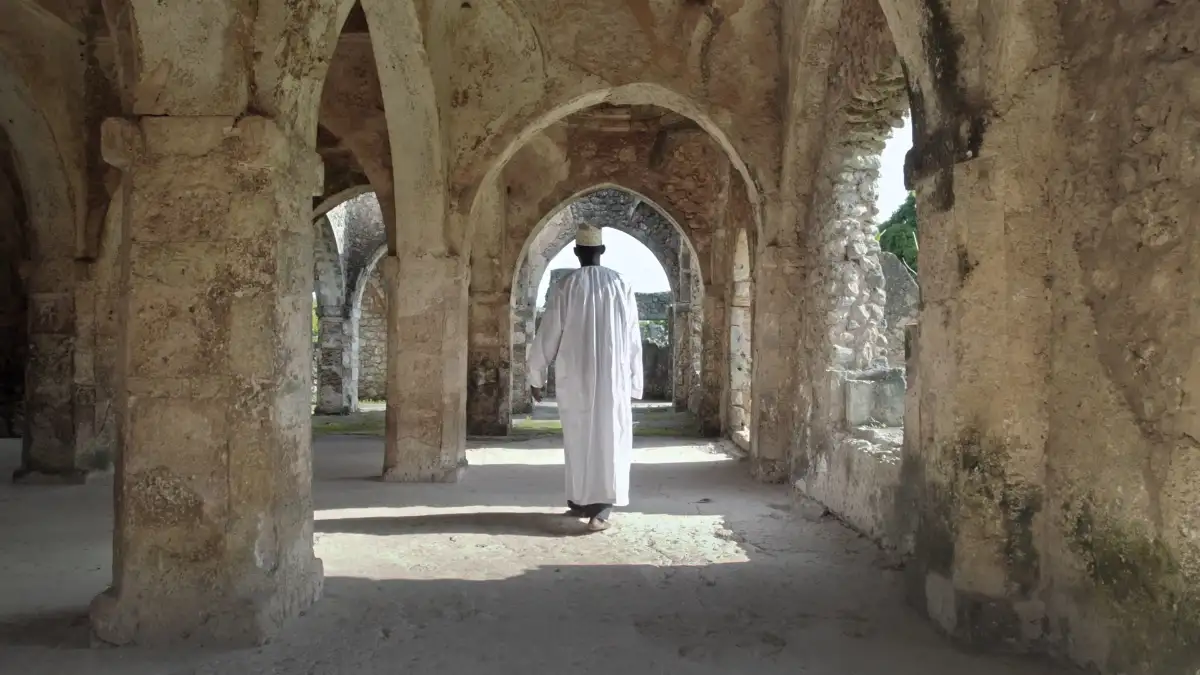
The Tigray Region of northern Ethiopia contains over 120 rock hewn churches carved into cliff faces across the landscape, many of which predate the Lalibela churches and some of which are accessible only by free climbing the cliff face to reach their entrance, with no via ferrata installation or safety equipment. The Abuna Yemata Guh church, carved into a cliff at approximately 2,580 metres above sea level and requiring a 45 minute scramble including two cliff face traverses with sheer drops below, contains some of the finest early Ethiopian fresco painting in existence, preserved by the cliff face's shelter from weather.
The Tigray churches are, collectively, one of the most extraordinary sacred landscapes in the world and one of the most genuinely physically demanding visitor experiences in Africa. They require a guide who knows the specific approach routes, a reasonable level of physical fitness, and a specific comfort with heights. The reward is the combination of athletic achievement, extraordinary historical art, and the complete absence of tourist infrastructure that makes the encounter feel genuinely discovered.
17. The Danakil Salt Flats and the Afar Salt Caravans
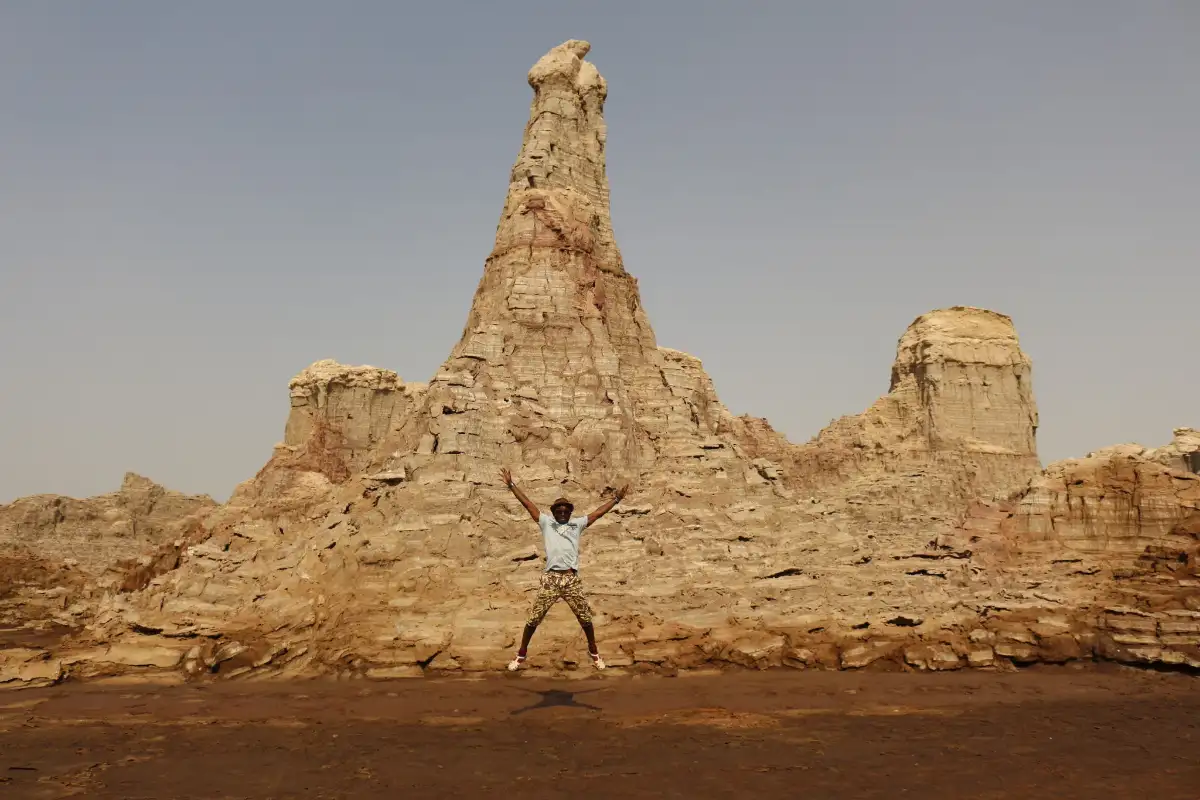
The Danakil salt flats at the base of the depression, where ancient seabed deposits have produced a surface of white salt that stretches to the horizon in conditions of extreme heat and surreal visual clarity, are worked daily by Afar and Tigrinya salt miners who cut rectangular blocks from the surface using hand tools and load them onto camels and donkeys for the journey to the highland markets. This salt trade has been running continuously for centuries and is one of the oldest and most specific commercial traditions still operating in traditional form in Africa.
The sight of a salt caravan of a hundred camels moving through the white Danakil landscape in the early morning, when the temperature is still below forty degrees and the low sun turns the salt surface gold, is one of those specific visual experiences that the mind stores without effort and retrieves without degradation for the rest of a life.
18. Addis Ababa Beyond the Hotels
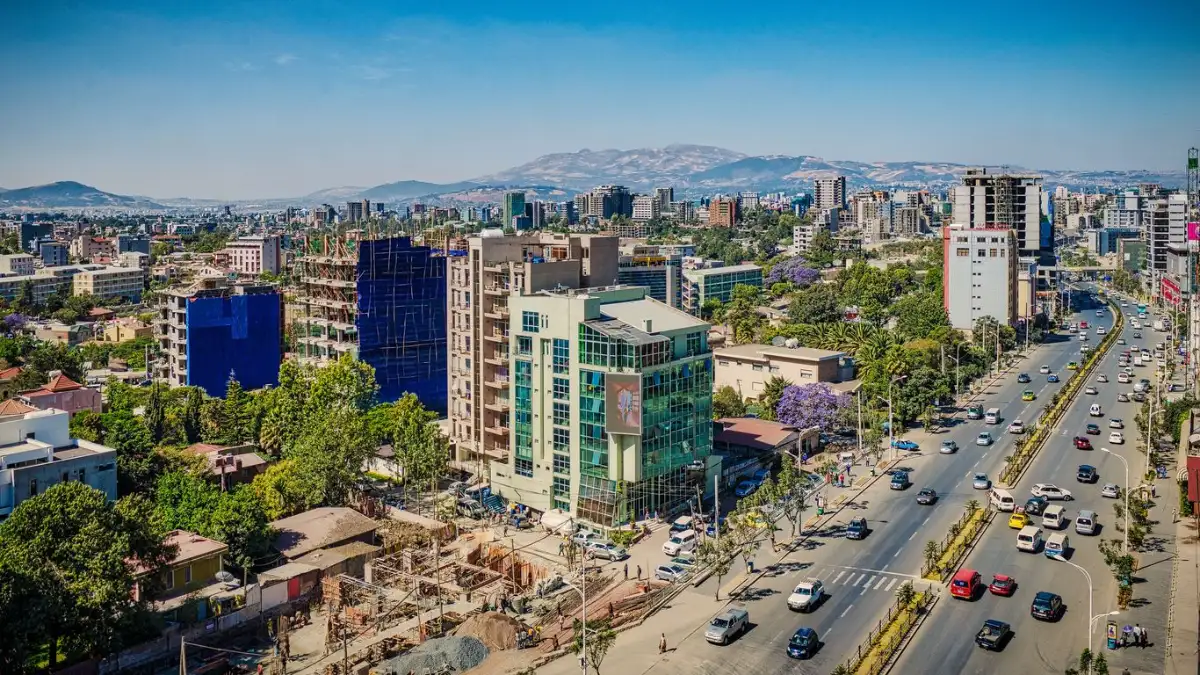
Addis Ababa is the diplomatic capital of Africa, the seat of the African Union, and the fastest growing city on the continent. Most visitors treat it as a transit point and miss: the National Museum with its Lucy fossil, the Holy Trinity Cathedral where Haile Selassie is buried and where the grave of Sylvia Pankhurst sits among the imperial tombs in an improbable but entirely documented historical intersection, the Merkato which is the largest open air market in Africa and an entire economic city within a city, the Piazza neighbourhood with its Italian colonial architecture absorbed into Ethiopian urban identity, and the coffee ceremony culture that runs through the city's social life like a structural element.
Addis rewards two to three days of proper engagement. The traveller who treats it as a transit city comes home without the version of Ethiopia that its capital contains.
19. The Bale Mountains Harenna Forest
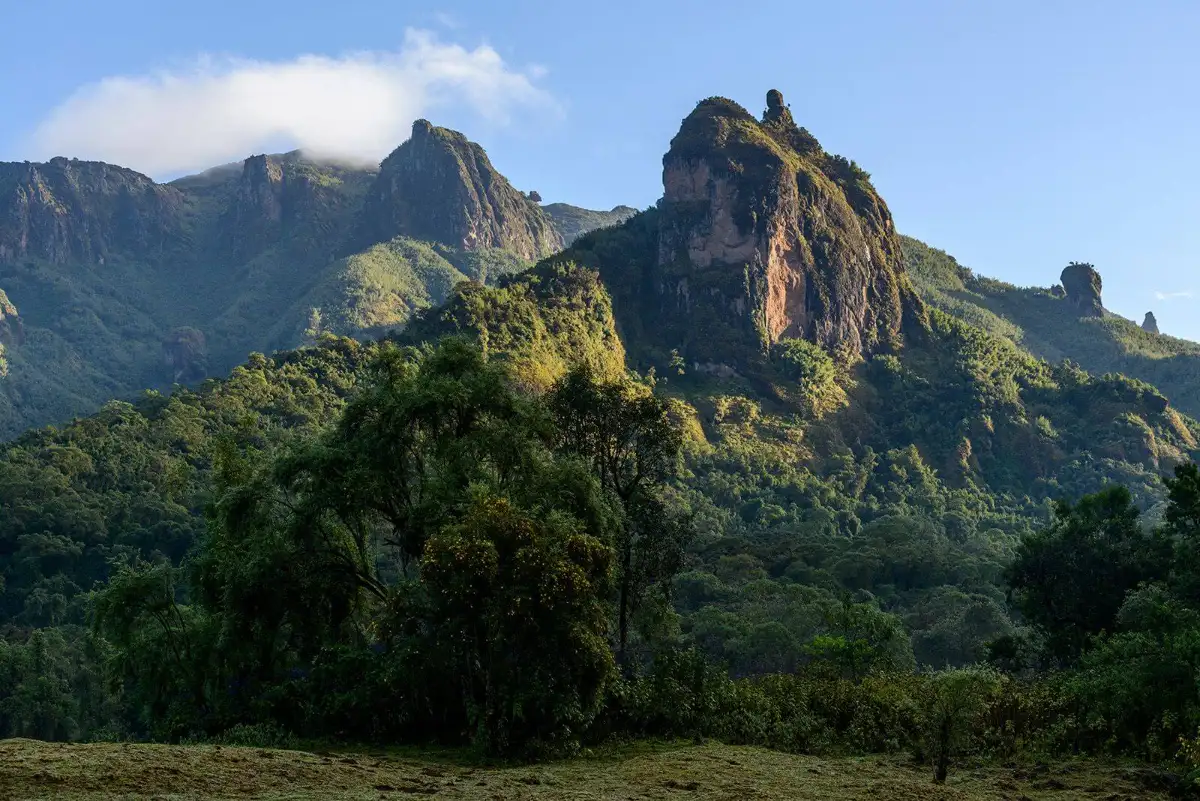
The Harenna Forest on the southern slopes of the Bale Mountains is the largest montane forest in Africa and one of the most biodiverse in the continent. The forest descends from the Sanetti Plateau at 4,000 metres to the lowland forest floor at approximately 1,500 metres through a continuous altitudinal gradient of vegetation that includes bamboo forest, podocarpus trees, wild coffee in its natural forest habitat, and a canopy of figs, wild olive, and endemic tree species that exists nowhere else on earth.
Wild coffee was first documented growing in the Kaffa region of Ethiopia but the Harenna Forest also contains significant wild arabica coffee populations growing in their natural forest setting, which means that walking the Harenna Forest with a guide who can identify the plants is a literal coffee origin experience: standing under the tree whose genetic ancestor produced the cup that most of the world begins its morning with.
20. The Tiya Megaliths
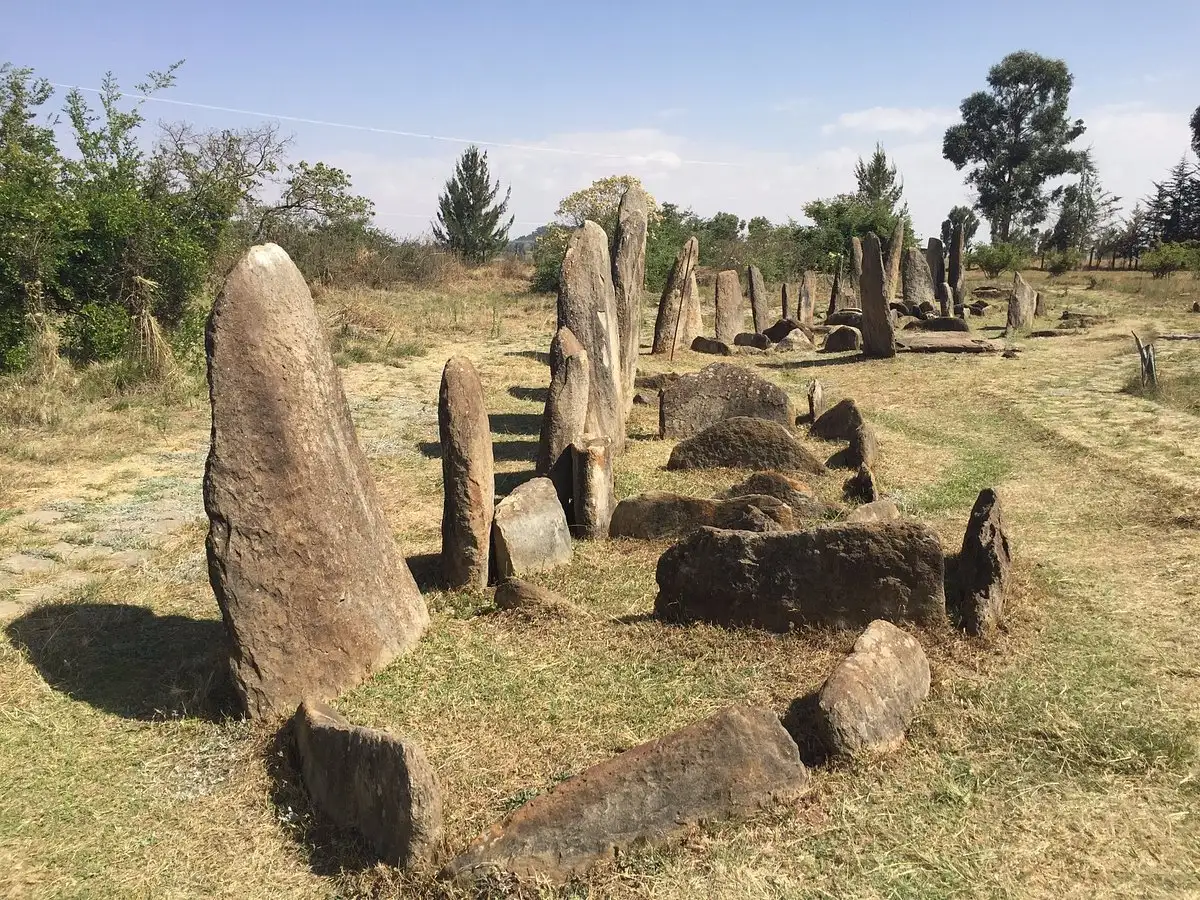
The Tiya archaeological site in the Gurage Zone of the Southern Nations Region contains 36 carved standing stones erected approximately 700 years ago by a pre Christian, pre Islamic culture whose identity is not fully established by current archaeology. The largest standing stones reach several metres in height and are carved with symbols, primarily sword designs and abstract forms, whose specific meaning remains partially understood. The site is a UNESCO World Heritage Site and is one of the most important megalithic sites in Africa.
Tiya receives very few international visitors relative to its archaeological significance and the experience of standing among these carved stones on the flat plain with no other visitors visible has a quality of stepping into an unresolved historical question that the more famous and more interpreted sites of the historical circuit do not produce.
21. Dire Dawa — The Railway City That Time Stopped
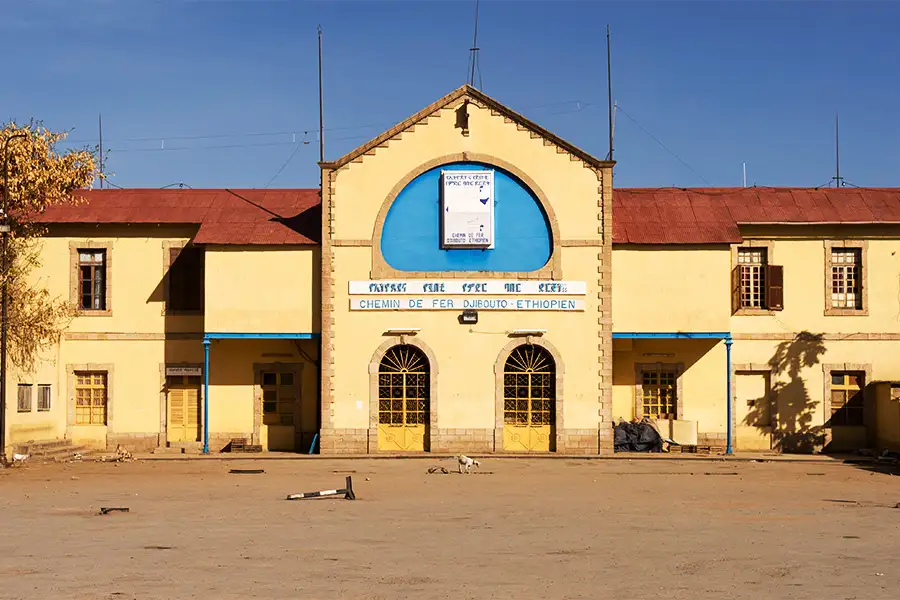
Dire Dawa in eastern Ethiopia was built in 1902 as the terminus of the Franco Ethiopian Railway, the Djibouti to Addis Ababa rail line that was the first modern railway in Ethiopia and the project that turned a colonial era railway camp into a planned city with wide boulevards, colonial architecture, and a cosmopolitan population of French engineers, Somali traders, Ethiopian merchants, and Yemeni businessmen. The result is an urban character unlike anywhere else in Ethiopia: the old town of Kezira retains its colonial architecture with remarkable completeness and the commercial and social culture of the city reflects its specific origin as a deliberately multicultural trading junction.
The railway that built the city no longer operates at full capacity but the station building, the old European quarter, and the Merkato district that evolved around the rail economy remain as a complete urban fossil of a specific and unrepeated moment in East African urban development.
Everything You Need to Know Before Visiting Ethiopia
Best Time to Visit Ethiopia
The best time to visit Ethiopia for the historical circuit and the major highland destinations is the dry season from October through May. The main rainy season runs from June through September and while the landscape is extraordinarily beautiful in the rains, the road access to remote sites including the Danakil, many Tigray churches, and the southern Omo Valley is significantly compromised.
October and November are particularly recommended as the post rainy season months when the vegetation is green from the rains, the roads are drying out, and the sky above the highlands is clear in a way that produces photography conditions of exceptional quality. The Ethiopian Christmas, Genna, celebrated on January 7, and the Timkat festival celebrating Epiphany in mid January are the most atmospheric times to be in Lalibela and Gondar respectively.
The Danakil is most commonly visited between October and March when the temperatures, while extreme, are at their most manageable. Visiting the Danakil between June and August when temperatures regularly exceed 50 degrees Celsius at the surface is not recommended.
Getting Around Ethiopia
Ethiopian Airlines is the national carrier and one of the most highly rated airlines in Africa, operating an extensive domestic route network that connects Addis Ababa to Lalibela, Axum, Gondar, Bahir Dar, Dire Dawa, Jimma, Arba Minch, and a range of smaller regional airports. For travellers covering multiple historical circuit sites, the domestic flight network is essential for managing the distances involved without spending the majority of the trip in a vehicle.
Road travel between destinations is viable and in some cases specifically rewarding for the landscape it traverses but adds significant time to any itinerary. The road between Addis Ababa and Bahir Dar, for example, runs through the Blue Nile gorge in a descent and ascent of approximately 1,000 metres over a dramatic landscape that the flight from Addis does not show. For travellers with time, the combination of flights for the longer transfers and road travel for the shorter and more scenically rewarding legs produces the most complete experience.
Visas, Entry, and Currency
Most international visitors require a visa for Ethiopia, which is available as an e Visa through the Ethiopian e Visa portal online before departure. The Ethiopian Birr is the national currency and USD and EUR are the most practical foreign currencies to carry as backup. ATMs are available in Addis Ababa and the major regional cities but not reliably in smaller towns.
Health Preparation
Malaria prophylaxis is recommended for visits to the Omo Valley, the Awash Valley, the Danakil, Dire Dawa, Harar, and the southern lowland regions. The highland cities of Addis Ababa, Lalibela, Gondar, and Axum are above the malaria risk altitude threshold. Yellow fever vaccination is required for entry if arriving from a country with yellow fever transmission risk. Consult a travel medicine clinic at least four weeks before departure.
Frequently Asked Questions About Visiting Ethiopia
What are the best places to visit in Ethiopia for a first time visitor? For a first time visitor, the essential destinations are Lalibela for the rock hewn churches, Gondar for the royal castles, Axum for the ancient stelae and the Ark of the Covenant tradition, the Simien Mountains for trekking and Gelada baboon encounters, and Addis Ababa for the National Museum and the coffee ceremony culture. This northern historical circuit can be completed in seven to ten days and represents the most historically and culturally dense route available in Ethiopia.
Is Ethiopia safe for tourists? Ethiopia's major tourist destinations are generally safe for international visitors who travel with appropriate preparation and a reputable local operator. The northern historical circuit, Addis Ababa, the Rift Valley lakes, the Bale Mountains, and Harar are regularly and positively experienced by international visitors. The Tigray Region has experienced specific security challenges in recent years and current travel advisories from your government should be consulted before including Tigray sites in your itinerary.
How many UNESCO World Heritage Sites does Ethiopia have? Ethiopia has nine UNESCO World Heritage Sites: the Rock Hewn Churches of Lalibela, the Fasil Ghebbi Royal Enclosure in Gondar, the Simien Mountains National Park, the Aksumite Obelisks, the Lower Valley of the Awash, the Lower Valley of the Omo, Tiya, the Konso Cultural Landscape, and the Gedeo Cultural Landscape. This is the highest number of UNESCO World Heritage Sites of any country in sub Saharan Africa.
What is the best way to see the Danakil Depression? The Danakil Depression must be visited with a licensed tour operator, government permit, and armed escort due to the specific safety requirements of the environment. Tours depart from Mekelle in northern Ethiopia and typically last three to four days. The Erta Ale lava lake is visited at night and the Dallol hydrothermal field is visited in the early morning before the peak heat. Book through a reputable operator with documented Danakil experience and current safety protocols.
What is the Ethiopian coffee ceremony and should I experience it? The Ethiopian coffee ceremony, known as the Bunna Ceremony, is a three round coffee preparation and serving ritual conducted in homes across Ethiopia that functions as a major social institution. Fresh green beans are roasted over charcoal in a flat pan, ground in a wooden mortar, and brewed in a clay jebena pot. The three rounds of coffee, called Abol, Tona, and Baraka, move from strongest to most diluted and each round carries a specific social meaning in Ethiopian culture. Experiencing a home hosted ceremony with a local family rather than a tourist performance version is one of the most genuine and most rewarding cultural experiences available in Ethiopia.
How do I visit the Omo Valley responsibly? Responsible Omo Valley visits require booking through an operator with genuine, long term community relationships who can confirm that the tour fee contributes directly to the communities visited. Ask your operator specifically how the revenue from your visit benefits the community. Choose an operator whose guides are from or are closely connected to the Omo communities rather than operators running extractive cultural tours from a distance. Obtain permission before photographing individuals and follow the operator's specific guidance on appropriate behaviour in each community.
What makes Lalibela special compared to other Ethiopian sites? Lalibela contains eleven monolithic rock hewn churches carved directly from the volcanic mountain in the twelfth and thirteenth centuries, making it the largest collection of monolithic architecture in the world. The churches are still active places of worship, the site is a UNESCO World Heritage Site, and the combination of architectural ambition, religious continuity, and visual drama makes it the most significant single site in Ethiopia and one of the most extraordinary religious sites in the world. It is widely described as Africa's most astonishing human construction.
Is the Simien Mountains trek suitable for non professional hikers? Yes, with appropriate preparation. The Simien Mountains trek is not technically difficult in terms of climbing skill but the altitude, reaching above 4,000 metres at the Sanetti area and approaching 4,550 metres at Ras Dashen, requires acclimatisation and fitness. A moderate level of hiking fitness, appropriate footwear, warm layers for cold nights, and a minimum of two to three days of gentle altitude acclimatisation in Addis Ababa before the trek are the primary practical requirements. Guides, scouts, and pack animals are mandatory and are arranged through the park headquarters at Debark.
What is unique about Ethiopian Orthodox Christianity? The Ethiopian Orthodox Tewahedo Church is one of the oldest Christian denominations in the world, tracing its origin to the conversion of King Ezana of the Aksumite Empire in the fourth century CE. The church maintains distinctive practices not found in other Christian traditions, including Saturday Sabbath observance, dietary laws similar to Jewish kosher practice, the veneration of the Ark of the Covenant, and a liturgy conducted in Ge'ez, the ancient Semitic language of the Aksumite Empire. The specific combination of its antiquity, its African origin, and its distinctive theology makes Ethiopian Orthodox Christianity one of the most theologically interesting Christian traditions in the world.
How long should I spend in Ethiopia? A minimum of seven to ten days is required to cover the northern historical circuit including Lalibela, Gondar, Axum, and Addis Ababa with appropriate depth. Fourteen to eighteen days allows the inclusion of the Bale Mountains, the Rift Valley lakes, and Harar. A full month allows a more complete circuit including the Omo Valley, the Danakil, and the southern cultural sites. Ethiopia rewards longer stays more than almost any other African destination.
Book Your Ethiopia Experience Through Plan My Experiences
Why Local Knowledge Changes Everything in Ethiopia
Ethiopia is the African destination where the gap between visiting and understanding is widest and most consequential. The rock churches of Lalibela are visually extraordinary to any visitor. They are historically and liturgically profound only in the presence of a guide who can explain the symbolic programme of the carvings, identify the specific saints depicted in the frescoes, read the Ge'ez inscriptions above the doorways, and introduce you to the priests who have been guardians of these spaces for decades.
The Omo Valley is visually astonishing to any camera. It is culturally intelligible only in the presence of a guide with genuine community relationships who can translate not just language but the specific social dynamics of the community you are visiting, the ceremonial calendar that determines what is happening on the day you arrive, and the specific protocols that make the difference between a visit that benefits the community and one that merely records its surface.
Plan My Experiences is the premier African travel marketplace connecting international travellers directly with the most knowledgeable, community embedded, and locally expert guides and operators across Ethiopia and the wider African continent. Every operator listed on the platform has been assessed for genuine local knowledge, community benefit, and the operational quality that transforms a visit into an understanding.
How Travellers Discover and Book Ethiopia Experiences Through Plan My Experiences
Visit the Plan My Experiences website and search by destination or experience type. The platform surfaces local operators across every Ethiopian destination covered in this guide: Lalibela church tours led by historically qualified guides, Simien Mountains trekking operators with current trail knowledge, Danakil Depression specialists with documented safety protocols, Omo Valley operators with verified community partnerships, Addis Ababa coffee ceremony hosts offering genuine home ceremonies rather than tourist performances, and full itinerary design specialists who can connect the 21 destinations in this guide into a coherent, logistically managed route.
Every listing includes transparent pricing, full operator descriptions written by the operator rather than by an aggregator's editorial team, and verified reviews from travellers who completed the experience through the platform. You communicate directly with your guide before booking. You arrive in Ethiopia knowing specifically who you are travelling with and why that person's knowledge makes the difference between the itinerary you planned and the experience you actually have.
For Ethiopia Tour Operators, Lodge Owners, and Experience Providers
If you lead historical circuit tours, Danakil expeditions, Simien Mountain treks, Omo Valley cultural experiences, coffee ceremony home visits, Bale Mountains wildlife drives, Harar cultural walks, or any other visitor experience in Ethiopia, Plan My Experiences gives you direct access to the international travellers who are specifically planning the kind of Ethiopia trip described in this guide.
Listing your experience on the platform is completely free. You set your own pricing, manage your own availability, and present your offering in your own voice. Plan My Experiences charges a fair commission only on confirmed bookings. Revenue stays in Ethiopia, in the communities and families and guides whose knowledge of this extraordinary country makes every one of these 21 destinations genuinely worth visiting.
Ethiopia Is the Travel Secret That Will Not Keep Much Longer
Ethiopia has been Africa's open secret for long enough that the window is beginning to close. The Ethiopian Airlines network, which now connects Addis Ababa to more destinations in Africa than any other carrier, is bringing the country within reach of travellers who would not previously have considered it. The infrastructure in Lalibela and Gondar is developing steadily. The international press is beginning to write about the Danakil and the Omo Valley and the Tigray rock churches with a frequency that suggests discovery is arriving.
The 21 places in this guide are all still experienceable in their current, largely undiscovered state. The rock church at Abuna Yemata Guh still requires you to climb to it without safety equipment. The salt caravans of the Danakil still move through the landscape in the same formation they have used for centuries. The singing wells of the Borena still operate in song. The waqa poles of the Konso still stand in the wind on the hilltops of their villages.
"Ethiopia is what Africa was before tourism arrived, which means it is also what Africa will not be for very much longer."
Go now. Go specifically. Book through a local operator who has the community relationships that make the experience genuine. And come home knowing a country whose historical depth, cultural complexity, and geological drama make it one of the most rewarding destinations on the planet for the traveller willing to arrive with the attention it deserves.
Plan your Ethiopia journey through Plan My Experiences. Find your guide. Book the experiences that no generic itinerary includes. And discover the country that the rest of the world is just beginning to notice.