Africa is the second largest continent on earth. It contains 54 internationally recognised countries, more than 1.4 billion people, over 2,000 languages, and landscapes that range from the Sahara Desert to the Congo rainforest to the Skeleton Coast to the beaches of Zanzibar. It contains some of the world's most stable democracies and some of its most volatile conflict zones. It contains cities that rank among the most visited in the world and regions that have not seen a foreign tourist in years.
The question of whether Africa is safe for tourists is therefore not one question. It is 54 questions, each with its own answer, its own nuance, and its own set of conditions that change by season, by political cycle, and by the specific neighbourhood within a specific city that a specific traveller is navigating on a specific Tuesday afternoon.
This guide is the comprehensive, honest, country by country safety assessment that generic travel advisories never provide because they are written by governments for liability purposes rather than by knowledgeable people for the benefit of travellers. It covers the safest countries on the continent, the regions that require genuine caution, the specific risks that apply in the most visited tourist destinations, the universal precautions that reduce risk in every African context, and the expert local knowledge that makes the difference between a trip that is merely cautious and a trip that is both safe and genuinely rewarding.
The short answer: most of Africa is safe for most tourists who travel thoughtfully, prepare properly, and choose their destinations with the same care they would apply to any major international trip. The long answer is everything below.
Key Takeaways
Africa is not a single safety environment. The continent's 54 countries range from among the safest in the world to active conflict zones, and treating them as a single category produces a distorted and unhelpful risk assessment in both directions.
The most visited tourist destinations in Africa, including Morocco, Kenya, Tanzania, South Africa, Botswana, Rwanda, Egypt, Namibia, and Zambia, are generally safe for international travellers who apply standard urban awareness and follow current local guidance.
The primary risks in Africa's most visited tourist destinations are petty theft, vehicle crime, and opportunistic street crime in specific urban areas rather than violent crime targeting tourists specifically.
Malaria is a genuine health risk in large parts of sub Saharan Africa and is the single most significant health threat to most tourists visiting the continent, making pre travel medical preparation as important as any security precaution.
Africa receives approximately 70 million international tourist arrivals annually, making it one of the world's major tourism regions, and the overwhelming majority of these visits are completed without significant safety incident.
Travel insurance including medical evacuation cover is essential for any African trip and is the single most important safety preparation a traveller can make regardless of destination.
The quality of local knowledge, delivered through a vetted local guide or operator, is the most effective safety measure available in any African destination and transforms the visitor experience in ways that no amount of independent research replicates.
The Africa Safety Fact Box
Africa receives approximately 70 million international tourist arrivals per year according to the United Nations World Tourism Organization.
The World Economic Forum Global Travel and Tourism Competitiveness Report ranks Rwanda, Mauritius, Seychelles, Morocco, and South Africa consistently among Africa's safest and most tourist ready destinations.
According to the Global Peace Index published annually by the Institute for Economics and Peace, Iceland, Ireland, and New Zealand rank as the world's most peaceful countries while several African nations including Botswana, Ghana, Tanzania, and Namibia rank above many European and Asian nations in the same index.
Malaria causes approximately 619,000 deaths globally per year according to the World Health Organization, with the vast majority occurring in sub Saharan Africa. However, virtually all tourist deaths from malaria are preventable through standard prophylaxis and mosquito bite prevention.
South Africa's most visited tourist city, Cape Town, received approximately 1.5 million international visitors in 2023 and consistently ranks among Africa's most tourism developed urban destinations despite the country's well documented crime challenges in specific areas.
Kenya's tourism industry, centred on the Maasai Mara, Amboseli, and the Kenyan coast, contributes approximately USD 1.8 billion to the national economy annually, supporting a tourism infrastructure that gives safety and visitor welfare genuine commercial priority.
Morocco welcomed over 14 million international tourists in 2023, making it the most visited country in Africa, and its safety record for international visitors in the major tourist cities of Marrakech, Fes, Essaouira, and Agadir is consistently positive.
Understanding Africa's Safety Landscape — The Framework Every Traveller Needs
Why Generic Travel Advisories Mislead More Than They Inform
The travel advisories published by the US State Department, the UK Foreign Commonwealth and Development Office, the Australian Department of Foreign Affairs, and equivalent government bodies in other countries are essential starting points for any African travel planning. They are also, consistently, blunt instruments that paint entire countries in a single colour when the lived reality is far more geographically specific.
Nigeria's FCO advisory, for example, recommends against all travel to the northeastern states of Borno, Yobe, and Adamawa due to the genuine threat from non state armed groups. It simultaneously notes that Lagos and Abuja are visited by millions of people every year without incident. These are not comparable safety environments and treating them as one produces the specific error of avoiding the entire country based on conditions in regions that international tourists would not visit under any circumstances.
The same principle applies to Kenya, where the northeastern counties adjacent to the Somali border carry entirely different risk profiles from the Maasai Mara, Nairobi, Amboseli, and the Kenyan coast that constitute the country's actual tourist geography. The traveller who reads the Kenya advisory without applying geographic specificity arrives at a risk assessment that is simultaneously accurate about the northeast and irrelevant to their actual itinerary.
Reading travel advisories well means reading them as geographically specific documents, applying the warnings that are relevant to your actual destinations and not allowing warnings about areas you will never visit to define your assessment of the entire country.
The Three Types of Risk in African Tourism Destinations
Understanding what type of risk applies in your specific destination is more useful than a general safety rating. African tourist destinations present three distinct risk categories.
The first is urban petty crime: pickpocketing, bag snatching, phone theft, and vehicle break ins in city centres, markets, and crowded tourist areas. This risk exists in virtually every major African city and mirrors the petty crime landscape of most large cities worldwide. It is managed through standard urban awareness, not through avoiding the continent.
The second is opportunistic street crime, which involves a higher level of confrontation than petty theft and occurs in specific areas and at specific times of day and night. This risk is highest in the high crime urban areas of cities like Johannesburg, Nairobi, and Lagos, is well documented and geographically specific within those cities, and is effectively managed by staying in recommended areas, using verified transport, and following local guidance on which streets and times to avoid.
The third is security instability related risk, which applies to regions experiencing active conflict, political instability, or the presence of non state armed groups. This risk requires current, specific intelligence rather than general precautions and the regions where it applies in 2026 are primarily confined to specific zones in the Sahel, the Horn of Africa, parts of Central Africa, and the far northeastern corners of East African countries, none of which overlap with the major international tourist routes.
The Safest Countries in Africa for Tourists in 2026
Rwanda — Africa's Most Surprisingly Safe Capital
Rwanda consistently surprises first time visitors with the specific quality of its safety. Kigali is among the safest capital cities in Africa by virtually every measure: low street crime, clean and well maintained public spaces, reliable infrastructure, a functioning police presence, and a culture of civic pride that was deliberately cultivated as part of the country's post genocide reconstruction programme. The 2023 Global Peace Index ranks Rwanda in the top third of all African nations for safety and stability.
The country's zero tolerance approach to corruption, combined with a strongly enforced rule of law, creates a visitor environment where the petty bribery and casual corruption that complicates travel in some other African cities is essentially absent. Visitors consistently note that they feel safer walking in Kigali at night than in many European capitals.
The one consideration Rwanda requires is cultural sensitivity rather than security awareness: it is a country with a recent and specifically devastating history that is still being processed by its population, and approaching that history with the respect and attention it deserves is both ethically correct and socially important.
Botswana — The Benchmark for African Conservation Safety
Botswana is one of the most stable, least corrupt, and best governed countries in Africa and the safety record of its major tourist destinations, including the Okavango Delta, Chobe National Park, and the Kalahari, is consistently excellent. The country ranks in the top five African nations on virtually every governance and safety index and the specific environment of its private game reserves and national parks, where tourism infrastructure is mature and well managed, produces visitor safety records that match any comparable wildlife destination in the world.
Botswana's tourism is built on the high value, low volume conservation model that limits visitor numbers and requires significant investment from visitors, which creates a specific type of tourism environment in which safety is a commercial priority enforced by the entire industry rather than a government aspiration managed inconsistently.
Tanzania — Safe Safari Destination With Specific Urban Awareness
Tanzania is the home of the Serengeti, Zanzibar, Mount Kilimanjaro, and the Ngorongoro Crater and its safety record for international tourists in all of these destinations is consistently good. The country's tourism infrastructure is one of the most developed in sub Saharan Africa and the guides, lodges, and transport operators who serve the northern safari circuit have decades of experience managing international visitor safety effectively.
Dar es Salaam, Tanzania's largest city, requires standard urban awareness and the same common sense precautions that apply in any large East African city. Zanzibar Island is generally safe with the cultural sensitivity considerations that apply on any predominantly Muslim island. Arusha, the safari capital, is well served by established operators who manage the logistics of getting visitors safely between the city and the northern circuit parks.
The specific risk in Tanzania that most travel advisories address is the presence of opportunistic petty theft targeting distracted tourists in the more crowded areas of Dar es Salaam and in the market areas of Zanzibar Stone Town. This risk is managed rather than avoided through standard precautions: keeping valuables out of sight, using verified transport, and following guide advice on navigation.
Kenya — Understanding the Gap Between Reputation and Reality
Kenya's safety reputation suffers from two sources of noise: the northeastern border advisory that applies to a region no tourist visits, and the specific crime reputation of Nairobi that applies to specific neighbourhoods that no tourist has any reason to enter. The actual tourist geography of Kenya, the Maasai Mara, Amboseli, Samburu, the Laikipia Plateau, the Rift Valley lakes, the coast from Diani to Watamu, and the city of Nairobi within its tourist and business districts, has a safety record that supports the more than two million international visitors the country receives annually.
Nairobi's safety reputation requires specific geographic literacy. The CBD, Westlands, Karen, the Gigiri diplomatic area, and the tourist areas around the Nairobi National Museum are navigable and well serviced. Certain inner city areas, particularly around some of the central bus termini after dark, require the same caution that applies in any comparable large city environment. The practical rule for Nairobi, as for most large African cities, is to use app based transport rather than street hailing, to avoid displaying expensive items in public, and to follow your hotel's specific local advice rather than applying a blanket urban anxiety to the entire city.
Morocco — Africa's Most Visited Country and What Makes It Work
Morocco welcomed over 14 million international tourists in 2023 and its safety infrastructure for managing this volume is the most developed on the continent. The major tourist cities of Marrakech, Fes, Casablanca, Essaouira, Chefchaouen, and Agadir all have established tourist police presences, well developed tourist area infrastructure, and a hospitality industry that has been professionally managing international visitor expectations for generations.
The specific challenge Morocco presents to first time visitors is not safety in the security sense but the high pressure commercial solicitation in the major medina markets, particularly in Marrakech and Fes, where persistent approaches from unofficial guides and vendors can be overwhelming and is occasionally conducted in ways that involve misdirection or false information. This is a management challenge rather than a safety one and it is managed by hiring official guides from the local tourism office, staying oriented within the medina, and developing a comfortable and firm response to unsolicited commercial approaches.
South Africa — Separating the Reputation From the Reality
South Africa has the most challenging safety reputation of any major African tourist destination and the most specific internal geography of risk of any country on the continent. The country's crime statistics are genuine: it has one of the highest per capita murder rates in the world, concentrated in specific townships and informal settlements that international tourists do not visit. It also has the most developed, most varied, and most internationally sophisticated tourist infrastructure on the continent, including the Big Five safari experiences of Kruger and the private game reserves, the world class wine tourism of the Stellenbosch and Franschhoek valleys, Cape Town and its extraordinary natural setting, the whale watching of the Western Cape coast, and the cultural complexity of Johannesburg's art, history, and food scene.
The safety rule for South Africa is geographic specificity applied more rigorously than anywhere else in Africa. Cape Town's Atlantic Seaboard, the City Bowl, the V and A Waterfront, Constantia, and the Winelands are navigable and consistently visited by international tourists without incident. The Cape Flats, certain areas of the CBD after dark, and the areas immediately around the central train station require caution that most tourists will never need because their itinerary does not take them there. Johannesburg's Sandton, Rosebank, Maboneng, and the Apartheid Museum area are visited regularly. The unlicensed taxi circuit and the areas around Park Station after dark are not. The distinction is consistent and manageable.
Egypt and North Africa — Ancient History in a Modern Safety Context
Egypt receives millions of international tourists annually to the Pyramids of Giza, the Valley of the Kings in Luxor, Sharm el Sheikh, Hurghada, the Red Sea coast, and Cairo's Islamic and Coptic heritage districts. The country's tourist police infrastructure is one of the most visible and most actively deployed in Africa, with uniformed tourist police present at virtually every major historical site and in the major tourist areas of Cairo.
The specific risk Egypt presents to international visitors is in the highly commercialised tourist zones where persistent and occasionally aggressive solicitation is the primary challenge. Security in the historical sites and tourist hotels is genuinely extensive and the record of violent incidents targeting tourists is low relative to the volume of visitors.
The Sinai Peninsula carries specific security advisories related to Bedouin insurgency activity in the interior. Sharm el Sheikh and the coastal resort strip have been managed separately from the interior Sinai advisories and continue to receive significant resort tourism.
Regions That Require Serious Caution in 2026
The Sahel — A Regional Security Challenge
The Sahel region, covering parts of Mali, Burkina Faso, Niger, Chad, and northern Nigeria, is experiencing a sustained security deterioration driven by the expansion of Jihadist non state armed groups across the region. Western governments including the US, UK, France, and Australia all maintain do not travel advisories for significant portions of this region and these advisories reflect genuine, current security conditions rather than outdated assessments. International tourists have no compelling reason to visit the conflict affected portions of this region and should follow the current advisory of their government explicitly.
Parts of the Democratic Republic of Congo
The eastern DRC, particularly the provinces of North Kivu and South Kivu and the areas around Goma, have experienced ongoing armed conflict involving multiple non state armed groups for over two decades. The Virunga National Park, which offers gorilla trekking and is one of the most biologically extraordinary places in Africa, is located in this zone and its visitor safety record has been inconsistent, with periodic security incidents affecting visitors and park rangers. Travellers who do visit the accessible portions of eastern DRC should do so only through operators with current, specific local security knowledge and should follow the official advisories from their government closely.
Somalia and Eritrea
Somalia's official travel advisory from virtually every Western government is do not travel based on conditions of ongoing conflict, piracy risk in coastal waters, and the presence of Al Shabaab. The self declared Somaliland in the northwest is a separate case with a different security environment and has been visited by a small number of intrepid travellers, but it requires specialist preparation and current local knowledge that are beyond the scope of standard tourist planning.
Eritrea is not a conflict zone in the same sense but operates under one of the world's most closed and most tightly controlled government systems. Travel is possible with government permission and accompanied by state approved guides but is not comparable to independent tourism anywhere else in Africa.
Universal Safety Tips for Travelling in Africa
Before You Depart — The Non Negotiable Preparations
Check your government's current travel advisory for every country on your itinerary, applying it with geographic specificity rather than reading the headline level. Register your travel with your government's embassy notification service if one exists. Obtain comprehensive travel insurance that includes medical evacuation cover: this is not optional for African travel because the quality and accessibility of medical care varies dramatically between countries and cities and the cost of medical evacuation from a remote safari destination can run to tens of thousands of dollars without insurance.
Visit a travel medicine clinic at least four to six weeks before departure to discuss malaria prophylaxis, yellow fever vaccination requirements, and any other destination specific health preparations. Carry copies of all important documents separately from the originals. Ensure your mobile phone is set up for international roaming or plan to purchase a local SIM on arrival. Share your itinerary with a trusted contact at home.
On the Ground — The Practical Safety Habits That Make the Difference
Use app based ride sharing services (Uber, Bolt, SafeBoda, and their local equivalents) rather than hailing street taxis in any unfamiliar African city. The app creates a transaction record, identifies the driver, and fixes the price in advance, eliminating the three most common sources of tourist taxi problems simultaneously.
Keep your phone in a front pocket or a zipped interior bag rather than in a back pocket or an easily accessible side bag when moving through crowded areas. Keep valuables out of visible display in public. Use the hotel safe for passports, extra cash, and items you do not need during the day. Carry a modest amount of local currency for small transactions and emergency situations without carrying your full available cash.
Follow the advice of your local guide on which areas are navigable at which times of day. The guide has current, specific, and personally experienced knowledge of the safety landscape of their territory that no travel advisory or online forum research can replicate. Their guidance is the most reliable safety resource available to you in the field.
Specific Situational Awareness
ATM use in Africa follows the same safety principles as ATM use anywhere: use machines inside banks or shopping centres where possible, be aware of your surroundings when withdrawing cash, and cover your PIN entry. Do not use ATMs after dark in isolated locations. In the event of a robbery, prioritise your personal safety over your property: most African crime targeting tourists is opportunistic and property focused, and resistance dramatically escalates the risk of physical harm.
Road safety is a genuine statistical risk in many African countries where road quality, vehicle maintenance standards, and driving behaviour combine to produce accident rates significantly higher than those in Western countries. When possible, use established and reputable transport operators rather than the cheapest available option. Avoid road travel in unfamiliar rural areas after dark.
For Women Travelling Alone or in Small Groups
Africa has a range of experiences for solo female travellers that runs from the extremely positive, in countries like Rwanda, Botswana, Namibia, and the safari destinations of Kenya and Tanzania, to the more challenging in the more heavily male dominated public spaces of some North African cities and some West African urban environments.
The specific precautions for women travelling alone in Africa are largely the same as those for any solo traveller, supplemented by the cultural sensitivity considerations that apply in Muslim majority countries and communities: dressing modestly in public spaces away from the beach, being aware of which spaces are culturally appropriate for women to enter alone, and maintaining the firm but good natured communication style that deflects unwanted attention without escalating it.
Booking through a reputable operator who has experience with solo female travellers is the most effective single preparation a solo woman can make for any African trip, because the guide's knowledge of the specific social and cultural context of their destination provides both practical safety and cultural navigation that independent travel cannot replicate.
Practical Travel Safety by Region
East Africa Safety Summary
Kenya, Tanzania, Rwanda, Uganda, and Ethiopia are the primary East African tourist destinations and all are generally safe for international tourists who travel with appropriate preparation and local guidance. The gorilla trekking destinations of Bwindi Impenetrable National Park in Uganda and Volcanoes National Park in Rwanda are specifically safe, well managed, and regularly visited by international tourists including solo travellers and couples. Ethiopia's major tourist destinations including Addis Ababa, the historical circuit of Lalibela, Aksum, and Gondar, and the Omo Valley, are accessible with current local knowledge and a reputable operator.
Southern Africa Safety Summary
South Africa, Botswana, Namibia, Zimbabwe, Zambia, and Mozambique form the southern Africa tourist circuit and collectively represent the most tourism developed region in sub Saharan Africa. Namibia is one of the most consistently safe African countries for international tourists, with very low crime rates, excellent infrastructure, and a tourism industry built on the extraordinary landscapes of Sossusvlei, Etosha National Park, and the Skeleton Coast. Zimbabwe's major tourist areas including Victoria Falls and Hwange National Park are safe and well serviced. Zambia's Livingstone, South Luangwa, and Lower Zambezi are established tourist destinations with strong safety records.
North Africa Safety Summary
Morocco, Tunisia, Egypt, and the Cape Verde Islands (technically West Africa but often grouped with North African beach tourism) are all accessible and regularly visited by international tourists. Tunisia has made significant progress in rebuilding its tourism infrastructure following the 2015 Bardo Museum and Sousse attacks and its resort areas are currently operating with strong safety records. The Libyan situation remains complex and the country is not a standard tourist destination in 2026.
West Africa Safety Summary
Ghana is the most accessible and most tourism developed West African country for international visitors and its safety record for tourists in Accra and the major cultural and historical sites is consistently positive. Senegal's Dakar and the colonial city of Saint Louis, and Cape Verde's island archipelago, are established tourist destinations. Nigeria's Lagos and Abuja are visited by significant numbers of international business and leisure travellers. The specific cautions outlined above for the Sahel countries apply to the northern regions of some West African nations.
Local Insights — What Safari Guides and Local Operators Know That Travel Advisories Do Not
The Guide as Your Most Important Safety Resource
The single most important safety asset any international tourist in Africa has is a knowledgeable local guide. This is not a marketing statement. It is an operational fact that every experienced Africa traveller confirms independently. Your guide knows which route through the city is currently safe and which is not. They know which vendor in the market operates honestly and which does not. They know the specific current conditions in the park or the reserve or the neighbourhood you are visiting that are not reflected in any government advisory because the advisory was last updated three months ago.
This knowledge is not theoretical. It is accumulated through years of daily engagement with a specific territory and a specific community and it is updated continuously by the guide's own experience and by their professional network of people who are in the field every day. Booking with a vetted local operator who assigns an experienced local guide to your visit is not just an enhancement of your experience. It is your primary safety infrastructure in any unfamiliar African environment.
What Experienced Africa Travellers Know
Experienced Africa travellers share a consistent set of observations about safety on the continent that first time visitors consistently find reassuring once they arrive. African hospitality is genuine and is not geographically uniform: it is consistently exceptional in the safari and tourism communities of East and Southern Africa, warm in the medina culture of North Africa, and specifically generous in the community tourism environments of West and Central Africa where international visitors remain relative rarities.
The specific quality of being an obvious tourist in most of Africa is not a negative. It means that the community around you has a vested interest in your positive experience because tourism is the economic engine that supports the local guides, the camp staff, the food vendors, the craft makers, and the conservation programmes that the area depends on. That interest is not abstract and it is not performed. It is the daily operational motivation of the majority of people you interact with in Africa's tourism environments.
Frequently Asked Questions — Is Africa Safe for Tourists?
Is Africa safe for tourists in 2026? Most of Africa is safe for most tourists who travel thoughtfully. The continent's 54 countries range from among the world's safest to active conflict zones. The major tourist destinations including Morocco, Kenya, Tanzania, Rwanda, Botswana, South Africa, Egypt, Namibia, Zambia, and Zimbabwe are generally safe for international visitors who apply standard precautions, use reputable local operators, and follow current local guidance.
What is the safest country in Africa for tourists? Rwanda, Botswana, and Namibia consistently rank as Africa's safest tourist destinations by international safety and governance indices. Rwanda's capital Kigali is widely regarded as the safest capital city in Africa. Botswana's tourism infrastructure is built on a low volume high value model that prioritises visitor safety. Namibia has very low crime rates and excellent tourism infrastructure.
Is Africa safe for solo female travellers? Yes in the majority of major tourist destinations, with appropriate preparation and local guidance. Rwanda, Botswana, Namibia, Tanzania, and Kenya's safari destinations are regularly and positively experienced by solo female travellers. North African cities require more cultural awareness around dress and public space navigation. Booking with a reputable local operator is the single most effective safety preparation for any solo female traveller in Africa.
What are the main safety risks in Africa for tourists? The primary risks are petty theft and opportunistic street crime in specific urban areas, road safety risks from lower infrastructure and driving standards in some countries, malaria and other tropical health risks in sub Saharan Africa, and security instability in specific conflict affected regions in the Sahel, parts of the DRC, and the Horn of Africa. None of these risks are universal across the continent and all are manageable with appropriate preparation.
Is malaria a serious risk in Africa? Yes. Malaria is the most significant health risk for tourists visiting sub Saharan Africa and is the primary cause of safari traveller health emergencies. It is also almost entirely preventable through antimalarial prophylaxis prescribed by a travel medicine doctor and through standard mosquito bite prevention measures including repellent and treated bed nets. Pre travel medical consultation at least four weeks before departure is essential.
Is South Africa safe for tourists? South Africa has genuine crime challenges but remains one of the continent's most visited and most tourism developed destinations. The major tourist areas including Cape Town, the Western Cape Winelands, the Kruger National Park ecosystem, and the KwaZulu Natal coast all have established safety track records for international visitors. The country's crime is geographically specific and the tourist geography does not overlap with the highest crime areas. Standard urban precautions, verified transport, and following local guidance are the key practical measures.
Is Kenya safe for tourists? Kenya is generally safe for tourists in its major tourist destinations. The Maasai Mara, Amboseli, Samburu, the Kenyan coast, and the Nairobi tourist and business areas are regularly and positively experienced by millions of international visitors annually. The northeastern border regions with Somalia carry specific security advisories that are not relevant to the standard Kenya tourist itinerary.
Is Tanzania safe for tourists? Tanzania is one of the safer major tourist destinations in sub Saharan Africa. The Serengeti, Ngorongoro Crater, Mount Kilimanjaro, Zanzibar, and the southern circuit parks all have well established safety records for international visitors. Standard urban awareness applies in Dar es Salaam and in the crowded market areas of Zanzibar Stone Town.
Is Morocco safe for tourists? Morocco is Africa's most visited country and its safety record for international tourists in the major cities and tourist areas is consistently positive. The country has well developed tourist police infrastructure and a mature hospitality industry with strong visitor safety practices. The primary challenge is managing the commercial pressure of unofficial guides and vendors in the major medinas rather than any security concern.
Do I need travel insurance for Africa? Yes, absolutely. Travel insurance that includes medical evacuation cover is essential for any African trip. Medical facility quality varies significantly across the continent and the cost of medical evacuation from a remote safari destination without insurance can be financially devastating. This is the single most important practical safety preparation any Africa traveller can make.
Which African countries should tourists avoid in 2026? Countries with active do not travel advisories from multiple Western governments in 2026 include the conflict affected regions of the Sahel, specifically parts of Mali, Burkina Faso, and Niger; parts of South Sudan; eastern DRC; Somalia; and specific regions within several other countries. These advisories should be checked for the specific country and the specific region before any travel, as conditions change and the advisory for the tourist geography of a country may differ significantly from the advisory for its conflict affected regions.
How do I stay safe on a safari in Africa? Always follow your guide's instructions without exception. Do not exit the vehicle without explicit guide permission during game drives. Do not approach wildlife on foot without an armed ranger and express guidance from your guide. Follow your camp or lodge's specific protocols around movement after dark. Inform the camp team of your location and expected return time for any excursion away from the property. These are not overcautious measures: they reflect the operational experience of thousands of safari trips and the specific conditions of moving through wild environments.
Book Your Safe Africa Trip Through Plan My Experiences
Why Local Knowledge Is Your Best Safety Investment
Every practical safety measure in this guide, from urban transport choices to wildlife encounter protocols, comes down to the same fundamental principle: the quality of your local knowledge determines the quality of your safety. And the quality of your local knowledge is determined almost entirely by the quality of the people you travel with.
Plan My Experiences is the premier African travel marketplace that connects international travellers directly with the most vetted, knowledgeable, and community embedded local operators, guides, and experience providers across Africa. The platform does not simply list operators. It assesses them for local knowledge, community connection, operational quality, and the specific track record of delivering safe, rewarding, and authentic experiences to international visitors.
When you book through Plan My Experiences, you are not simply purchasing an experience. You are accessing the most reliable safety infrastructure available in any African destination: a guide whose knowledge of the specific territory you are visiting is personal, current, and professionally accountable.
How Travellers Can Discover and Book Through Plan My Experiences
Visit the Plan My Experiences website and search by destination, activity type, or travel style. The platform surfaces a curated selection of local operators with full descriptions of their experiences, transparent pricing, verified reviews from previous travellers, and direct communication tools that allow you to ask specific questions about safety, logistics, and local conditions before committing to any booking.
You can build a complete Africa itinerary across multiple countries and multiple experience types on a single platform, with every component connected through local specialists who have current, on the ground knowledge of the destinations they represent. No generic packages. No opaque pricing. No intermediary markup. Direct access to the people whose expertise makes your trip both exceptional and safe.
Benefits for Local Tour Operators, Accommodation Providers, Activity Providers, and Transfer Companies
If you operate safari game drives, city tours, cultural experiences, accommodation, boat charters, horse riding, diving operations, airport transfers, or any other visitor service anywhere in Africa, Plan My Experiences gives you direct access to the international travellers who are specifically searching for what you offer.
Listing your experience or service on the platform is completely free. You set your own pricing, manage your own availability, and present your offering in your own words. Plan My Experiences charges a fair commission only on confirmed bookings, which means the platform grows only when its operators earn. There are no monthly fees, no subscription costs, and no minimum booking requirements. Revenue stays in Africa, with the local businesses and communities whose expertise and hospitality make every safe and rewarding Africa trip possible.
For transfer companies specifically, Plan My Experiences provides the verified transport infrastructure that turns airport arrival into a smooth, safe, and well managed beginning to every visitor's Africa experience. Your reliable presence at the airport gate is often the first interaction an international visitor has with your country's tourism industry, and the platform gives you the visibility to make that interaction the beginning of a relationship that generates reviews, referrals, and repeat bookings.
Africa Is Safer Than the Narrative Suggests and More Rewarding Than the Caution Implies
The global perception of Africa as a dangerous continent is one of the most consistently and most consequentially inaccurate narratives in international travel. It is produced by a combination of selective media coverage, government advisories written for liability purposes rather than for traveller guidance, and the human cognitive tendency to apply the known characteristics of the most dangerous part of a complex geography to the whole.
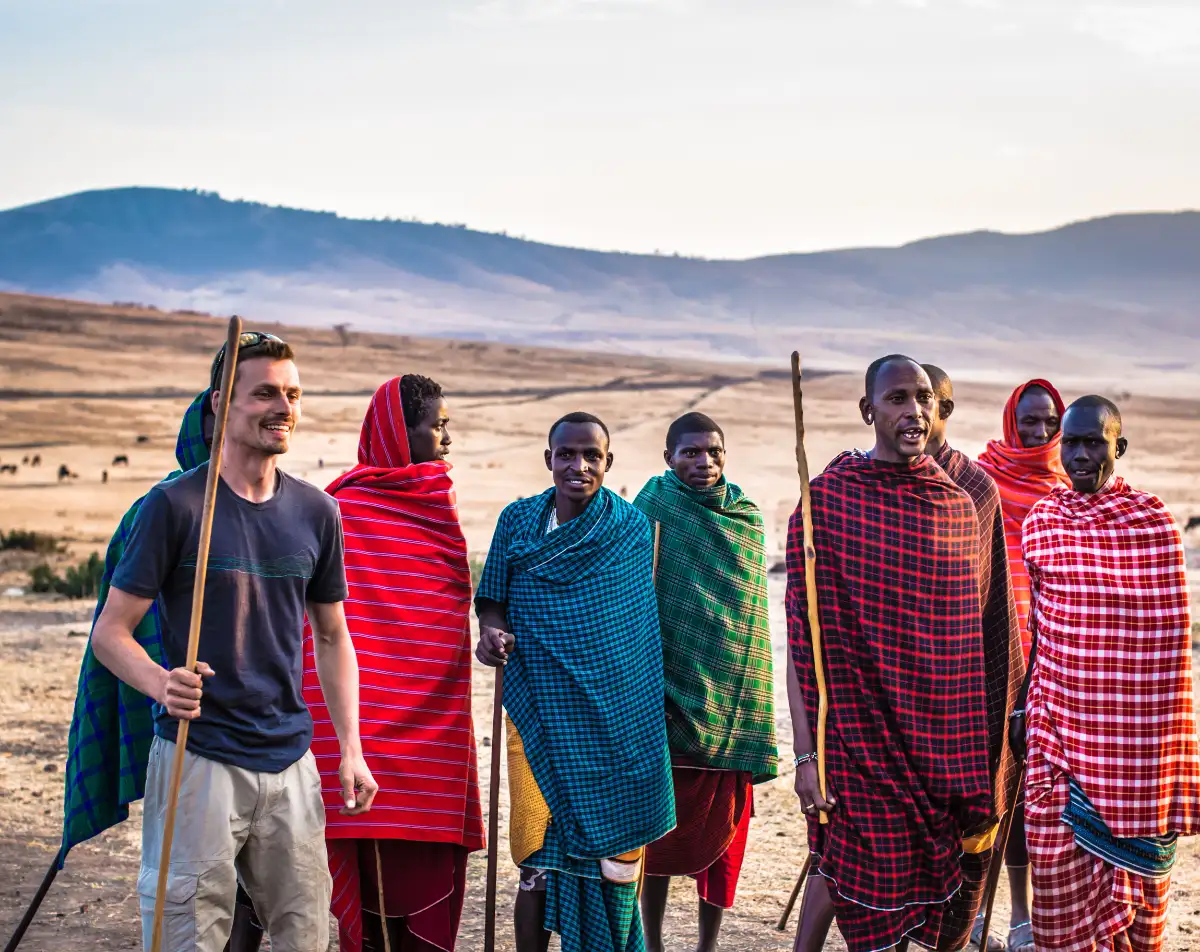
The reality that 70 million international tourists per year experience is something quite different. It is the extraordinary warmth of a Rwandan guide explaining the history of his city with a personal connection that no museum exhibit replicates. It is the professional calmness of a South African safari ranger managing a lion encounter with an expertise that makes the wilderness feel navigable. It is the Maasai elder in Kenya who invites you to sit at his fire and explains the stars above the Mara with a knowledge of the night sky that makes your phone's astronomy app feel deeply inadequate.
Africa is not without genuine risk. No major international travel destination is. But the specific risks that apply in Africa's most visited tourist destinations are manageable, specific, and in most cases less threatening to a well prepared international traveller than the general narrative suggests. The precautions required are largely the precautions that sensible travel anywhere requires, supplemented by the specific health preparations that tropical travel demands and the local knowledge that makes every African experience both safer and more rewarding than independent research alone can produce.
Book through Plan My Experiences. Prepare properly. Travel with the right guide. And give Africa the fair assessment that 70 million annual visitors have already made on your behalf.