Quick Answer — What Are Africa's Major Animal Migrations?
Africa hosts more significant animal migrations than any other continent on earth. On land, the major migrations are the Great Wildebeest Migration across Tanzania and Kenya, the Burchell's Zebra Migration in Botswana which is the world's longest known terrestrial mammal migration, the White Eared Kob Migration in South Sudan which is the largest land migration outside the Serengeti ecosystem, the Liuwa Plains Wildebeest Migration in Zambia which is Africa's second largest wildebeest gathering, and the Makgadikgadi Zebra and Wildebeest Migration in northern Botswana.
In the ocean, the major migrations are the Sardine Run along South Africa's east coast in June and July, the Southern Right Whale Migration to the Western Cape between June and November, the Whale Shark aggregations off Mozambique between October and March and in Djibouti between November and January, the Humpback Whale Migration along multiple African coastlines between May and October, and the marine turtle nesting migrations that reach beaches in South Africa, Mozambique, and West Africa between October and March.
In the air and through the forests, the most significant movements include the Straw Coloured Fruit Bat Migration to Kasanka National Park in Zambia between October and December which is the world's largest mammal migration measured by individual count, the flamingo movements between the alkaline lakes of the Great Rift Valley which continue year round with seasonal peaks, the Amur Falcon aggregation in Ethiopia between October and November, and the Carmine Bee Eater breeding gatherings in Zambia and Zimbabwe between August and October.
The elephant migrations of the continent represent their own category entirely: the Amboseli elephant corridors between Kenya and Tanzania, the Chobe elephant congregation in Botswana and Namibia which produces the largest elephant gathering in Africa, and the recovering Zakouma elephant movements in Chad are the three most significant.
1. The Great Wildebeest Migration (Tanzania and Kenya)
Overview
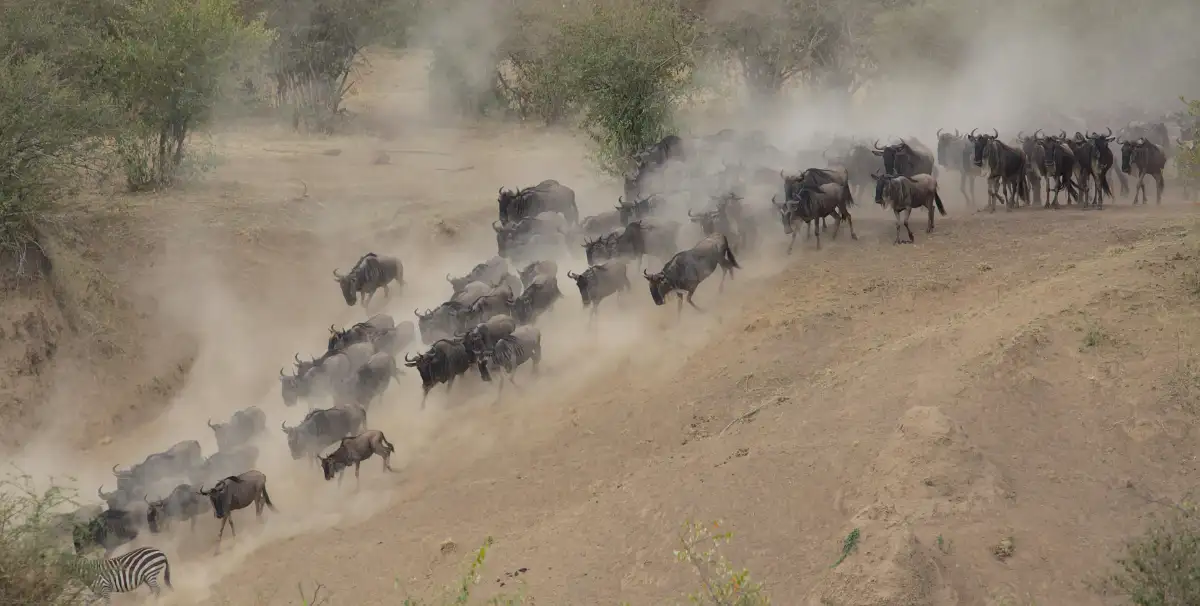
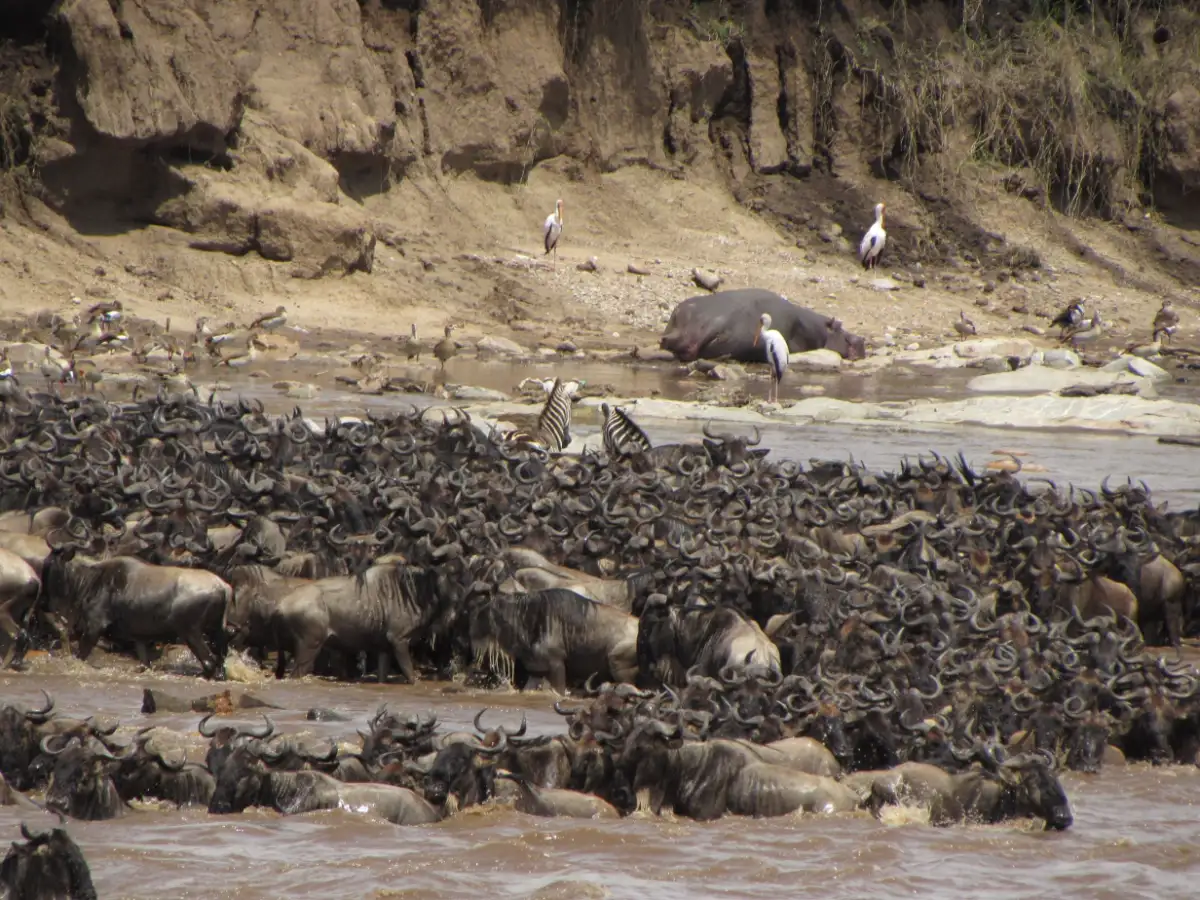
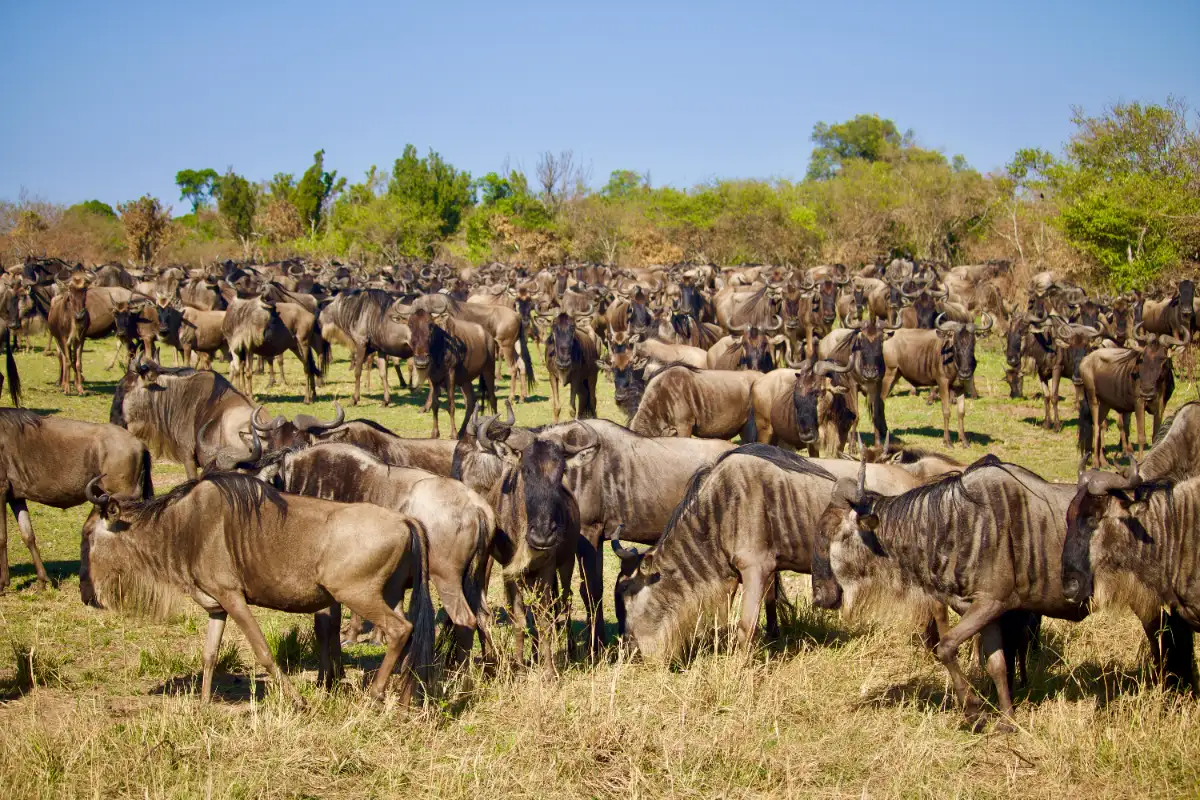
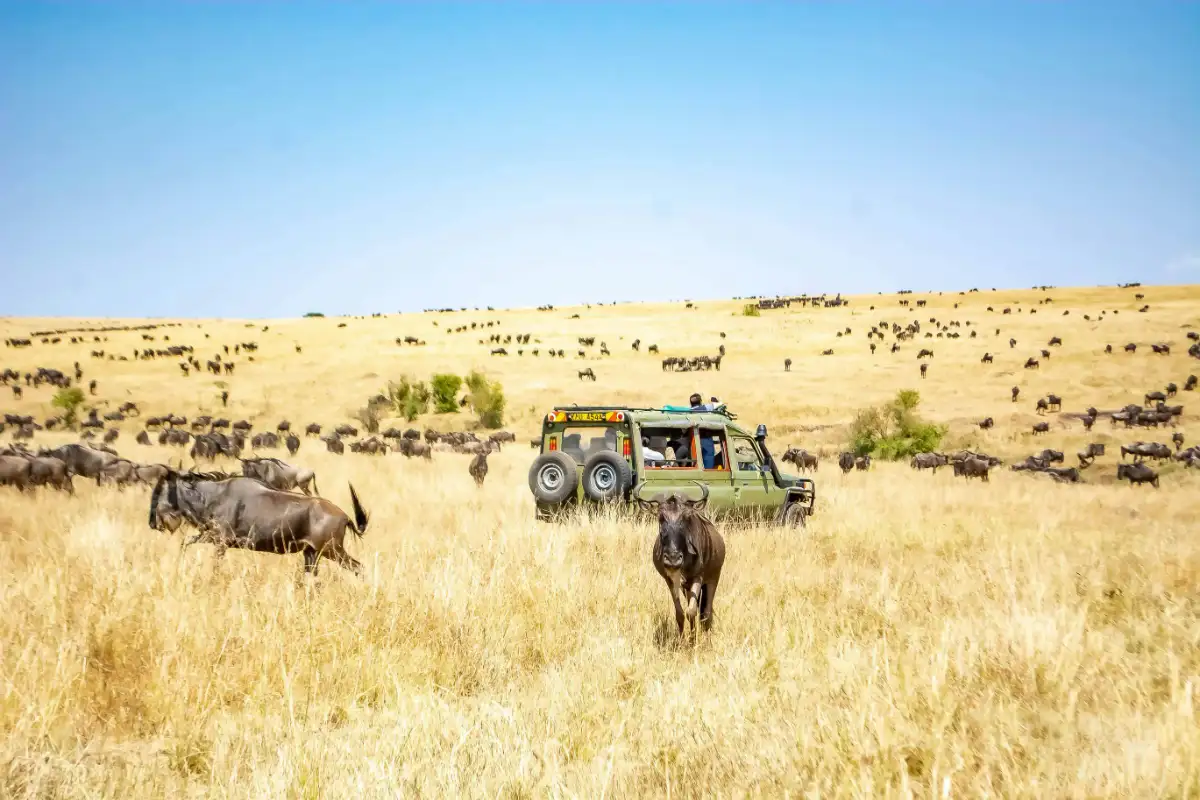
The Great Wildebeest Migration is the largest overland animal movement on earth. Approximately 1.5 million wildebeest, more than 200,000 zebra, around 500,000 Thomson's gazelles, and smaller numbers of eland and topi follow a circular route of approximately 1,200 kilometres through the Serengeti National Park in Tanzania and the Maasai Mara National Reserve in Kenya throughout the year, driven by rainfall patterns and the fresh grass growth that follows.
The Great Wildebeest Migration Month by Month in 2026
In January the herds are concentrated on the short grass plains of the southern Serengeti and the Ndutu area of the Ngorongoro Conservation Area, where the calving season begins. The Ndutu Conservation Area and the Lake Masek region are the best camp areas during this period. Approximately 500,000 wildebeest calves are born within a six to eight week window and the concentration of newborns on the plains produces the highest predator to prey ratio in the Serengeti calendar.
February is the peak calving month and the most underrated in the entire migration calendar. Up to 8,000 calves are born each day and the predator activity generated by this concentration of vulnerable newborns is unmatched anywhere else. Cheetah, lion, and hyena activity is at its most sustained and visible on the open short grass plains of the Ndutu area.
March sees the calving season wind down as the herds begin their first movement northward. The southern and central Serengeti around Naabi Hill and the Seronera Valley hold the herds in the first half of the month before the long rains begin pushing the movement in earnest.
April brings the herds into the central Serengeti as the long rains transform the landscape green. The Seronera Valley is the recommended area and while the roads can become difficult, the wildlife remains excellent and accommodation rates fall significantly.
May is the month of the Western Corridor and the Grumeti River crossings. The herds push through the Grumeti Reserves and the Kirawira area toward the first major water crossing of the northward journey. The Grumeti crossings are the least visited and most underestimated river crossing event of the Migration, with enormous Nile crocodiles waiting in water that the general public has never heard of.
June positions the herds in the northern approaches, building through the Lobo and Lamai areas toward the Kenyan border. The dry season has fully established, roads are excellent, and the vehicle density is building but has not yet reached the August peak.
July marks the opening of the peak crossing season as the leading herds reach the Mara River on both the Tanzanian Kogatende side and the Kenyan Maasai Mara side. The first river crossings of the season begin and the best camps book out rapidly. The Lamai Wedge on the Tanzanian side consistently offers more intimate crossing experiences with lower vehicle competition than the Kenyan side.
August is the peak month. The majority of the 1.5 million wildebeest are concentrated in the northern Serengeti and the Maasai Mara and the Mara River crossings occur with maximum frequency. Multiple crossings can happen in a single day. August is the most booked, most expensive, and most viscerally powerful month of the migration calendar. The crossing from the Lamai area and the Mara Triangle produces the most dramatically lit photography conditions of the year.
September sustains the crossing activity with the bulk of the herds now spread across the Maasai Mara. The private conservancies including Olare Motorogi, Naboisho, and Mara North offer migration access with significantly lower vehicle density and the additional permissions of night drives and walking safaris unavailable inside the main reserve.
October marks the transition as the first short rains arrive in Kenya and the herds begin moving south. The last significant river crossings occur in October and rates begin to fall from the August and September peak. This is one of the best value months for experiencing migration animals in the Maasai Mara.
November brings the return migration through the central and eastern Serengeti. The landscape is vivid green, the migratory bird species are in full complement, and the vehicle density is at its annual low. Rates are typically at their most accessible of the second half of the year.
December sees the herds completing their return to the southern Serengeti and the Ndutu area in preparation for the calving season that begins in January. The predator populations of the south are moving into position and the anticipation of the calving season gives December a specific atmospheric quality that experienced Serengeti visitors return specifically to experience.
The best single month for river crossings is August. The best single month for calving season predator action is February. The best value month is February or November.
2. The Burchell's Zebra Migration (Botswana)
Overview — The World's Longest Terrestrial Mammal Migration
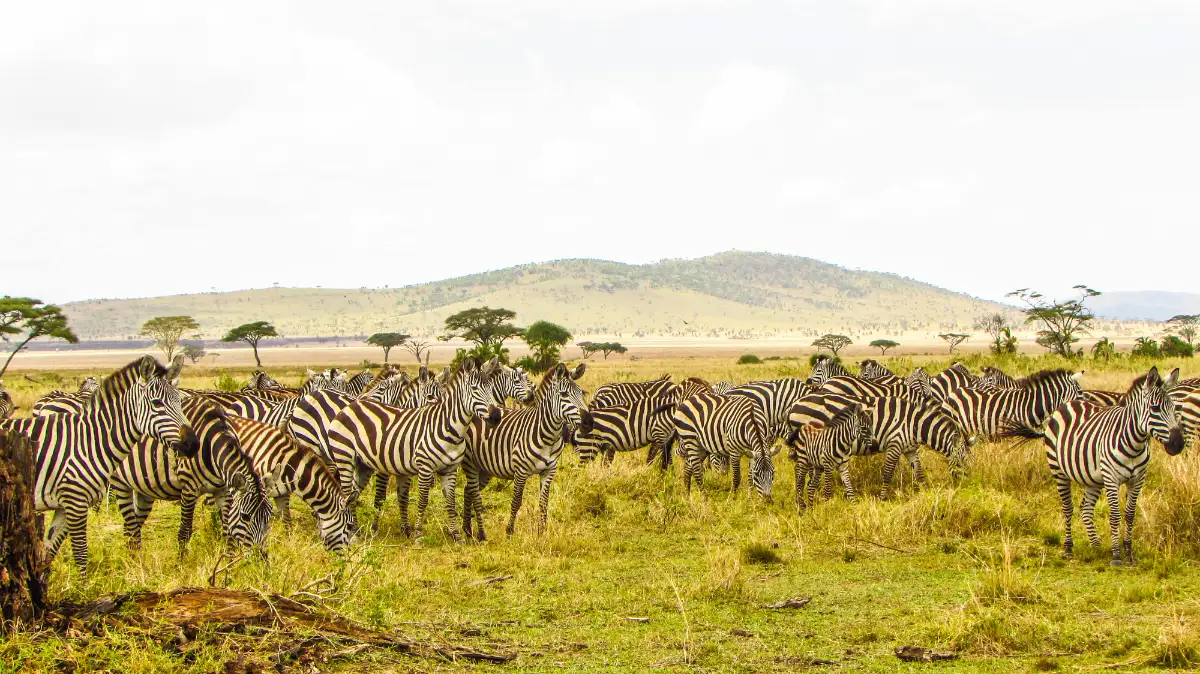
The Burchell's Zebra Migration between the Okavango Delta region and the Makgadikgadi Pans in Botswana was only scientifically documented and confirmed in 2012, making it the world's longest known terrestrial mammal migration that was essentially invisible to science until the twenty first century. Approximately 25,000 Burchell's zebra travel a return distance of approximately 500 kilometres between the Okavango Delta area and the Makgadikgadi salt pans annually, following rainfall and the fresh grass that grows on the pans after the summer rains.
The migration moves in two distinct phases. The southward movement from the Okavango region to the Makgadikgadi occurs between December and March, when the summer rains have transformed the normally barren salt pans into a temporary grassland of extraordinary productivity. During January and February, the Nxai Pan National Park holds the highest zebra density and the lion prides of the area are well fed and highly active as they hunt on the open pan landscape, which provides virtually no cover for either predator or prey and creates hunting sequences of extraordinary visibility.
The northward return to the permanent waters of the Okavango region occurs between April and June as the pans dry and the temporary grass disappears. Witnessing the zebra arriving on the pans in late December or concentrated on the Nxai Pan during January and February, against the specific flat horizon of the Makgadikgadi landscape with lion prides hunting in full view, is an experience whose scale and setting have no equivalent in the southern African safari calendar.
The best camps for the Makgadikgadi zebra migration are Nxai Pan Camp and Jack's Camp. Access is by internal flight from Maun to the Nxai Pan airstrip, followed by a short transfer to the pan itself.
3. The White Eared Kob Migration (South Sudan)
Overview — Africa's Most Overlooked Mass Migration
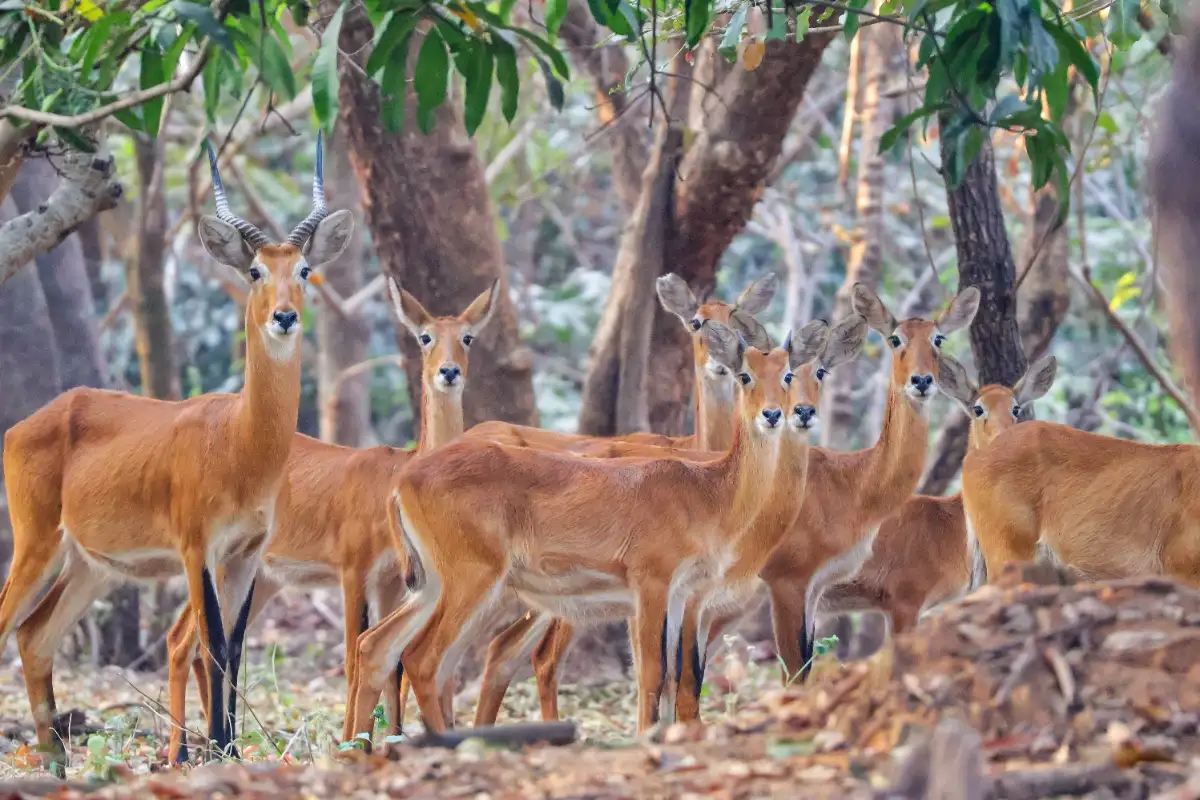
The White Eared Kob migration in South Sudan's Boma and Jonglei regions is the largest land migration in Africa outside the Serengeti Mara ecosystem and one of the least witnessed by international travellers anywhere on earth. Approximately 1.2 million White Eared Kob, along with hundreds of thousands of Mongalla gazelle and tiang antelope, follow a seasonal route between the highland grasslands of the Boma National Park and the floodplains of the Sudd wetland complex, covering distances that rival the Serengeti circuit in scale.
The migration was largely undocumented during the decades of civil conflict in South Sudan. Wildlife Conservation Society aerial surveys conducted since 2007 confirmed the migration's extraordinary scale and its survival through the conflict years, which represents one of the most remarkable passive conservation stories in modern Africa. The animals persisted through decades of war in a landscape whose remoteness protected them from the worst hunting pressure that destroyed wildlife elsewhere in the region.
During the dry season from November through March, the herds concentrate on the Boma Plateau in the southern highlands where the calving occurs. The northward movement toward the Sudd floodplain margins takes place between April and June. The wet season dispersal across the floodplain from July through October is the period of greatest herd distribution but also the most challenging terrain for access.
Access to the White Eared Kob migration requires significant logistical preparation and specialist operator support. This migration is suitable only for travellers with experience in remote and developing tourism destinations who are prepared to travel with comprehensive local knowledge support. Tourism revenue in this ecosystem directly supports community conservation initiatives that protect the migration corridor from agricultural expansion.
4. The Liuwa Plains Wildebeest Migration (Zambia)
Overview — Africa's Second Largest Wildebeest Migration
Liuwa Plain National Park in western Zambia hosts Africa's second largest wildebeest migration, a fact that most safari travellers have never encountered because the Liuwa is one of the most remote and least visited national parks on the continent. Approximately 45,000 wildebeest gather on the Liuwa plains between October and December, drawn by the first rains that produce the fresh short grass on the vast flat floodplain.
The Liuwa Migration produces a specific atmosphere that the Serengeti cannot replicate. The gathering of tens of thousands of animals on a landscape of absolute flatness, under a Zambian sky whose scale is uninterrupted to the horizon in every direction, in a park where you may drive all day without seeing another tourist vehicle, is the definition of the word unspoiled in the context of African safari travel.
The first rains arrive in late October and the wildebeest begin moving onto the plains with the grass growth that follows. By November the concentration is at its peak and the lion prides of Liuwa, which include some of the most studied and most celebrated individuals in Zambia, are hunting with maximum frequency and visibility. By late January the calves begin to appear and through February and March the calving season produces its own predator spectacle before the herds begin dispersing in April as the dry season returns.
Liuwa Plains Lodge, operated by African Parks, is the primary upmarket accommodation in the park. Access is by charter flight from Lusaka to Kalabo or by road transfer through western Zambia. The park is managed by African Parks in partnership with the Lozi royal family whose traditional territory the park occupies, and the community partnership that underpins this management is one of the most sophisticated conservation community relationships in Africa.
5. The Straw Coloured Fruit Bat Migration (Zambia)
Overview — The World's Largest Mammal Migration by Individual Count
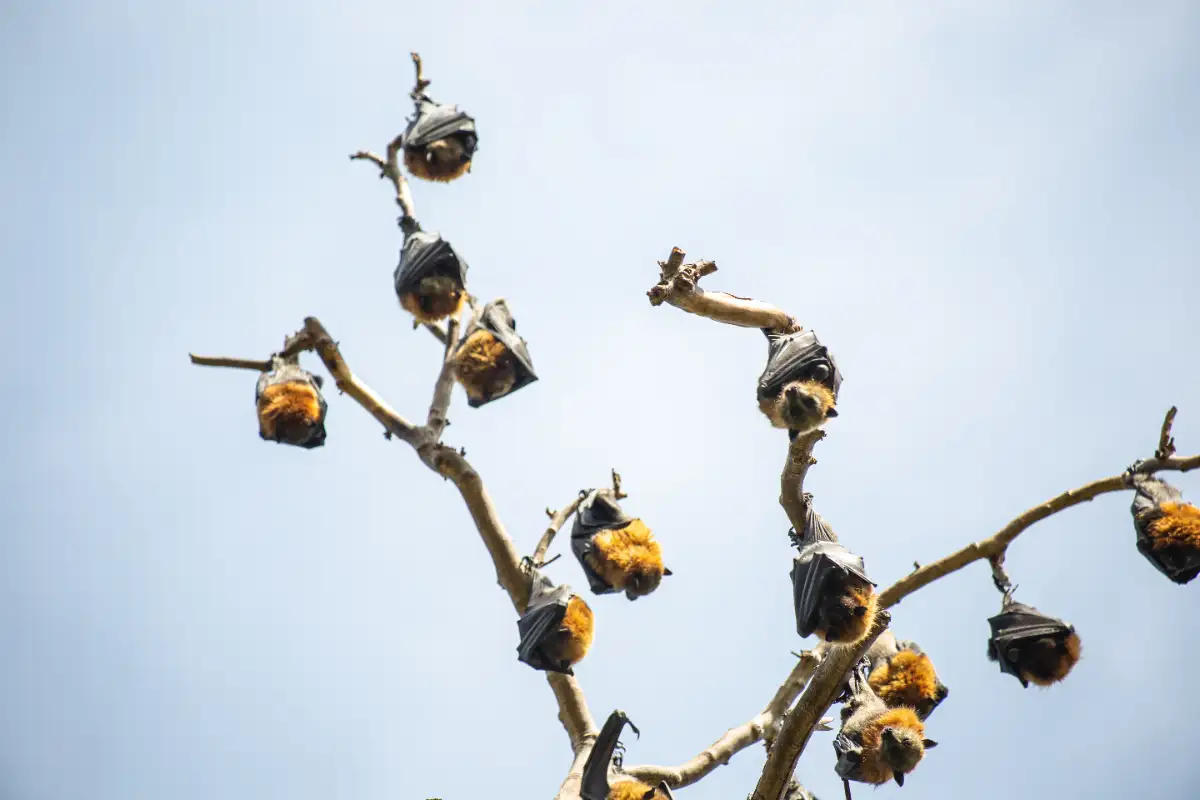
The Straw Coloured Fruit Bat migration to Kasanka National Park in central Zambia is the world's largest mammal migration measured by individual animals. Between eight and ten million bats arrive at a small patch of swamp forest in Kasanka National Park between October and December each year, travelling from the Congo Basin forest to feed on the wild fruits of the miombo woodland that surrounds the park.
The bats roost in a stand of trees covering approximately one hectare, which means the roosting density produces a visual effect that is genuinely beyond ordinary description. At dusk, when the bats leave the roost to feed, the sky above Kasanka fills with a living river of wings that can take two hours to fully clear the roosting trees. The combined weight of the roosting bats is estimated at several thousand tonnes and the trees they occupy visibly bend under the load during the peak aggregation weeks.
Crowned eagles, martial eagles, open billed storks, and various raptors congregate at Kasanka to hunt the emerging bats at dusk and the returning bats at dawn, creating a predator spectacle that is entirely specific to this one hectare of Zambian swamp forest for two months every year. The first bats begin arriving in late October and the numbers build steadily through November to their peak before the departure begins in mid December.
Wasa Lodge at Kasanka National Park is the recommended accommodation. Access is by road from Lusaka in approximately six hours or by charter flight to the Kasanka airstrip. The dusk emergence from the roost is the primary photographic event and the forty five minutes before full dark, when the bats are silhouetted against the evening sky in their millions, produces some of the most extraordinary wildlife photographs taken anywhere in Africa each year.
6. The Sardine Run (South Africa)
Overview — The Greatest Shoal on Earth
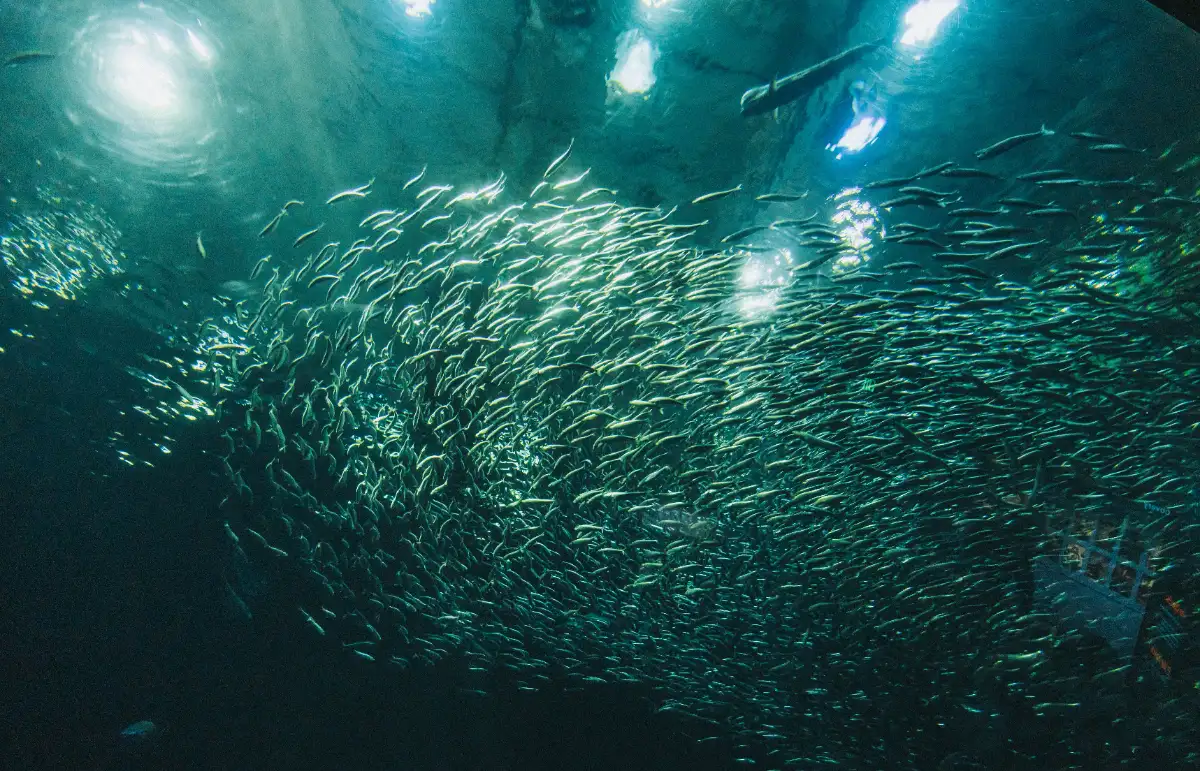
The Sardine Run along the KwaZulu Natal coast of South Africa between May and July is one of the most extraordinary marine events on earth. Billions of sardines travel northward from the cold Agulhas Bank off the Cape in a shoal that can be seven kilometres long, one and a half kilometres wide, and thirty metres deep, following the cold water current that moves up the east coast in the southern hemisphere winter.
The sardine shoal attracts one of the largest predator aggregations in the ocean. Common dolphin pods estimated at up to 18,000 individuals drive the sardines into bait balls near the surface, cooperative hunting formations where thousands of dolphins work together to compress the sardines into a dense sphere before attacking from every direction simultaneously. Cape gannets dive from heights of thirty metres above the water with a force that carries them through the bait ball before they resurface to swallow the fish. Bronze whaler sharks, dusky sharks, and Bryde's whales move through the zone taking advantage of the extraordinary prey concentration.
The Sardine Run is accessible to snorkellers and scuba divers from the beaches of the Wild Coast in the Eastern Cape and the KwaZulu Natal south coast, and witnessing a dolphin bait ball from inside the water is among the most viscerally intense wildlife encounters available anywhere on the African continent.
The early sardines appear along the Eastern Cape Wild Coast and around Coffee Bay and Port St Johns in May, with the peak movement and maximum predator activity occurring along the Wild Coast and the KwaZulu Natal south coast through June. By July the run is moving into the KwaZulu Natal north coast and reducing in intensity as the sardines escape or are consumed. The run is weather and ocean current dependent and cannot be guaranteed in any specific week, which is why booking a minimum of five days on the coast during the June peak window maximises the probability of encountering the event.
7. The Southern Right Whale Migration (South Africa)
Overview — The Cape's Annual Cetacean Celebration
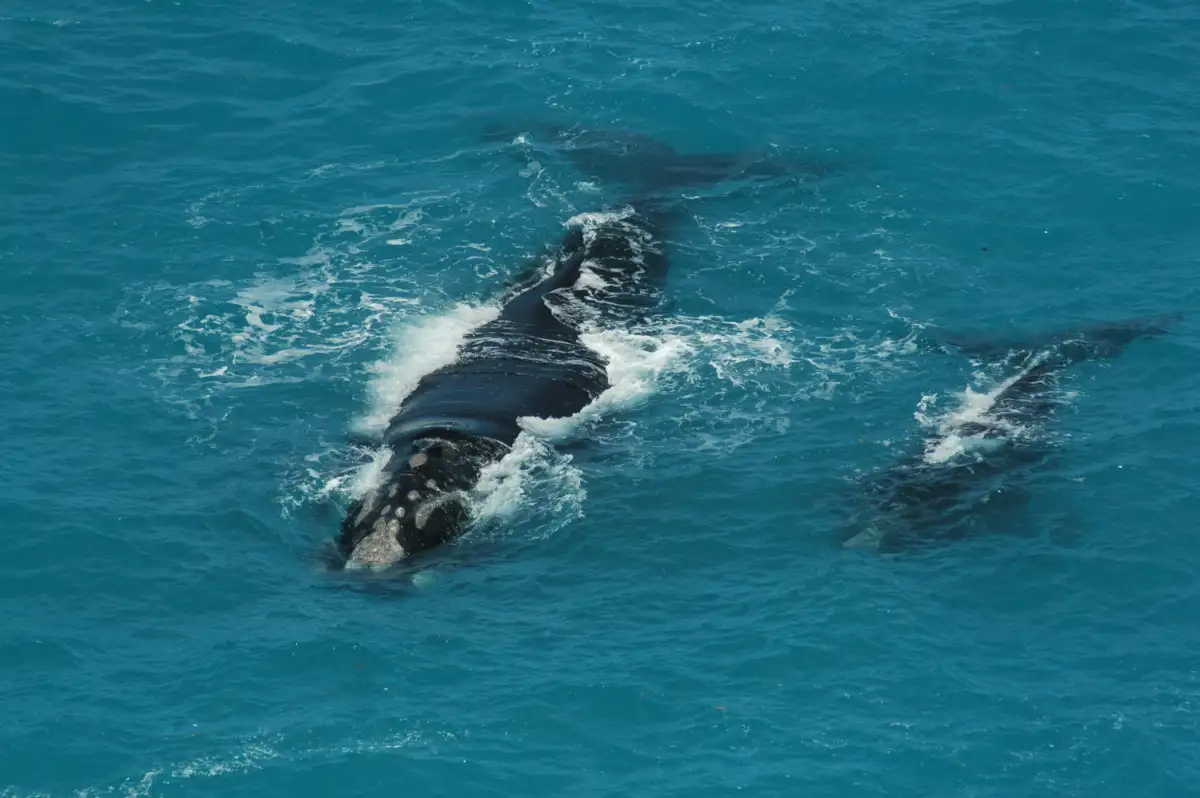
Southern Right Whales migrate from their Antarctic feeding grounds to the sheltered bays of the Western Cape and Eastern Cape coastline of South Africa between June and November to mate, calve, and nurse their young in water warm enough for newborn calves. The stretch of coastline between Hermanus in the Western Cape and De Hoop Nature Reserve is the most productive land based whale watching destination in the world, a designation applied by the World Wildlife Fund based on the combination of whale density, water clarity, and the geographic configuration of Walker Bay that brings whales within a hundred metres of the cliff walking trails above the sea.
The first Southern Right Whales of the season arrive at the Western Cape bays in June, with mating activity beginning immediately in the calm inshore waters. The peak arrival and the beginning of the calving season occur between July and August and the Walker Bay area near Hermanus holds the highest concentration of whales of any period. September and October are the best months for observing mother and calf pairs, when the calves are large enough to be active at the surface but still dependent on their mothers and the bond between them is visible in the specific proximity they maintain through every surface behaviour. De Hoop Nature Reserve between September and October offers the highest whale density per kilometre of coastline during this calving peak. By November the adults begin their return southward, with late calves and their mothers among the last to depart.
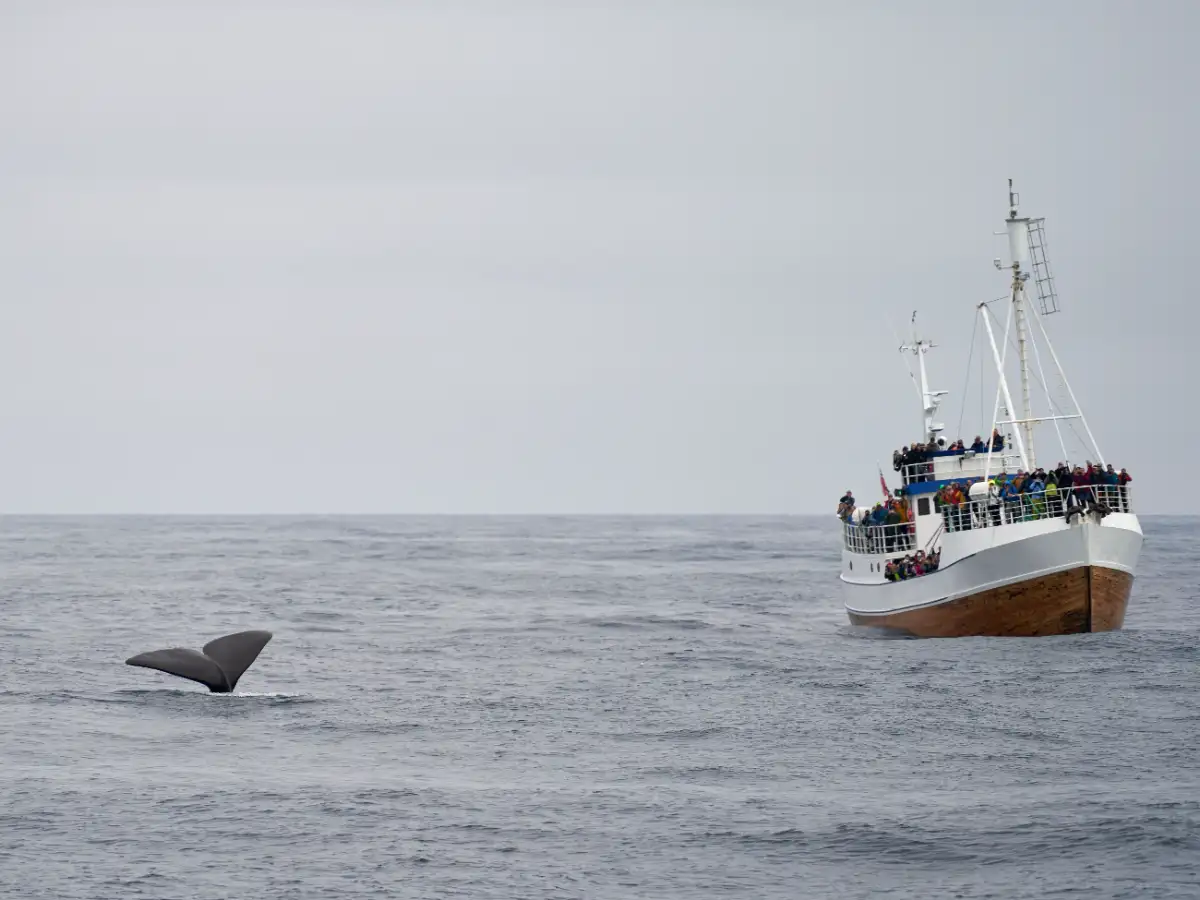
Southern Right Whales are among the most physically active surface displaying whales in the world. Breaching, lobtailing, spy hopping, and sailing with their broad tail flukes raised into the wind are all regularly observed from the cliff paths above Walker Bay without any boat involvement required. Whale watching boats also operate from Hermanus, Gansbaai, and Plettenberg Bay throughout the season for those who want proximity on the water.
8. The Humpback Whale Migration (Multiple African Coastlines)
Overview
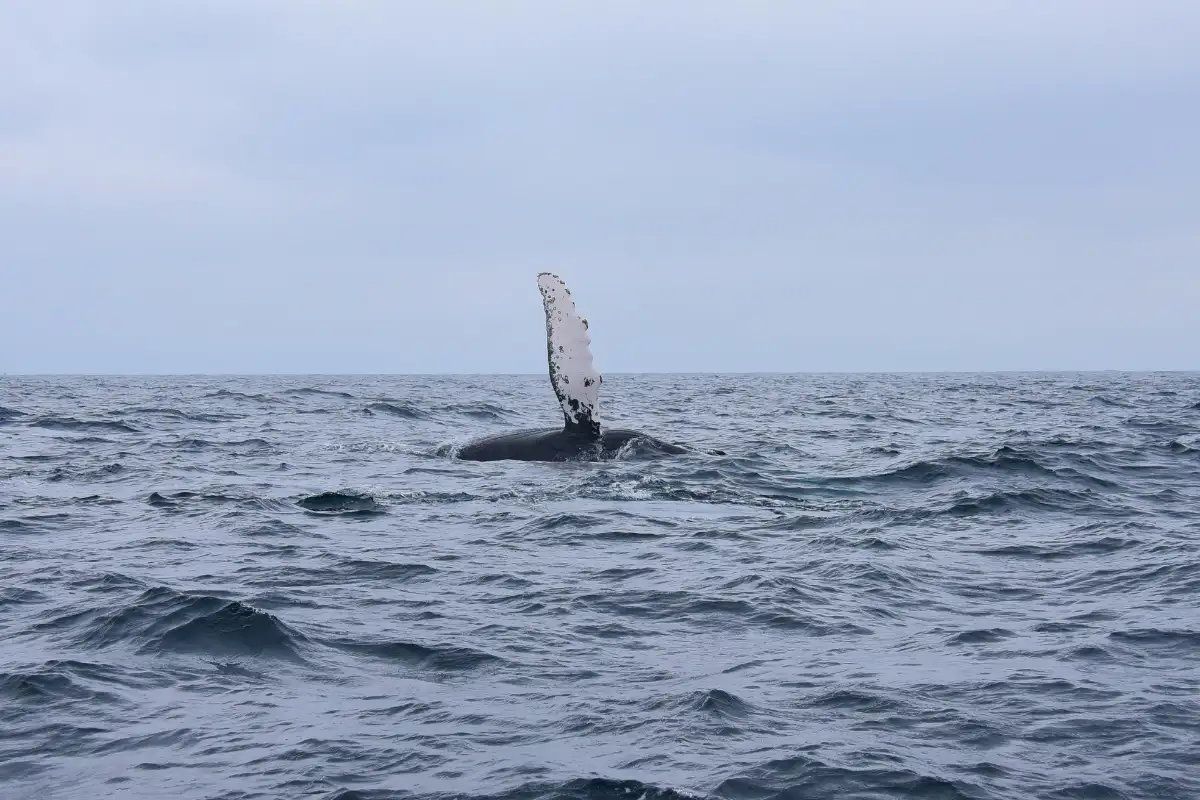
Humpback Whales migrate along both the east and west coasts of Africa between their Antarctic feeding grounds and their tropical breeding grounds, passing the African coastline in both directions throughout the southern hemisphere winter and spring. The east coast migration is particularly accessible to safari travellers combining a coastal extension with an inland itinerary.
The northward movement along the east coast passes Mozambique and Tanzania in May and June, reaching the peak of the northern presence in the Mozambique Channel between July and August when both northward migrating adults and southward returning mothers with calves are present in the channel simultaneously. The Bazaruto Archipelago and the waters around it are among the most productive humpback sighting areas on the east African coast during this period. The southward return migration passes back through Mozambique and past Kenya and Tanzania between September and November.
On the west coast, the migration follows a comparable seasonal pattern, with the whales passing Angola and Namibia on their northward journey between May and July and returning southward between September and November. The combination of humpback and Southern Right Whale activity in southern African waters between June and October makes this the most productive cetacean watching period available anywhere on the continent.
9. The Whale Shark Aggregations (Mozambique and Djibouti)
Tofo Beach, Mozambique — Year Round Whale Shark Encounters
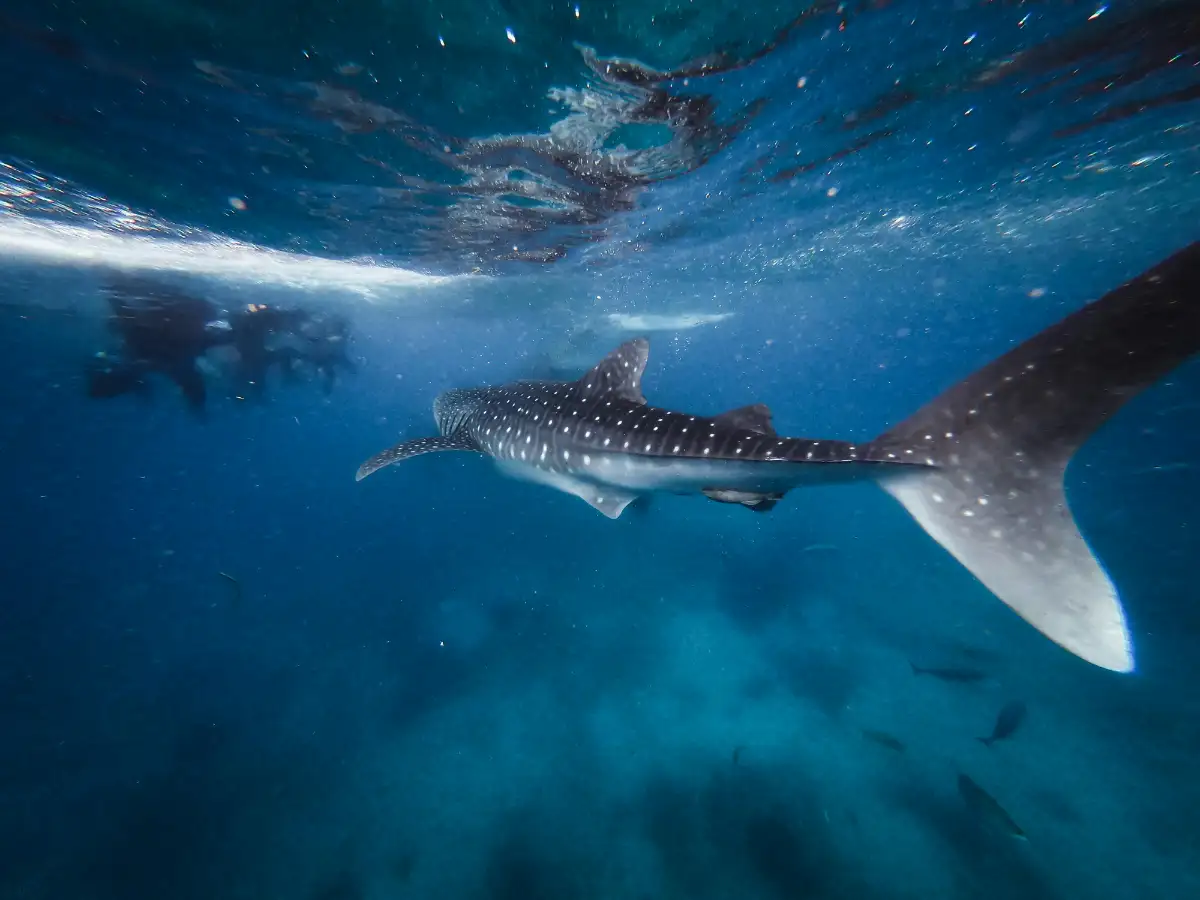
Tofo Beach near Inhambane in southern Mozambique is one of the most reliable whale shark encounter destinations in the world, with resident or passing whale sharks present throughout the year and the highest probability of encounters between October and March when the currents and plankton blooms that concentrate the sharks are at their annual maximum. The waters around Tofo are clear enough for snorkelling encounters from the surface, and the combination of whale shark sightings with manta ray and oceanic manta ray encounters makes Tofo the most consistently productive marine megafauna destination on the east African coast.
Djibouti — The Arabian Sea Aggregation
The Gulf of Tadjoura in Djibouti hosts a seasonal aggregation of whale sharks between November and January that is among the most predictable and most concentrated in the Indian Ocean basin. The sharks gather to feed on the spawn of snapper fish in the shallow bay and the predictability of the event, combined with Djibouti's accessibility as a major hub airport, makes this one of the most efficiently bookable whale shark experiences in Africa. The Mafia Island Marine Park in Tanzania and Watamu Marine Reserve in Kenya also offer moderate probability encounters between October and March, making the entire East African coast a reliable whale shark destination from October through to the end of March.
10. The Flamingo Migrations (Great Rift Valley, Africa)
Overview — The Pink Mathematics of the Rift Valley
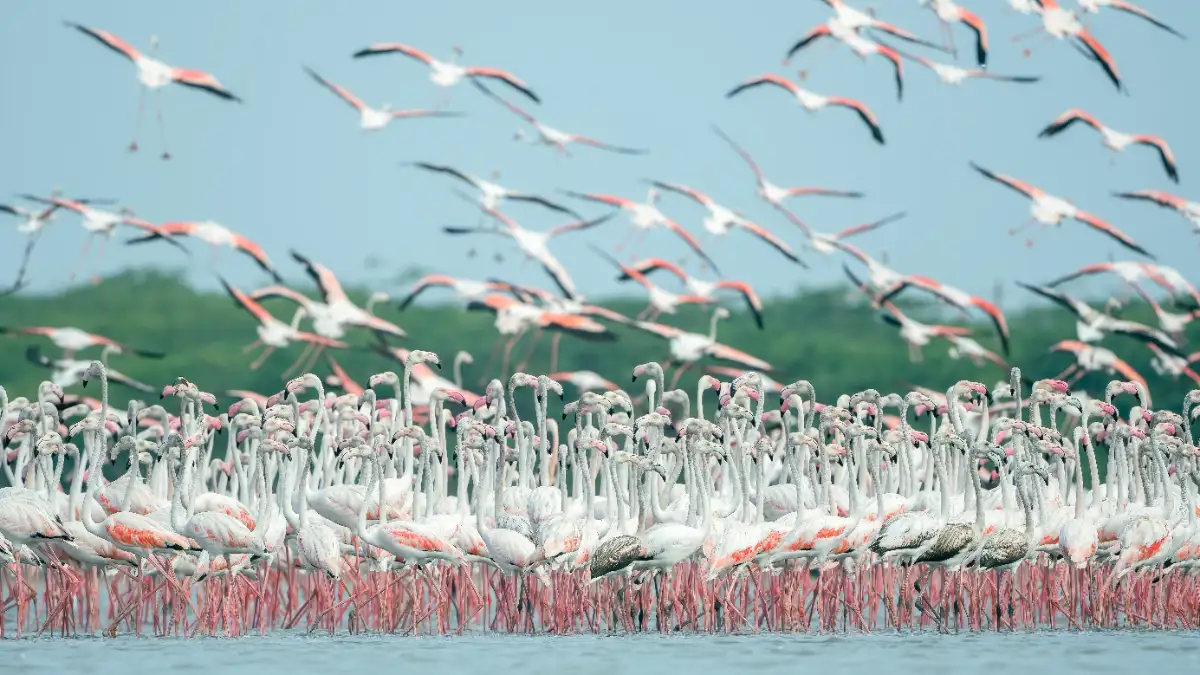
The flamingo migrations of the African Great Rift Valley involve two species, the Greater Flamingo and the Lesser Flamingo, moving between the chain of alkaline lakes that runs from Ethiopia in the north to Tanzania in the south in response to changes in algae availability, water level, and breeding conditions. The Lesser Flamingo feeds almost exclusively on the blue green algae Spirulina that flourishes in the alkaline lakes of the Rift, and their movements between lakes track the algae blooms with a precision that makes individual lake flamingo populations fluctuate by hundreds of thousands in a matter of weeks.
Lake Bogoria in Kenya is the single most reliably flamingo dense lake in the Rift Valley, holding over one million birds year round at its peak with the most concentrated gatherings occurring between January and March when the algae conditions are optimal. Lake Nakuru in Kenya has historically held between 400,000 and one million flamingos and remains a reliable flamingo destination, with numbers fluctuating with the lake's water level and algae content. Lake Elementaita in Kenya holds between 50,000 and 300,000 birds and is the least visited of the three central Rift Valley flamingo lakes.
Lake Natron in northern Tanzania is the primary breeding site for Lesser Flamingos in the entire Rift Valley system. Between one and two million flamingos breed on the mud flats of this highly alkaline lake between June and October, creating the most concentrated flamingo breeding event in the world. The lake's caustic water, which reaches pH levels above ten, protects the nesting birds from most predators that cannot tolerate the water chemistry. Any industrial development affecting Lake Natron's water quality or level would threaten the entire Lesser Flamingo population of East Africa, making it one of the continent's most conservation significant single sites.
In Ethiopia, Lake Abiata holds between 500,000 and one million flamingos during the peak months of September through February, and Lake Shala maintains a significant breeding colony year round. Lake Manyara in Tanzania holds between 50,000 and 200,000 flamingos during the dry season months.
11. The Elephant Migration Corridors (Multiple Countries)
The Amboseli Elephant Corridors (Kenya and Tanzania)
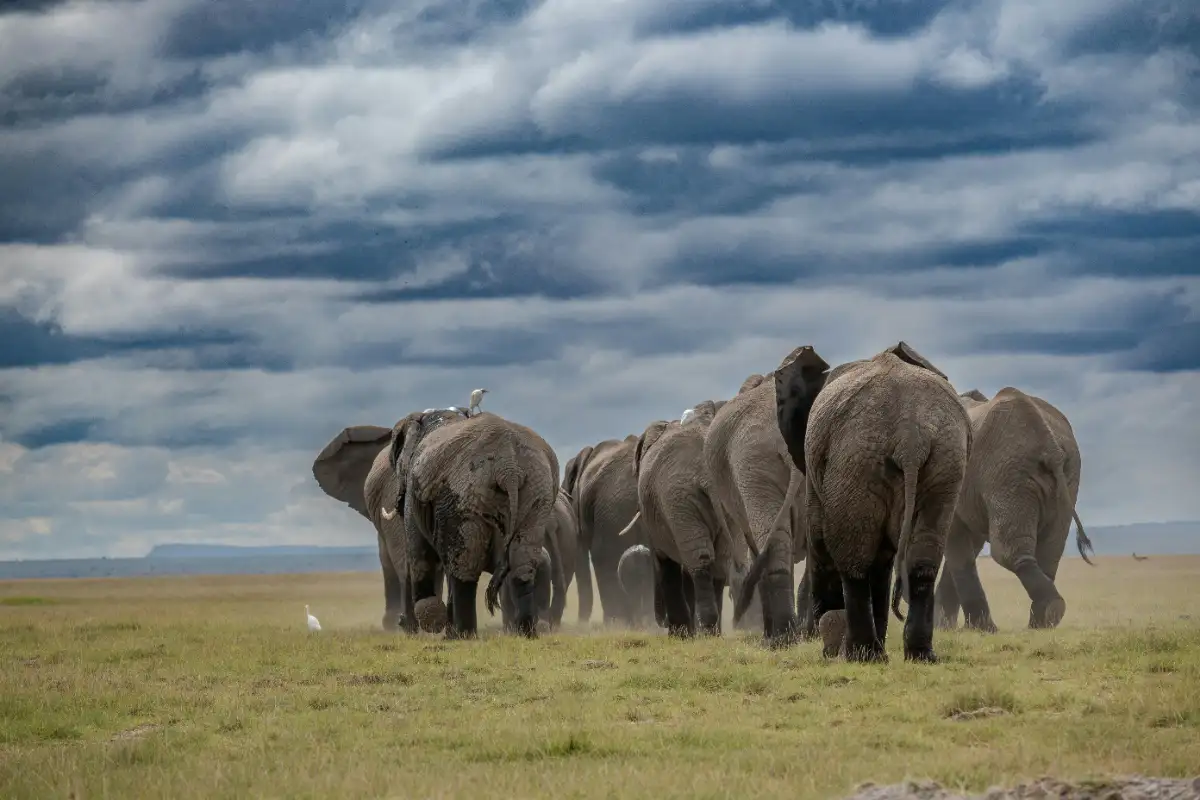
The Amboseli elephant population, one of the most extensively studied in the world, follows seasonal migration corridors between Amboseli National Park in Kenya and the Kilimanjaro forests in Tanzania, moving between the two countries across community land that sits outside the formal protected area boundaries. These corridors are actively managed by conservation organisations working with the Maasai communities through whose land the elephants move, and the community conservancy model that has developed around the Amboseli elephant corridors is one of the most effective examples of human wildlife coexistence in Africa.
The Chobe Elephant Migration (Botswana and Namibia)
The Chobe River ecosystem in northern Botswana and the Caprivi Strip of Namibia hosts the largest elephant population in Africa, estimated at over 130,000 individuals. These elephants move seasonally between the permanent Chobe River during the dry season, where concentrations of several thousand elephants at the riverbank are a daily occurrence, and the interior woodland areas of Chobe National Park and the Caprivi during the wet season when water is available throughout the interior.
During the dry season months from May through October the elephant congregation at the Chobe River is the largest in Africa. A boat trip on the Chobe River in August or September, watching hundreds of elephants cross from the Botswana side to the Namibian islands and back, is an experience whose scale the photographs consistently underrepresent. By November the rains return and the elephants disperse into the interior woodlands where vehicle based game drives replace the boat safaris as the primary viewing format.
The Zakouma Elephant Migration (Chad)
Zakouma National Park in southeastern Chad manages one of the most remarkable elephant recovery stories in Africa. The park's population was reduced from approximately 4,000 elephants in 2002 to fewer than 500 by 2010 through ivory poaching. Under African Parks management since 2010, the population has recovered to approximately 700 and continues growing. The elephants of Zakouma follow seasonal movements between the park and the surrounding regions, movements that are gradually restoring as the population recovers and the security conditions that protect them are sustained by the African Parks management programme.
12. The Amur Falcon Migration (Ethiopia and Beyond)
Overview — The World's Most Aerially Ambitious Small Bird
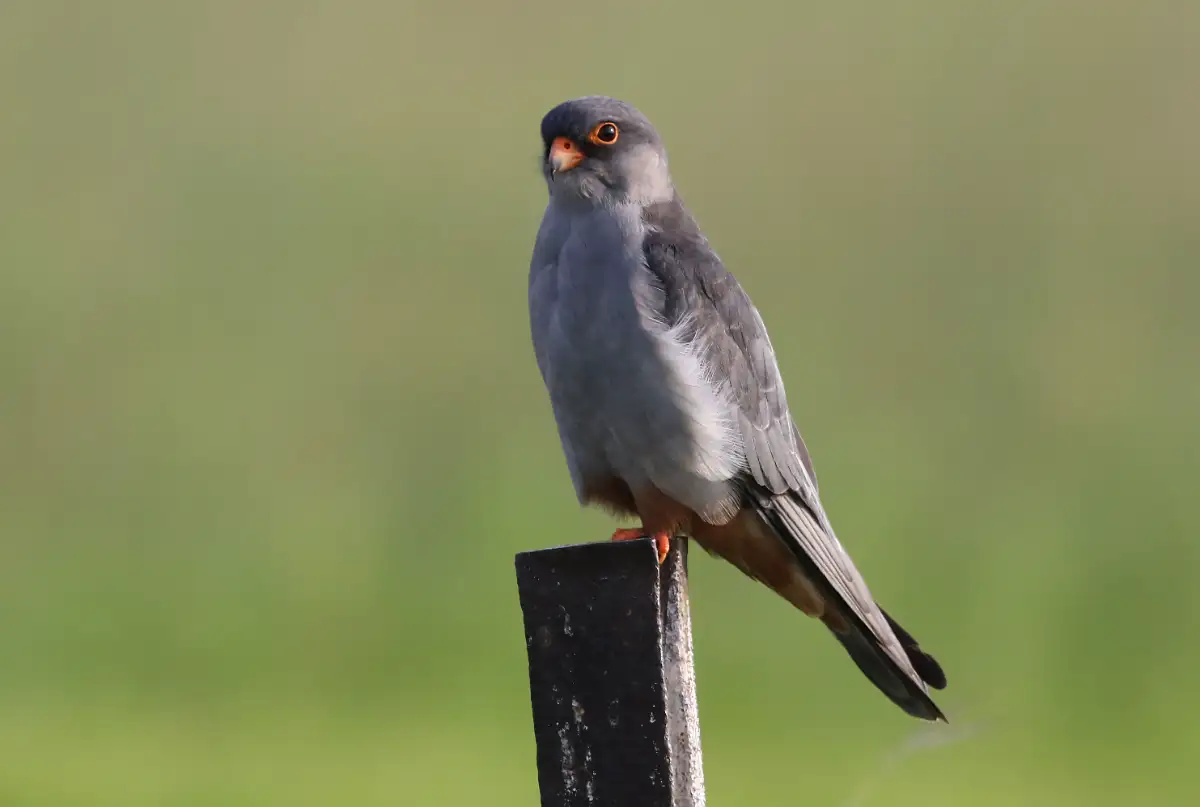
The Amur Falcon is a small raptor that breeds in eastern Asia and migrates annually to southern Africa in a journey that includes a non stop crossing of the Arabian Sea of approximately 3,000 kilometres, the longest water crossing of any known raptorial bird. The falcons stage in Ethiopia and the Horn of Africa region between October and November before making the Arabian Sea crossing.
The gathering of Amur Falcons in the Great Rift Valley of Ethiopia during October and November produces concentrations of hundreds of thousands of birds at specific roosting sites, particularly around Lake Hawassa and the surrounding farmland. The sheer number of birds in a single location, combined with the remarkable ecological story of their journey, makes this one of the most dramatic raptor spectacles in the world and one that most bird watching visitors to Ethiopia have not yet discovered.
After crossing the Arabian Sea the falcons pass through India and eventually reach their southern Africa wintering grounds in Zambia, Zimbabwe, and South Africa between December and March, where they feed on flying termites and grasshoppers in the savannah landscape before beginning the return journey northward in April.
13. The Carmine Bee Eater Aggregations (Zambia and Zimbabwe)
Overview
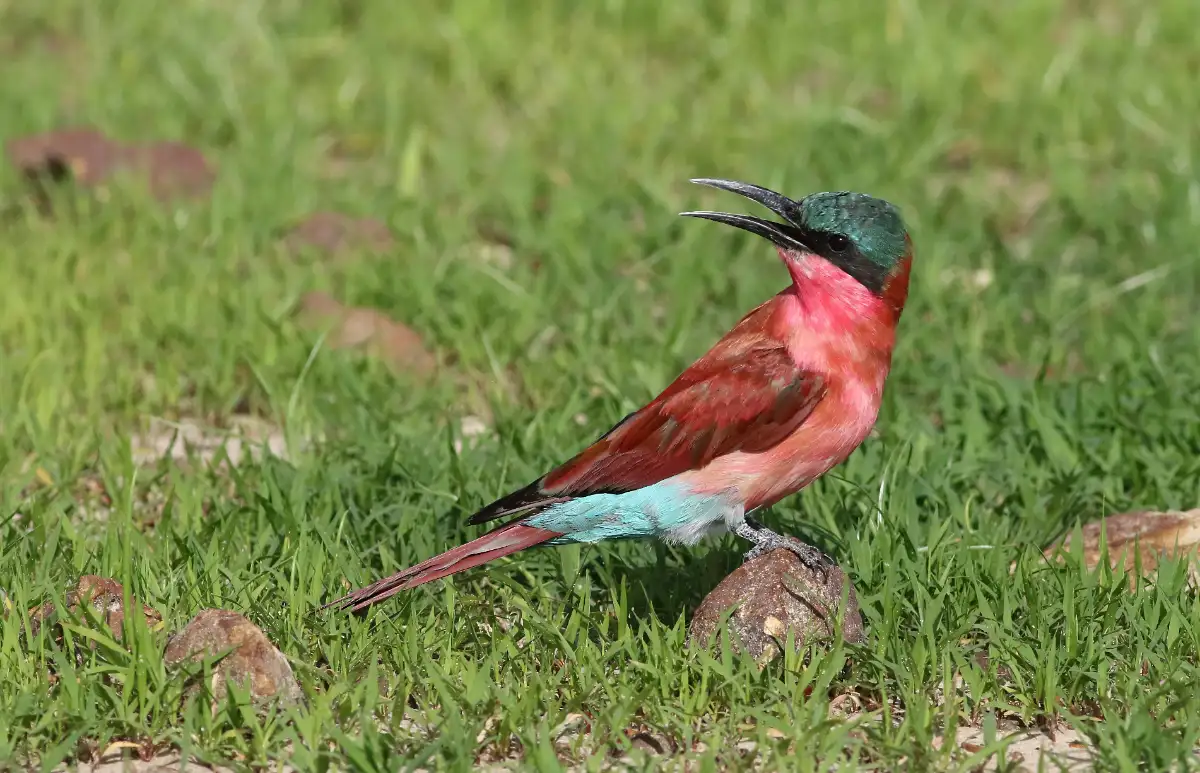
The Southern Carmine Bee Eater is one of the most visually spectacular birds in Africa: scarlet and turquoise in a combination that looks designed rather than evolved. Between August and October, the species gathers in enormous breeding colonies along the sandy cliff banks of rivers in Zambia and Zimbabwe, with the Luangwa River and the Zambezi Valley producing concentrations of thousands of nesting pairs in a continuous wall of colour and movement.
The bee eater colonies at South Luangwa National Park in Zambia are the most accessible and most consistently visited. The birds excavate nesting tunnels in the sandy riverbanks and the colony activity, combined with the African fish eagles and other predators taking bee eaters on the wing above the river, creates one of the most rewarding bird photography experiences on the continent. The colony is established in August, reaches peak breeding activity in September, and the chicks begin fledging through October before the birds disperse. The Zambezi Valley in Zimbabwe offers comparable colonies accessible from camps in the Lower Zambezi National Park area.
14. Marine Turtle Nesting Migrations (Multiple Countries)
Overview
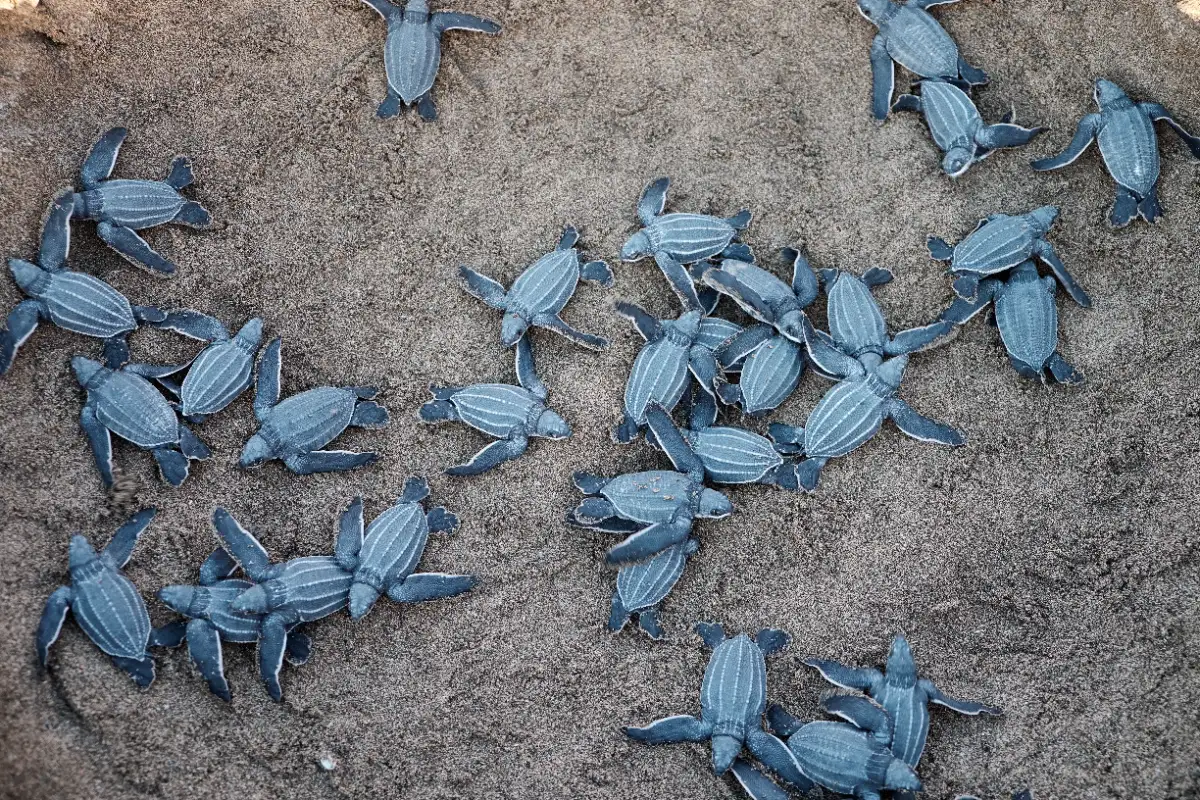
Five species of marine turtle nest on African beaches: the Leatherback, Loggerhead, Green, Hawksbill, and Olive Ridley. Each species follows its own nesting migration calendar and each has specific beach preferences shaped by sand temperature, beach gradient, and proximity to feeding grounds.
The iSimangaliso Wetland Park on the KwaZulu Natal north coast of South Africa is the most southerly Leatherback nesting beach in the world and hosts both Leatherback and Loggerhead nesting between October and February. Guided night walks to witness the nesting Leatherback turtles are conducted by the iSimangaliso authority and represent one of the most affecting wildlife encounters available in southern Africa, watching a creature that has been making this same journey for over a hundred million years hauling itself up a beach in the dark to deposit eggs in the sand before returning to the sea.
The Bazaruto Archipelago and the Quirimbas Archipelago in Mozambique both support Green and Hawksbill nesting between October and March, with the remote and relatively undisturbed nature of these island beaches making them among the most pristine turtle nesting environments on the entire African coast. Watamu Marine Reserve in Kenya supports Green and Hawksbill nesting in the same October to March window, with community monitored nesting beaches where conservation fees contribute directly to local protection programmes.
On the West African coast, Gabon's beaches host some of the most important Leatherback nesting sites in the world between October and February, with the Pongara National Park and the Lopé area supporting nesting populations that are among the largest remaining Leatherback aggregations globally.
15. The Rift Valley Bird Migration Corridor (Multiple Countries)
Overview — The Superhighway of African Skies
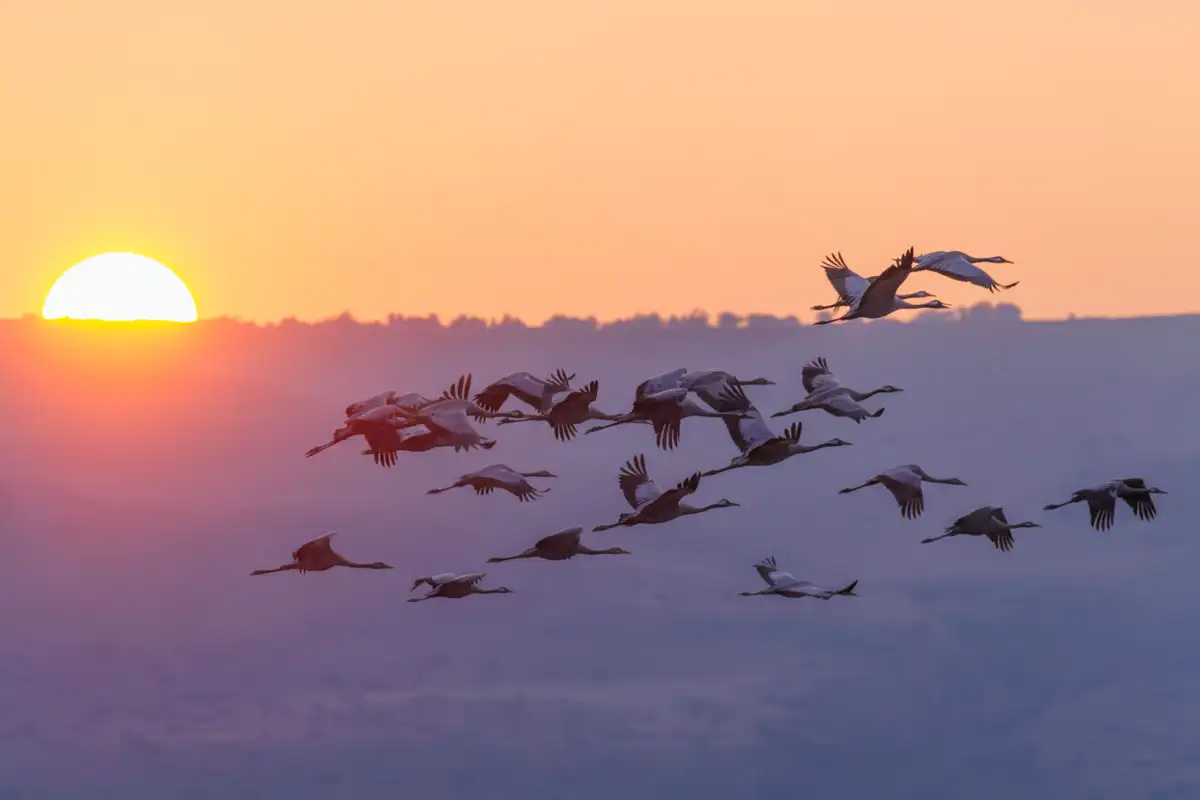
The Great Rift Valley functions as one of the most important bird migration corridors in the world, channelling hundreds of millions of migratory birds between Europe, Asia, and sub Saharan Africa through a geographic funnel created by the mountain ranges that border the valley on both sides. Between August and November on the southward migration and between February and May on the northward return, the skies above the Rift Valley lakes and the Ethiopian highlands carry migrant raptors, waders, storks, and passerines in numbers that have been recorded in the billions across the full corridor length.
The Bale Mountains in Ethiopia are a prime location for observing the southward raptor migration between September and November when Steppe Eagles, Steppe Buzzards, and various harrier species move through in significant numbers. Lake Ziway in Ethiopia between October and March holds large concentrations of migrant waders and storks that arrive from their European breeding grounds. Hell's Gate National Park in Kenya is one of the most productive raptor migration watch points in East Africa during October and November, when the thermal columns rising from the rift floor carry thousands of birds of prey in visible spiralling flocks. Lake Baringo in Kenya holds migrant waders between September and April and Lake Manyara in Tanzania accumulates migrant waterfowl between November and March.
The African Migrations Calendar — When to Go for Each Event
January and February are the months for the Great Wildebeest calving season in the Ndutu area of Tanzania, the Burchell's Zebra peak on the Nxai Pan in Botswana, and the beginning of the marine turtle nesting season at iSimangaliso in South Africa and on the Mozambique archipelagos.
March sees the wildebeest northward movement beginning in the central Serengeti while the marine turtle nesting season continues on the east coast and the Amur Falcons are completing their southward journey to their wintering grounds in southern Africa.
April and May bring the Grumeti River crossings in Tanzania's Western Corridor and the beginning of the Sardine Run on South Africa's east coast, while the humpback whale northward migration begins passing the Mozambique coast.
June is the peak Sardine Run month along the Wild Coast and KwaZulu Natal, and the first Southern Right Whales of the season arrive at the Western Cape bays. The wildebeest are approaching the northern Serengeti and the Maasai Mara.
July and August are dominated by the Mara River crossings on both the Tanzanian and Kenyan sides of the border, the peak Southern Right Whale calving period at Walker Bay near Hermanus, and the dry season Chobe elephant congregation along the Botswana river.
September and October bring sustained Mara crossings, the peak Southern Right Whale mother and calf activity at De Hoop in South Africa, the Carmine Bee Eater colonies at their fledging peak in Zambia and Zimbabwe, the Amur Falcon aggregation in Ethiopia before the Arabian Sea crossing, the first fruit bats arriving at Kasanka in Zambia, and the beginning of the marine turtle nesting season.
November is the month when the Kasanka bat migration reaches its absolute peak with up to ten million bats in the roost simultaneously, when the Liuwa Plains wildebeest gathering in Zambia is building toward its December maximum, and when the wildebeest return migration through the central Serengeti is in full green season motion.
December sees the Liuwa Plains at maximum wildebeest density, the Kasanka bats beginning their departure, the wildebeest returning to the southern Serengeti in preparation for January's calving season, and the whale shark aggregation in Djibouti reaching its peak in the Gulf of Tadjoura.
How Much Does Each African Migration Experience Cost in 2026?
Cost Guide by Migration
The Great Wildebeest Migration spans the widest price range of any African migration because of the depth of its tourism infrastructure. Budget tented camps near the Maasai Mara or Serengeti cost approximately USD 150 to USD 300 per person per night. Mid range camps inside or near the park run from USD 400 to USD 900 per person per night. Luxury tented camps and lodges range from USD 1,500 to USD 4,000 per person per night, with ultra luxury properties including Singita and andBeyond reaching USD 4,000 and above.
The Burchell's Zebra Migration in Botswana is a higher baseline cost destination because Botswana's low volume high value conservation model means that budget options are limited. Expect to pay USD 400 to USD 600 per person per night at the more accessible end and USD 1,500 to USD 3,500 per person per night at the luxury level.
The Kasanka Bat Migration in Zambia is one of the most affordable significant migration experiences in Africa, with Wasa Lodge rates in the range of USD 200 to USD 400 per person per night at the budget end and USD 900 to USD 1,800 at the luxury end.
The Sardine Run in South Africa is costed differently from accommodation based safaris because the primary experience is a day charter on the water. Day boat and dive charter costs range from USD 100 to USD 500 per person per day depending on the operator and the format of the experience. Accommodation on the Wild Coast and KwaZulu Natal coast ranges from USD 80 per night at guesthouse level to USD 1,500 per night at the most exclusive coastal lodges.
The Southern Right Whale experience is the most accessible major migration experience in terms of pure cost because the land based whale watching from the cliff paths above Walker Bay is completely free. Accommodation in Hermanus ranges from USD 80 per night at guesthouse level to USD 2,000 per night at boutique hotels, and the whale watching boat trips are typically USD 80 to USD 150 per person.
The Liuwa Plains Wildebeest Migration has limited accommodation options and Liuwa Plains Lodge rates range from approximately USD 400 to USD 1,800 per person per night depending on the season and room category.
Whale shark encounters at Tofo in Mozambique cost approximately USD 80 to USD 150 per person per snorkelling or dive excursion, with accommodation ranging from USD 100 to USD 1,500 per night depending on the property.
Flamingo viewing at Lake Bogoria and Lake Nakuru in Kenya is the most accessible migration experience in terms of total cost, with national park entry fees of approximately USD 60 to USD 80 per person per day and accommodation options ranging from budget guesthouses outside the park at USD 50 per night to luxury lodges at USD 500 to USD 2,000 per night.
All costs above are per person sharing and exclude international flights, internal charter flights where applicable, and park fees where separate.
Expert Recommendations for African Migration Travellers
For the Traveller Who Wants the Most Migrations in One Trip
October and November is the window that delivers the greatest migration density in a single circuit. A ten to fourteen day southern and central Africa programme during this period captures the Kasanka fruit bat migration in Zambia at its absolute peak, the Liuwa Plains wildebeest gathering beginning to build, the tail end of the Maasai Mara wildebeest crossing season, and the opening of the marine turtle nesting season on the KwaZulu Natal and Mozambique coasts. No single trip delivers every African migration because they are distributed across the calendar and the continent, but the October to November window comes closer than any other.
For First Time Migration Travellers
Start with the Great Wildebeest Migration. The combination of scale, predator activity, supporting tourism infrastructure, and the concentration of extraordinary wildlife in a single accessible ecosystem makes this the most reliable introduction to African migration travel. Choose February in the Ndutu area for predator action at reasonable cost or July to October in the northern Serengeti or Maasai Mara for the river crossings.
For Experienced Safari Travellers Seeking Something Genuinely New
The Kasanka Straw Coloured Fruit Bat migration is the single most underrated and most astonishing wildlife event in Africa. Ten million bats emerging from one hectare of swamp forest at dusk is an experience that no amount of Serengeti trips has prepared you for. Combine Kasanka in November with Liuwa Plains for an entirely off the beaten path Zambia migration circuit that receives a fraction of the international attention its scale deserves.
For Marine Migration Specialists
A Mozambique circuit in October through December covers whale sharks at Tofo, late season humpback whales in the Mozambique Channel, and marine turtle nesting on the Bazaruto and Quirimbas archipelagos. Combine this with a South Africa Southern Right Whale visit in September at Hermanus and the Sardine Run in June for the most concentrated marine migration programme available anywhere in the world.
For Bird Migration Enthusiasts
The Ethiopian Rift Valley in October and November for the Amur Falcon aggregation, combined with the Zambian Carmine Bee Eater colonies in September and the Rift Valley flamingo lakes in Kenya at any season, produces the most specifically rewarding bird migration programme available in East and Central Africa. The combination can be connected through a single East and Central Africa circuit in roughly two weeks.
For Couples Seeking a Romantic Migration Experience
The Southern Right Whale calving season at Hermanus and De Hoop in September and October is one of the most specifically romantic migration experiences available anywhere in Africa, combining the drama of the whale activity with the extraordinary beauty of the Western Cape coastal landscape. The Sardine Run in June provides a shared adrenaline experience unlike anything else on the continent. The Great Wildebeest Migration river crossings remain the most universally rewarding first migration experience for couples visiting Africa.
Frequently Asked Questions About African Animal Migrations
What is the largest animal migration in Africa? By total animal count, the Kasanka Straw Coloured Fruit Bat migration in Zambia is the largest, involving between eight and ten million individuals. By total biomass, the Great Wildebeest Migration involving approximately 1.5 million wildebeest, 200,000 zebra, and 500,000 gazelles represents the largest terrestrial mass movement.
What is the longest animal migration in Africa? The Burchell's Zebra migration between the Okavango Delta region and the Makgadikgadi Pans in Botswana covers a return distance of approximately 500 kilometres and was confirmed in 2012 as the world's longest known terrestrial mammal migration.
What are the best migrations to see in Africa in 2026? The Great Wildebeest Migration river crossings from July through October in Tanzania and Kenya, the Sardine Run in June in South Africa, the Southern Right Whale calving season in September and October at Hermanus, the Kasanka fruit bat migration in November in Zambia, and the Liuwa Plains wildebeest gathering in November and December in Zambia represent the most accessible and most spectacular options in the 2026 calendar.
Is the Great Migration the only migration in Africa? No. The Great Wildebeest Migration is the most famous but Africa hosts dozens of significant annual migrations across land, ocean, river systems, and air. These include the Burchell's Zebra migration in Botswana, the White Eared Kob migration in South Sudan, the Sardine Run in South Africa, the Southern Right Whale migration, multiple marine turtle nesting migrations, the Amur Falcon migration through Ethiopia, the Carmine Bee Eater breeding aggregations, the Kasanka fruit bat migration, and the continuous flamingo movements of the Great Rift Valley.
What is the Sardine Run in South Africa? The Sardine Run is the annual northward movement of billions of sardines along the KwaZulu Natal coast of South Africa between May and July, driven by a cold water current from the Agulhas Bank. It attracts thousands of dolphins, sharks, Cape gannets, and whales in one of the largest marine predator aggregations on earth and is accessible to snorkellers and divers from the Wild Coast and KwaZulu Natal beaches during the June peak.
Where is the White Eared Kob migration? The White Eared Kob migration takes place in South Sudan's Boma and Jonglei regions, involving approximately 1.2 million White Eared Kob along with hundreds of thousands of Mongalla gazelle and tiang antelope. It is the largest land migration in Africa outside the Serengeti ecosystem and one of the least witnessed by international travellers.
What is the Kasanka bat migration? The Kasanka bat migration is the annual gathering of eight to ten million Straw Coloured Fruit Bats at Kasanka National Park in central Zambia between October and December. It is the world's largest mammal migration by individual count and produces one of the most dramatic wildlife spectacles in Africa. It is witnessed by fewer than a thousand international visitors annually.
When is the best time to see whales in South Africa? Southern Right Whales are present in South African coastal waters between June and November, with the peak calving season for mother and calf pairs occurring between September and October at Walker Bay near Hermanus and at De Hoop Nature Reserve.
Can you swim with whale sharks in Africa? Yes. The best whale shark swimming experiences in Africa are at Tofo Beach near Inhambane in Mozambique between October and March, and in the Gulf of Tadjoura in Djibouti between November and January.
What is the flamingo migration in Africa? African flamingo migrations involve Lesser and Greater Flamingos moving between the alkaline lakes of the Great Rift Valley in Kenya, Tanzania, and Ethiopia in response to changes in algae availability and water levels. The largest concentrations occur at Lake Natron in Tanzania during the breeding season from June to October and at Lake Bogoria in Kenya year round where over one million birds gather during peak periods.
What is the Liuwa Plains migration? The Liuwa Plains migration involves approximately 45,000 wildebeest gathering in Liuwa Plain National Park in western Zambia between October and December, making it Africa's second largest wildebeest migration after the Serengeti Migration. It is one of the least visited major wildlife spectacles in Africa.
How does the Amur Falcon migration relate to Africa? Amur Falcons breed in eastern Asia and migrate annually to southern Africa. They stage in Ethiopia and the Horn of Africa in October and November before making a non stop crossing of the Arabian Sea, the longest oceanic flight of any known small bird. Hundreds of thousands of birds gather in the Ethiopian Rift Valley during this staging period.
Where can I see marine turtles nesting in Africa? The best marine turtle nesting experiences in Africa include the Leatherback and Loggerhead nesting beaches of iSimangaliso Wetland Park in South Africa between October and February, the Green and Hawksbill nesting beaches of the Bazaruto and Quirimbas Archipelagos in Mozambique between October and March, and the Green Turtle nesting areas of Watamu Marine Reserve in Kenya between October and March.
What is the Chobe elephant migration? The Chobe elephant migration is the seasonal movement of over 130,000 elephants between the permanent Chobe River in Botswana during the dry season and the interior woodlands of Chobe National Park during the wet season. The dry season congregation at the Chobe River is the largest elephant gathering in Africa and is visible from boat safaris operating from Kasane.
Which African migration is most underrated? The Kasanka Straw Coloured Fruit Bat migration in Zambia. Ten million bats emerging from one hectare of forest at dusk is the world's largest mammal migration and is witnessed by fewer than a thousand international visitors annually, compared to the hundreds of thousands who visit the Serengeti for the wildebeest crossings.
How do I see multiple African migrations in one trip? Plan a ten to fourteen day southern and eastern Africa circuit in October and November. This window overlaps the Kasanka fruit bat migration, the Liuwa Plains wildebeest gathering, the marine turtle nesting season beginning, and the tail end of the Maasai Mara and Northern Serengeti migration crossings. Combining Zambia with South Africa's KwaZulu Natal coast provides the broadest migration programme available in a single trip.
Book Your African Migration Experience Through Plan My Experiences
Why Plan My Experiences Is the Right Platform for Africa's Full Migration Calendar
Most travel platforms know the Great Wildebeest Migration. Very few know the Kasanka fruit bat migration. Almost none have operators who can manage a White Eared Kob migration experience in South Sudan or a Liuwa Plains wildebeest circuit with logistics handled by someone who has driven those specific roads in the specific season you are planning to visit.
Plan My Experiences is the premier African travel marketplace built around exactly this breadth of local knowledge. The platform connects travellers directly with the most vetted, knowledgeable, and locally embedded operators, guides, and experience providers across Africa's full migration geography, from the Serengeti to the Makgadikgadi, from the Wild Coast sardine run to the Djibouti whale sharks, from the Kasanka swamp forest to the De Hoop whale watching cliffs.
Every operator listed on the platform has been assessed for specific local knowledge, community connection, and the operational depth required to deliver the migration experience they are advertising. When you search for a Sardine Run operator, a Kasanka bat migration camp, or a Liuwa Plains specialist on Plan My Experiences, every result reflects a genuine local expert rather than a global aggregator who has listed Africa as a destination category.
How to Build a Multi Migration Africa Itinerary Through Plan My Experiences
Visit the Plan My Experiences website and search by migration type, country, or season. The platform allows you to compare operators across the same migration event, read verified reviews from travellers who completed the experience through the platform, communicate directly with the operator before booking, and build a multi country multi migration itinerary through a single marketplace with transparent pricing and no hidden intermediary markup.
For complex multi migration itineraries combining the Zambia bat and wildebeest circuit with a South Africa whale and sardine programme, the platform's specialist operators can design and manage the full logistics including internal flights, border crossings, and accommodation connections, so that you arrive at each migration event having been put there by someone who has done it many times before.
For Migration Experience Operators, Guides, and Lodge Owners Across Africa
If you operate whale watching boat trips on the South African coast, bat migration guided experiences at Kasanka, flamingo photography tours in the Rift Valley, sardine run dive charters, marine turtle monitoring walks in Mozambique, Liuwa Plains wildlife drives, White Eared Kob expeditions in South Sudan, or any other migration related visitor experience anywhere in Africa, Plan My Experiences gives you direct access to an international audience of migration focused travellers who are specifically seeking the kind of deep specialist knowledge that only a genuine local operator can provide.
Listing your experience is completely free. You set your own pricing and manage your own availability. Plan My Experiences charges a fair commission only on confirmed bookings. Revenue stays in Africa, in the communities and ecosystems and conservation programmes that protect the migration corridors, and with the guides and operators whose knowledge of these extraordinary annual events is what makes every one of them worth the journey.
Africa Is the Migration Continent
The wildebeest crossing the Mara River is one of the most filmed and most visited wildlife events on earth. It deserves every word written about it. But the extraordinary truth about African animal migrations is that the wildebeest crossing is one line in a story that runs for twelve months, across twelve countries, through ocean and desert and forest and floodplain, involving species from the largest land mammal to the smallest bat, in events of equal drama, equal ecological significance, and in several cases equal or superior scale.
Ten million fruit bats over Kasanka. A billion sardines running up the South African coast with eighteen thousand dolphins hunting inside them. A million flamingos on a soda lake in Tanzania that is too caustic for most life to tolerate. One hundred and thirty thousand elephants gathering on a Botswana river. One point two million White Eared Kob moving across a South Sudan floodplain that most of the world has never heard of. Southern Right Whale mothers nursing calves in the sheltered bays of the Western Cape while the Antarctic ice they came from is still visible in the photographs their scientists bring back. Marine turtles hauling themselves up the same beaches their ancestors used before humans existed.
Africa is not a safari destination with one great migration. It is the most migration rich continent on earth and its annual movements, taken together, represent the most sustained and most diverse expression of the natural world's organisational intelligence available to the traveller willing to follow them across the calendar and across the continent.
Start planning your African migration programme at Plan My Experiences. Tell the platform which migration you want to witness and which month you have available. Find the local operator who has been going every year. Book with confidence. And prepare to understand that what you thought was the Great Migration was only the beginning of the story.