The standard Western narrative of traveling through Africa is hopelessly outdated. It depicts a continent frozen in a perpetual state of rustic rurality, where travel is an endless logistics struggle punctuated only by wildlife viewings. Stepping off the aircraft at Jomo Kenyatta International Airport in Nairobi immediately shatters this monolithic myth. The air is thick with the scent of rich red earth and eucalyptus, yet the immediate landscape is defined by sleek toll highways and towering glass skyscrapers.

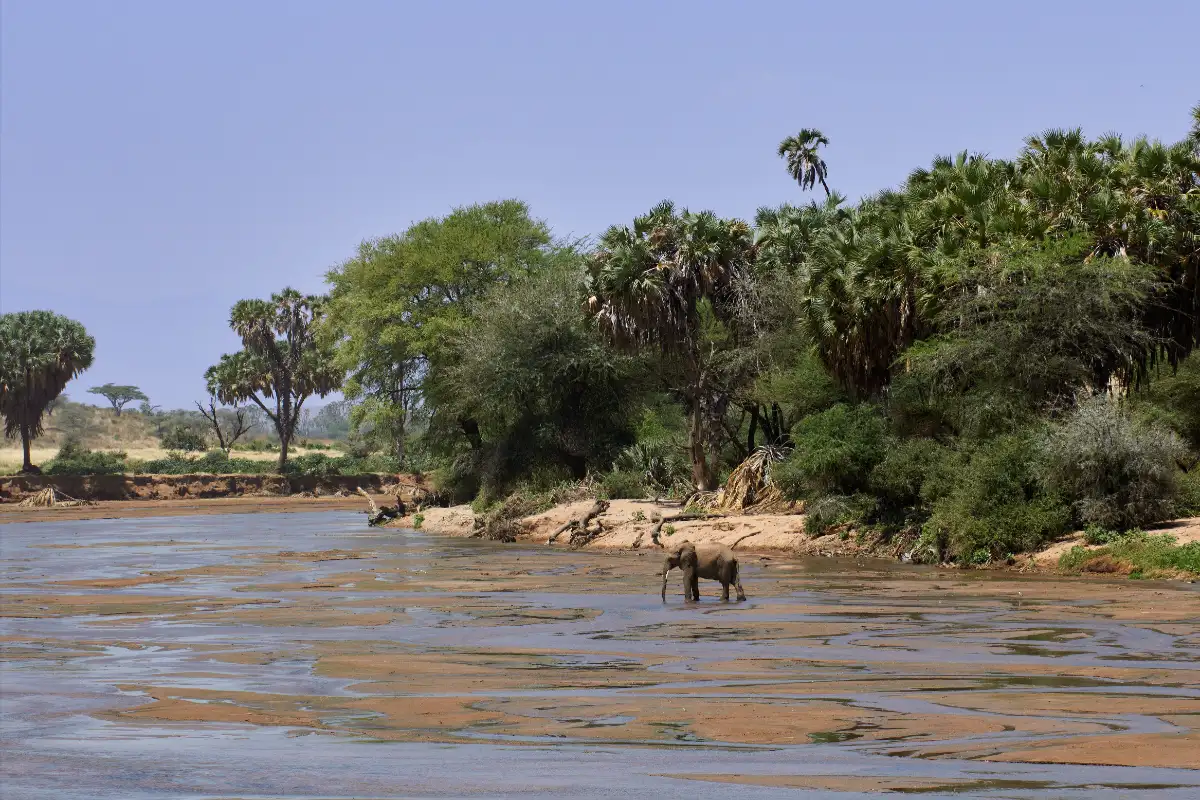
Observe the vast scale of the landscape pictured above. When organizing independent travel across these regions, the physical infrastructure dictates your entire timeline. A route that appears short on a digital map can take a full day of driving due to varying terrain types, highlighting why local navigation expertise is irreplaceable.
Key Takeaways
Cash is Outdated: Digital financial networks have completely leapfrogged traditional banking, making physical currency secondary in many regions.
Unified Visas Simplify Transit: Regional agreements like the East Africa Tourist Visa significantly reduce border complexities for multi country itineraries.
Urban Hubs are Tech Centric: Major African cities operate as sophisticated corporate and creative centers with advanced digital infrastructure.
Direct Booking Empowers Communities: Reserving safaris and excursions through platforms that source local operators ensures economic equity and superior guiding quality.
Fact Box: Core Travel Statistics and Logistics
M Pesa Market Share: Over 70% of electronic financial transactions in Kenya utilize mobile money services.
East Africa Tourist Visa Fee: Exactly 100 US dollars for a 90 day multi entry permit covering Kenya, Rwanda, and Uganda.
Nairobi National Park Proximity: Located just 7 kilometers from the central business district of Nairobi.
Serengeti Wildebeest Population: More than 1.5 million wildebeest migrate through the Serengeti ecosystem annually.
Aviation Tax Burdens: Regional domestic aviation taxes can comprise up to 40% of the total flight ticket cost within Africa.
The Digital Revolution Transforming Logistics
Mobile Money Dominance Over Physical Cash
The greatest shock for any modern traveler is the near total obsolescence of physical cash in daily transactions across countries like Kenya and Tanzania. While international travelers routinely stock up on crisp US dollar bills printed after 2013, local commerce moves entirely via cellular networks. The integration of mobile money systems has created a cashless ecosystem where everything from roadside fruit stalls to high end boutique hotels prefer digital transfers over paper money.
To navigate this landscape fluidly, you must understand the clear division of utility between payment methods. Mobile money networks like M Pesa enjoy universal acceptance for local transport, food, tips, and park fees, effectively running the entire day to day economy. International credit cards retain high utility but are restricted mostly to major hotel chains, international car rental agencies, and premium urban restaurants. Meanwhile, physical US dollar banknotes remain highly specific tools, primarily required for paying mandatory entry fees at overland borders or settling premium gratuities in remote safari conservation zones.
Local Insights on FinTech Accessibility
To operate efficiently, international visitors should register for a local SIM card immediately upon arrival at hubs like Cape Town International Airport or Jomo Kenyatta International Airport. By linking your passport to a Safaricom or MTN network provider account, you can deposit funds into a mobile wallet. This eliminates the security risk of carrying thousands of dollars in physical cash and guarantees you can pay local operators in their preferred medium instantly.
Navigating Transit and Regional Border Crossings
The Practical Realities of Multi Country Visas
Independent travelers often assume that moving between neighboring African nations is as seamless as traversing the Schengen Zone. In reality, border logistics require meticulous paperwork. Fortunately, regional cooperation has yielded highly efficient solutions for proactive planners. The East Africa Tourist Visa is an exceptional mechanism that permits seamless movement between Kenya, Rwanda, and Uganda without purchasing individual single entry visas for each nation.
Local Insights on Aviation and Road Infrastructure
Aviation connectivity between major African regions remains one of the costliest hurdles due to protectionist open sky policies and heavy taxation. Flying from Nairobi to Johannesburg can sometimes cost more than a flight from London to Nairobi. Conversely, overland road networks have improved dramatically. The highway infrastructure linking major safari hubs to capital cities is smooth and well maintained, though urban traffic congestion in cities like Nairobi can add hours to your schedule if you do not plan departures around peak commuter windows.
Deconstructing the Modern Safari Industry
Beyond the Commercialized Tour Packages
The global perception of an African safari is dominated by massive international booking agencies that bundle accommodation, transport, and park access into rigid, highly inflated packages. The surprise for independent travelers is how detached these commercial packages are from the reality on the ground. Booking directly through regional marketplaces reveals a highly competitive ecosystem of independent, locally owned tour operations that offer identical game drive access to premium conservation zones at a fraction of corporate prices.
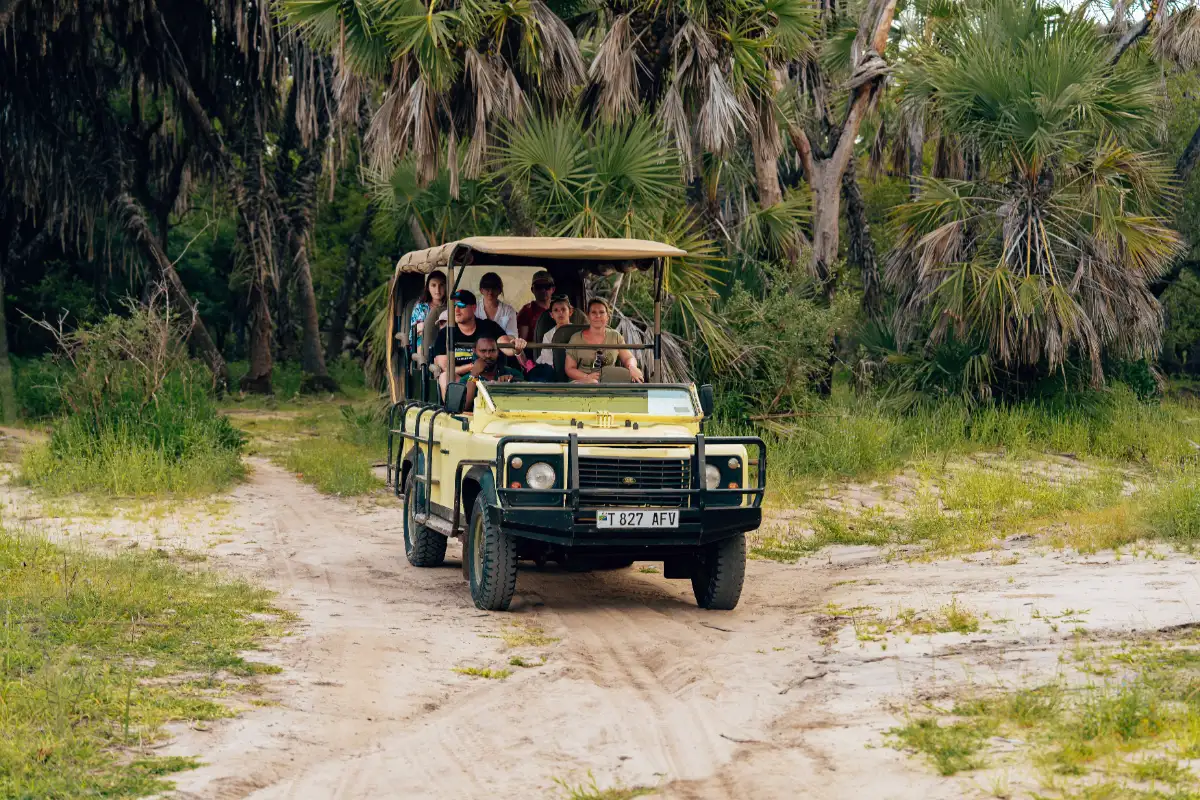
When you deconstruct the actual expenses of an independent safari, the financial layout divides into three distinct streams. First are the non negotiable national park conservation fees, which are set daily rates paid directly to state bodies like the Kenya Wildlife Service or Tanzania National Parks Authority. Second is the customized safari vehicle rental, which carries a fixed daily cost that covers the fuel, the specialized four by four vehicle, and the services of a certified local driver guide. Third is the community lodge accommodation, where choosing local properties ensures your funds flow directly to adjacent villages rather than overseas corporate parent entities.
Local Insights on Community Protected Ecosystems
True wildlife authority does not reside in the luxury lounge of a foreign owned lodge, it rests with the local guides who grew up tracking wildlife across the savannah. Opting for community managed conservancies adjacent to national parks, such as the ancestral lands surrounding the Maasai Mara or Amboseli, provides two distinct advantages. First, vehicles are permitted to go off road for exceptional sightings. Second, the financial resources generated directly sustain local community land leases and educational initiatives.
Urban Realities and Cultural Dynamics
The Sophistication of Major Economic Hubs
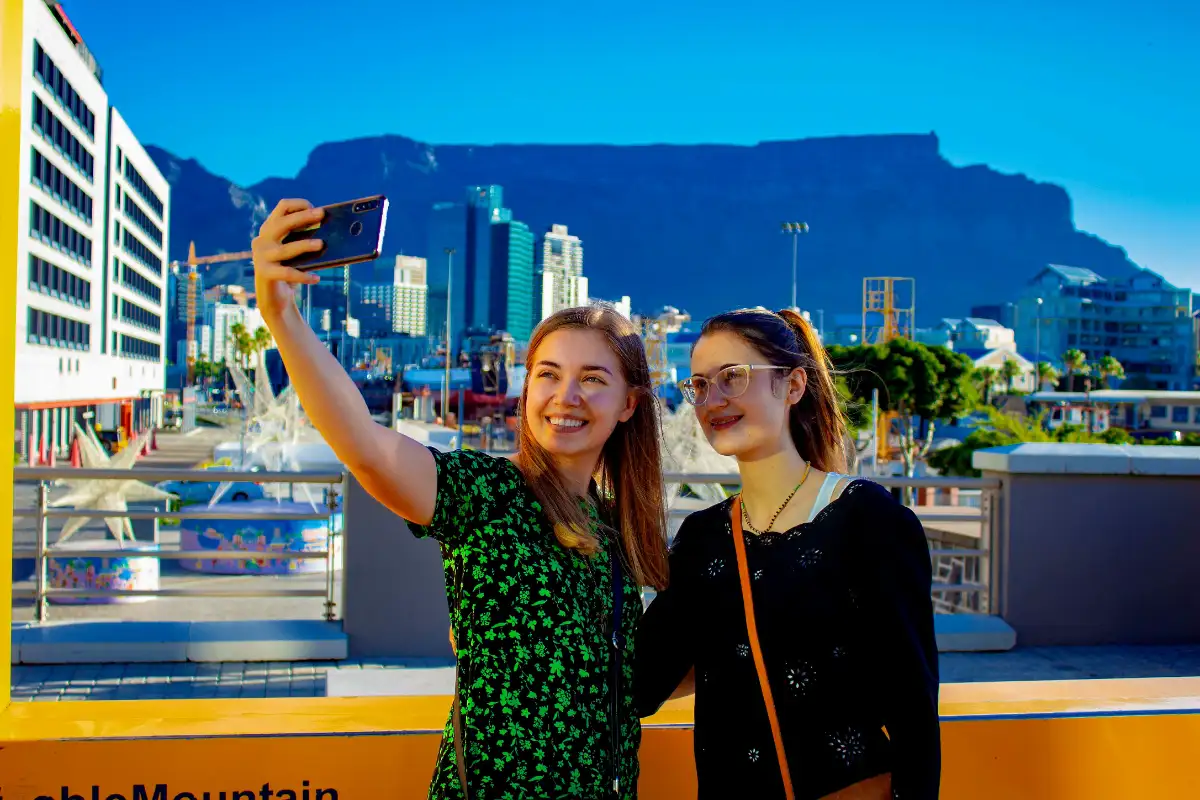
The global media rarely highlights the vibrant urban culture of modern African cities. Spending time in neighborhoods like Westlands in Nairobi or Rosebank in Johannesburg reveals a thriving culinary, artistic, and entrepreneurial scene. These cities boast cutting edge design studios, third wave coffee houses sourcing local beans from the highlands, and sophisticated tech incubators driving global software solutions.
Local Insights on Social Norms and Etiquette
Politeness and formal greetings are foundational pillars of social interactions across Africa. In Western cities, efficiency is prized, and travelers often launch directly into transactional requests. In African destinations, failing to ask an individual about their day or their family before requesting directions or service is considered profoundly rude. Taking five seconds to exchange a warm greeting completely alters the dynamic of your interaction, opening doors to authentic local hospitality.
Practical Travel Guide
Definitions of Core Regional Terms
M Pesa: A cellular phone based money transfer, financing, and microfinancing service utilized globally as the gold standard of mobile financial technology.
Boda Boda: A motorcycle taxi commonly used across East Africa for rapid transit through urban traffic jams and rural dirt tracks.
Chama: A community based cooperative group or informal savings pool used by locals to invest in businesses, land, or social development projects.
Matatu: Privately owned minibuses decorated with custom graphic art that serve as the primary mode of public transportation in Kenyan urban areas.
Comparative Analysis of Regional Hubs
Navigating through different African urban hubs reveals distinct operational profiles regarding transit mechanics, daily budgets, and digital infrastructure strength. In Nairobi, Kenya, the transit ecosystem relies heavily on digital ride hailing applications and quick boda boda motorcycle services for short distances. A mid tier daily budget hovers around 120 US dollars, supported by an exceptionally reliable cellular network featuring widespread five G and fiber optic connectivity.
Moving south to Kigali, Rwanda, the experience shifts toward highly regulated, metered moto taxis where safety helmets are mandatory for every passenger. The city wide public wireless internet infrastructure makes digital communication seamless, while a comfortable mid tier daily baseline requires approximately 140 US dollars due to premium boutique accommodation costs.
In Cape Town, South Africa, the geographical layout demands private vehicle rentals or reliance on localized highway transit lines. The digital network reliability matches global standards with extensive mobile broadband coverage across the entire peninsula. Because of the sophisticated culinary scene and extensive coastal excursions, an independent traveler should anticipate a daily mid tier expenditure of roughly 160 US dollars.
Meanwhile, Arusha, Tanzania, operates primarily as a launchpad for deep wilderness safaris, where transportation is dominated by organized four by four safari units rather than daily urban transit. The digital network remains moderate, proving highly dependable within the town center but dropping to basic coverage in the outlying wilderness. Due to the proximity of premium conservation areas and mandatory park entry tariffs, the mid tier daily spending metric elevates to approximately 220 US dollars.
Frequently Asked Questions
Is it safe to travel independently through Africa for a month?
Yes, independent travel is highly viable and safe when sticking to established travel routes and exercising standard urban awareness. Major destinations across East and Southern Africa possess robust security infrastructures dedicated to protecting travelers.
How do I handle medical preparations and malaria prevention?
You must consult a travel clinic at least six weeks before departure. Most nations require proof of Yellow Fever vaccination if arriving from an endemic zone. Proactive malaria prophylaxis such as Atovaquone Proguanil is strongly advised for lowland safari regions.
Can I use my standard international credit cards everywhere?
International credit cards are easily accepted in major retail establishments, supermarkets, and luxury hotels within large urban centers. However, independent providers, rural markets, and small transportation services require mobile money transfers or local cash.
What is the best season to witness the Great Wildlife Migration?
The migration is a continuous year round loop driven by rainfall patterns. The iconic river crossings across the Mara River typically occur from July through October, while the calving season unfolds in the southern Serengeti during January and February.
How expensive are internal regional flights within the continent?
Internal flights are disproportionately expensive compared to European or North American domestic routes. Budgeting between 200 and 500 US dollars per regional cross border flight is common due to limited carrier competition and high airport landing tariffs.
Is internet connectivity reliable for remote digital work?
Major capital cities feature highly reliable fiber optic connections and extensive 5G cellular coverage. Remote safari camps often provide satellite internet infrastructure, though bandwidth can drop significantly during heavy storms.
Do I need to hire a guide for national parks or can I drive myself?
While independent driving is fully possible in South African parks like Kruger, hiring a certified local guide in East African parks like the Serengeti or Maasai Mara is highly recommended. Local tracking expertise and radio networks ensure you find elusive wildlife safely.
What should be included in a basic destination packing list?
Prioritize lightweight neutral clothing, a durable windproof jacket for early morning game drives, sturdy walking shoes, premium insect repellent containing DEET, a high quality power bank, and a universal plug adapter set.
Can I drink tap water in major African cities?
Bottled, filtered, or purified water is recommended for international travelers throughout most regions. Major metropolitan areas like Cape Town possess treated municipal water, but consuming bottled water eliminates any risk of travel related stomach issues.
How do local communities benefit when I book an independent tour?
Booking tours through localized marketplaces ensures that financial margins bypass foreign corporate aggregators. This allows up to 85% of your total expenditure to remain within the local economy, directly supporting guides, cooks, and community land leases.
How to Book Through Plan My Experiences
Navigating the diverse travel landscape of Africa requires a platform that bridges the gap between independent modern travelers and authentic regional providers. Plan My Experiences operates as a unified travel canvas designed to eliminate fragmented booking processes and exorbitant international agent fees. By consolidating curated activities, verified local accommodations, and reliable airport transfer companies into one seamless interface, the platform removes the complexity of planning a multi country African itinerary.
This digital ecosystem delivers profound, symmetrical advantages to both sides of the travel equation. For independent travelers, the framework yields direct access to thoroughly vetted local experts, completely bypassing the inflated premium markups imposed by foreign booking agencies. Every itinerary features transparent fee structures coupled with verified customer review metrics, allowing users to assemble and coordinate multi destination trips on a single, clean digital workspace.
Simultaneously, the platform transforms operations for localized providers. It gives tour operators, accommodation hosts, and regional transfer companies complete ownership over their pricing models, seasonal schedules, and unique brand identities. Instead of waiting months for international wire payouts, local businesses benefit from immediate financial processing. This provides direct global visibility to small scale entrepreneurs without requiring expensive marketing overheads, keeping tourism capital exactly where it belongs.
Travelers can easily discover regional excursions, compare verified safari itineraries, and book trusted transport services in a secure digital ecosystem. For local tour operators, accommodation providers, and transfer companies, Plan My Experiences serves as an essential reputation management tool. It empowers local entrepreneurs to present their deep expertise directly to global consumers, ensuring that the financial rewards of African tourism directly enrich the communities hosting these unforgettable journeys.
Final Thoughts
A 30 day journey across Africa reveals a continent that defies simplistic global stereotypes. It is an area where ancient natural rhythms coexist seamlessly with fast paced digital innovation. By moving past generic corporate brochures and choosing experience driven, independent itineraries, you unlock the true essence of these diverse nations. Utilizing local infrastructure, adopting regional financial technologies, and booking through community transparent platforms like Plan My Experiences transforms your journey from a standard vacation into a profound investment in the local creative and economic ecosystem