The smell of burning frankincense mingles with the cool mountain air inside a church hollowed out from solid pink volcanic rock, while white robed pilgrims chant softly in a language unchanged for millennia. This sensory reality in the highlands of Ethiopia illustrates why cultural tourism in Africa offers the most profound depth available to any modern traveler. For too long, global travel narratives have framed the continent almost exclusively as a wildlife destination, reducing an entire landmass to a collection of safari parks. While witnessing a pride of lions is undeniably spectacular, it is the human tapestry, the living ancient histories, the architectural masterworks, and the musical lineages that provide the true soul of any journey. Cultural tourism in Africa allows the curious visitor to move beyond the role of a passive observer looking through a camera lens. It invites you to participate in active living traditions, to understand complex historical narratives through local perspectives, and to directly contribute to the preservation of heritage. This comprehensive guide details ten of the most exceptional, geographically diverse cultural destinations across the African continent, crafted specifically for travellers seeking genuine depth and for the extraordinary local operators who keep these heritages alive.
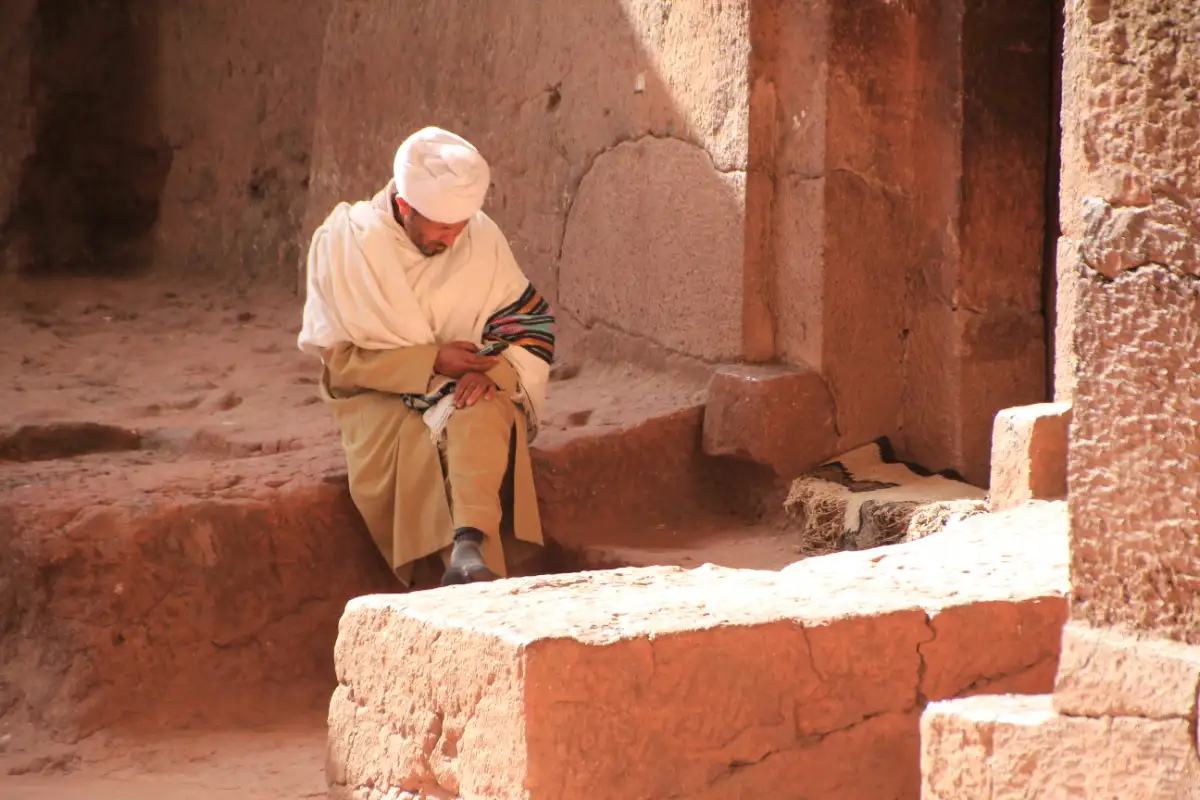
Lalibela Ethiopia — The City Carved From Volcanic Rock
The Ancient Citadel of Christian Monasticism
Monolithic architecture achieves its global pinnacle in the mountains of northern Ethiopia. Lalibela represents an ancient civilisation that intentionally re-created Jerusalem on African soil during the thirteenth century under the direction of King Gebre Meskel Lalibela. What makes this destination utterly unique is that these eleven medieval structures were not constructed with blocks, mortar, or timber. Instead, armies of ancient stonemasons hollowed them directly out of the mountain basalt bedrock, working downwards into the earth to create freestanding, subterranean sanctuaries complete with intricate columns, catacombs, and drainage systems.
Immersion in Living Antiquity
Explore Bet Giyorgis: Stand at the edge of the deep trench to gaze down at the iconic, cruciform roof of the Church of Saint George, then descend through the rock cut tunnels to enter a chamber that has hosted continuous daily services for over seven hundred years.
Attend Morning Liturgy: Wake before dawn to witness the mesmerizing spectacle of thousands of pilgrims wrapped in white cotton shamma cloths filling the stone courtyards, their prayers punctuated by the rhythmic thrum of traditional wooden sistrum rattles and large leather drums.
Walk the Subterranean Network: Traverse the pitch black tunnels that connect the northern group of churches to the southern cluster, a physical journey designed by ancient architects to symbolize a pilgrim passage through purgatory into heaven.
Logistics and Respectful Engagement
Who It Is Best Suited For
History enthusiasts, spiritual seekers, and travellers fascinated by sacred architecture who do not mind navigating steep, uneven stone steps and dark walkways.
Best Time to Visit
January is magnificent, specifically during Timkat, the Ethiopian Orthodox Epiphany, when the entire town transforms into a vibrant, multi day festival of song, dance, and water blessings.
Cultural Protocol Note
Visitors must remove their shoes before crossing the threshold of any church, and women should cover their heads and shoulders with a light cotton scarf out of respect for local religious traditions. Avoid using flash photography during active prayers, and ensure your guiding fees go directly to the local church administration or certified community guides.
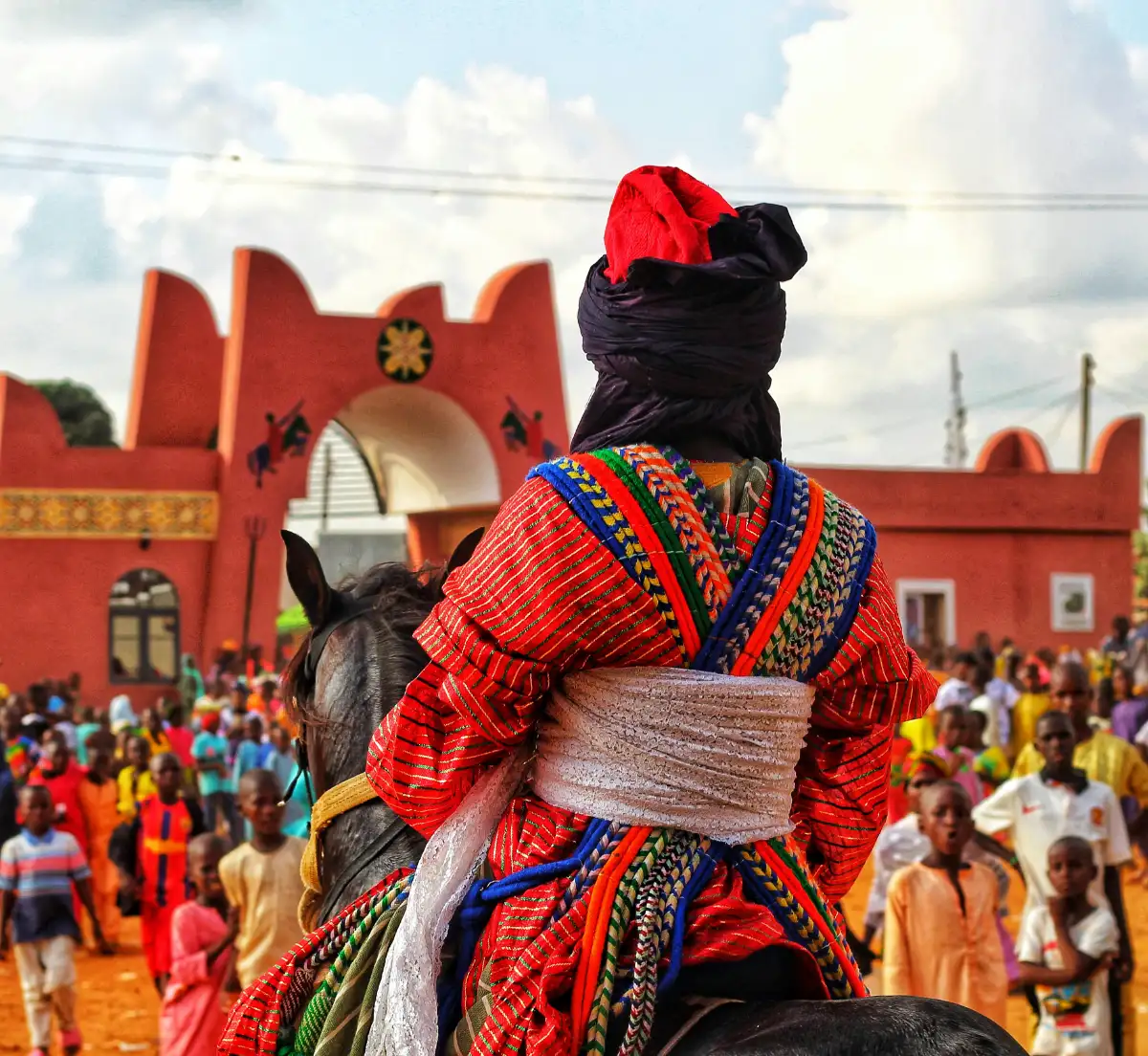
Kumasi Ghana — The Living Heart of the Ashanti Kingdom
The Safeguarded Epicentre of West African Royal Tradition
Stepping into Kumasi means entering the beating pulse of the historic Ashanti Empire, an autonomous nation within Ghana that maintains its royal lineage with immense contemporary pride. Unlike destinations where royal history is confined to dusty museum displays, the Ashanti culture thrives in the daily governance, market systems, and ceremonial life of this bustling forest city. The region serves as the definitive global capital of specific craft heritages, most notably the weaving of kente cloth, which was historically reserved exclusively for royalty and signifies specific proverbial meanings through its complex geometric patterns.
Participate in Royal and Artistic Lineages
Witness the Akwasidae Festival: Plan your journey around this spectacular celebration held every six weeks at the Manhyia Palace, where the Asantehene king sits in state surrounded by court linguists, royal drum ensembles, and sub chiefs carried in massive, brightly colored palanquins.
Weave Kente in Bonwire: Travel to the nearby artisan village of Bonwire to sit at a traditional wooden foot loom with master weavers, learning how the vibrant yellow, red, and blue threads are manipulated to create garments that communicate specific historical stories.
Stamp Adinkra Symbols in Ntonso: Visit the workshop of local practitioners who boil the bark of the badie tree to create a thick black dye, then use carved calabash stamps to print sacred adinkra philosophy symbols onto fabric.
Logistics and Respectful Engagement
Who It Is Best Suited For
Travellers interested in political history, textile arts, and West African diaspora heritage who want to understand the mechanics of a living African monarchy.
Best Time to Visit
Between November and February when the weather is relatively dry and the cultural festival calendar is particularly active.
Cultural Protocol Note
When attending any Ashanti funeral or public Akwasidae ceremony, visitors should dress in respectful, dark clothing, typically black or dark red. Always extend greetings to the local elders using your right hand only, as using the left hand is considered a major cultural insult. Photography of the king or high ranking chiefs during sacred moments requires explicit permission from the palace press office.
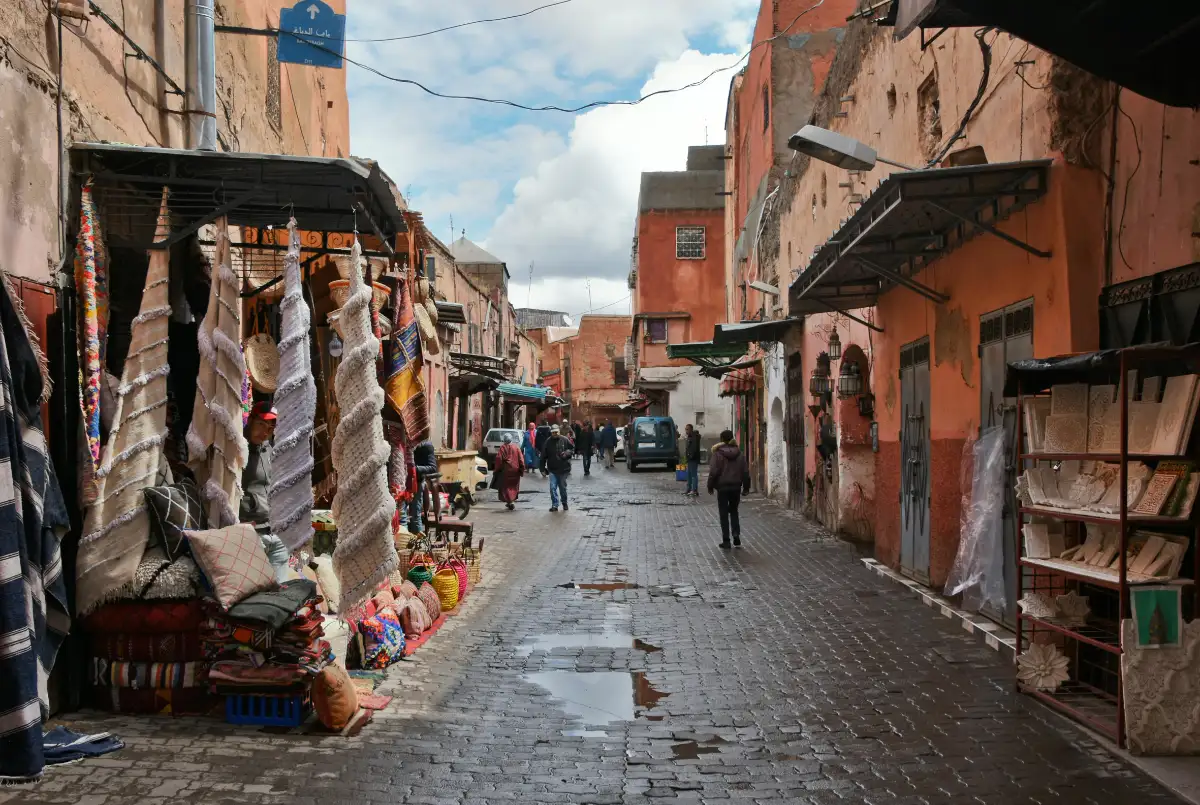
Marrakech Morocco — The Labyrinth of Andalusian Craft
The Architectural Monument of Islamic Design and Living Trade
North Africa offers an unparalleled study in urban preservation within the pink sandstone ramparts of Marrakech. Founded in the eleventh century by the Almoravid dynasty, the city represents a masterful fusion of indigenous Amazigh traditions and refined Andalusian artistry. The cultural significance of Marrakech resides in its ability to maintain its medieval spatial layout, where the giant public square of Jemaa el Fna functions daily as an open air theatre for oral storytelling, snake charming, and traditional musicians, backed by the sprawling lanes of specialized artisan guilds.
Explore the Alleys of the Medina
Trace Geometry at Ben Youssef Madrasa: Wander through the central courtyard of this ancient Islamic college to marvel at the dizzying precision of stuccowork, carved cedar beams, and thousands of hand cut zellij tiles arranged in complex mathematical configurations.
Listen to Storytellers at Jemaa el Fna: Spend an evening on the edge of the great square to observe Halqa performers, the traditional oral storytellers who have preserved historical epics across generations through spoken word performance.
Navigate the Artisan Souks: Walk deep into the covered markets to observe specific metalworkers pounding brass lanterns in Souk Haddadine or leather tanners working with natural dyes in the northern quarters.
Logistics and Respectful Engagement
Who It Is Best Suited For
Lovers of intricate architecture, urban explorers, culinary enthusiasts, and anyone who thrives in high energy, sensory rich marketplace environments.
Best Time to Visit
From September to November or from March to May when daytime temperatures are pleasant enough to allow hours of walking through the sunlit medina streets.
Cultural Protocol Note
Always ask permission before photographing independent artisans or performers in the main square, and expect to pay a small, fair tip of a few dirhams for the privilege. Dress modestly by keeping shoulders and knees covered when exploring traditional residential neighborhoods away from tourist hotels. Bargaining in the souks is an essential cultural dance, but it should always be conducted with a friendly smile and a spirit of mutual respect.

Ouidah Benin — The Sacred Cradle of Vodoun Philosophy
The Epicentre of Spiritual Resistance and Deep Ancestral Memory
Benin preserves a deeply misunderstood religious heritage that serves as the spiritual foundation for millions of people across the Atlantic diaspora. Ouidah is the historical heart of Vodoun, a sophisticated, earth centered spiritual philosophy that recognizes the divine interconnectedness of all natural elements. This coastal town is not merely a place of worship. It is a profound monument to human resilience, acting as one of the primary ports of the historic transatlantic slave trade, where ancestral memories were maintained despite unimaginable trauma.
Trace Sacred Traditions and Historical Paths
Walk the Route des Esclaves: Reconstruct the final two mile walk taken by millions of captured Africans from the historical auction blocks in the town centre to the Door of No Return monument on the edge of the Atlantic Ocean.
Enter the Temple of Pythons: Step into this sacred sanctuary where dozens of royal pythons are revered as symbols of the deity Dangbe, learning how these gentle creatures are integrated into local spiritual protection rituals.
Explore the Sacred Forest of Kpasse: Walk beneath the canopy of ancient iroko trees to view hidden, expressive sculptures representing various Vodoun divinities like Heviosso and Legba, guided by a local initiate who can explain their philosophical meanings.
Logistics and Respectful Engagement
Who It Is Best Suited For
Serious travellers, diaspora historians, and open minded seekers who want to dismantle Western cinematic stereotypes about African spirituality and engage with genuine theological depth.
Best Time to Visit
January tenth is the mandatory date, as it marks National Vodoun Day, drawing thousands of practitioners, traditional chiefs, and international visitors for massive beachfront ceremonies, drumming, and spirit masquerades.
Cultural Protocol Note
Vodoun shrines are active, highly sacred spaces. Never touch any sacrificial offerings, altars, or ritual items unless explicitly invited to do so by a traditional priest. Photography is strictly prohibited during serious ceremonies, though public festival dances are generally open to documentation. It is customary to leave a small monetary offering for the local community shrine keepers when visiting these sacred sites.
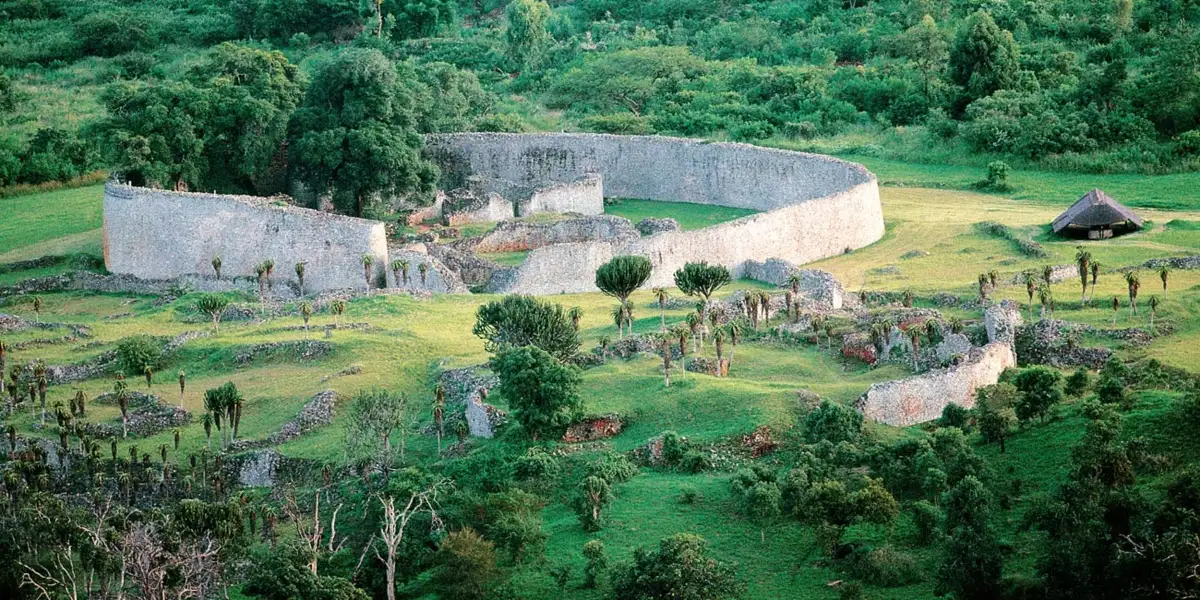
The Great Zimbabwe Ruins Zimbabwe — The Stone Monument of Southern African Royalty
The Architectural Evidence of Precolonial Industrial Power
Southern Africa holds the dramatic stone evidence of a sophisticated, wealthy medieval civilization that dominated global trade routes between the eleventh and fifteenth centuries. The Great Zimbabwe ruins are a massive complex of granite dry stone walls constructed entirely without mortar, curving gracefully around hillsides and valleys. This city was the seat of Shona monarchs who controlled the flow of gold and ivory reaching ports as far away as China and Persia. The sheer scale of the Great Enclosure dismantles old colonial myths that precolonial Africa lacked complex engineering or advanced urban planning.
Decode Ancient Stone Engineering
Ascend the Hill Complex: Climb the steep, naturally fortified stone paths to explore the oldest section of the ruins, where royal spiritual leaders once communed with the ancestors using iconic soapstone bird sculptures.
Marvel at the Great Enclosure: Walk alongside the outer wall which stands over thirty feet high and extends for over eight hundred feet, observing the precise chevron patterns carved into the uppermost stone layers.
Visit the Shona Village Re-creation: Spend time with local Shona cultural practitioners located near the base of the ruins to learn about contemporary oral histories, traditional pottery techniques, and the ongoing spiritual significance of the site.
Logistics and Respectful Engagement
Who It Is Best Suited For
Archaeology buffs, hikers, independent historians, and travellers who enjoy expansive, uncrowded outdoor historical monuments.
Best Time to Visit
The dry winter months from May to October provide cool, clear days that are perfect for climbing the rocky hillsides without the intensity of summer heat.
Cultural Protocol Note
The local people view Great Zimbabwe as a sacred ancestral burial ground and a place of deep national identity. Visitors should maintain a respectful volume, avoid climbing directly on top of the ancient granite walls, and ensure they do not remove any stone fragments from the site. Hiring a local Shona guide at the entrance gate is highly recommended to ensure you understand the complex social structures that built the city.
Timbuktu Mali — The Desert Library of African Scholasticism
The Legendary Confluence of Islamic Scholarship and Sahara Trade
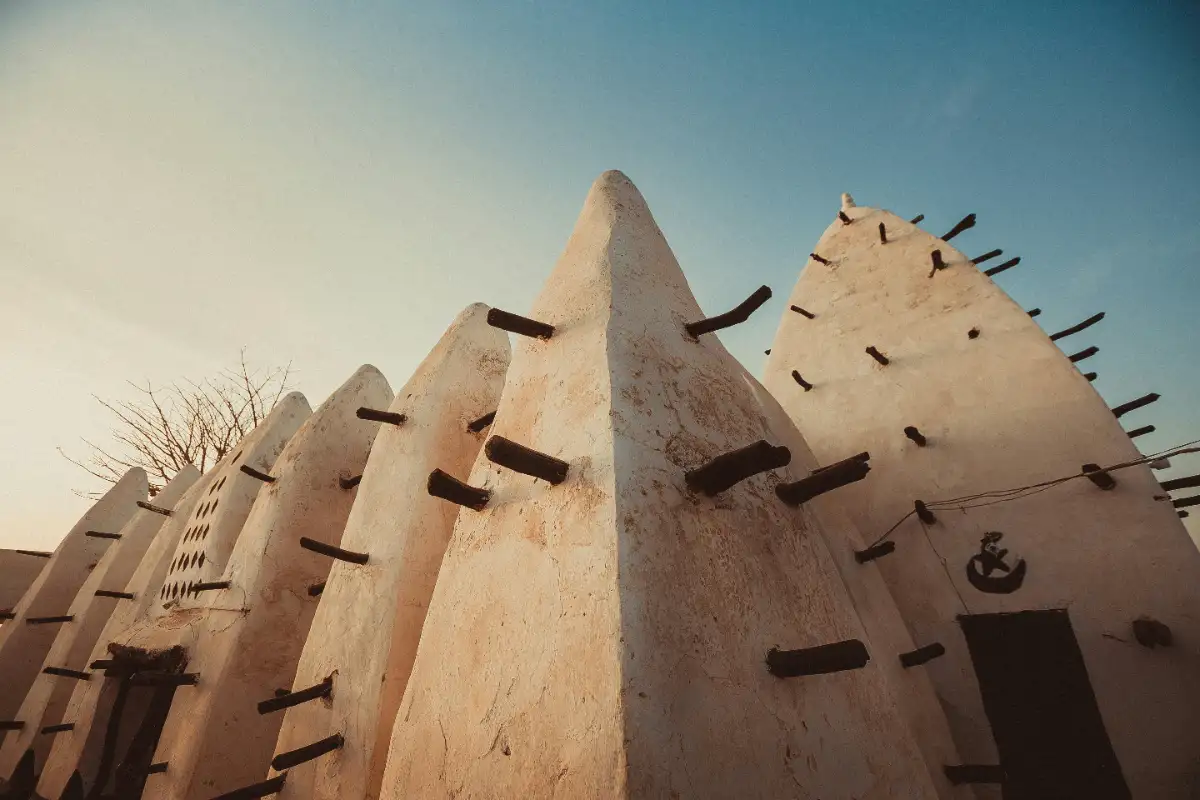
West Africa meets the vast expanse of the Sahara Desert at a legendary trading post that was once the global standard for intellectual achievement. Founded in the fifth century, Timbuktu became the wealthy heart of the Mali Empire under Mansa Musa, transitioning into a premier center of Islamic scholarship during the golden age of the University of Sankore. The true treasure of Timbuktu does not reside in gold, but in its legendary desert libraries, which preserve hundreds of thousands of medieval Arabic manuscripts covering astronomy, medicine, mathematics, and philosophy, proving a rich tradition of written academic history in West Africa.
Journey to the Edge of the Sahara
Study Medieval Manuscripts: Visit the Ahmed Baba Institute or private family libraries to view fragile, beautifully illuminated manuscripts written on parchment and gazelle skin dating back to the fourteenth century.
View Earthen Architecture: Gaze upon the striking facade of the Djinguereber Mosque, a massive mud brick structure built in 1327 featuring protruding wooden beams that serve as permanent scaffolding for annual replastering.
Engage with Tuareg Silversmiths: Meet local Tuareg artisans who work in the small desert workshops, learning how they forge complex geometric silver jewelry that functions as tribal identification and currency.
Logistics and Respectful Engagement
Who It Is Best Suited For
Intrepid travellers, academic historians, and literature lovers who understand that reaching this remote destination requires significant travel patience and a high tolerance for basic infrastructure.
Best Time to Visit
December and January are the coolest months, offering relief from the otherwise punishing desert heat, though sandstorms can occur at any time.
Cultural Protocol Note
Due to recent regional political instability, checking up to date safety advisories is non negotiable. When visiting the historic mosques, ensure your arms and legs are fully covered, and always seek permission from the local community imam before entering interior prayer spaces. Support the local economy directly by purchasing crafts from the Tuareg and Songhai artisans who continue to live within the historic quarters.
The Loango Coast Gabon — The Living Canvas of Central African Earthen Art
The Intertwined World of Ancestral Ritual and Pristine Nature
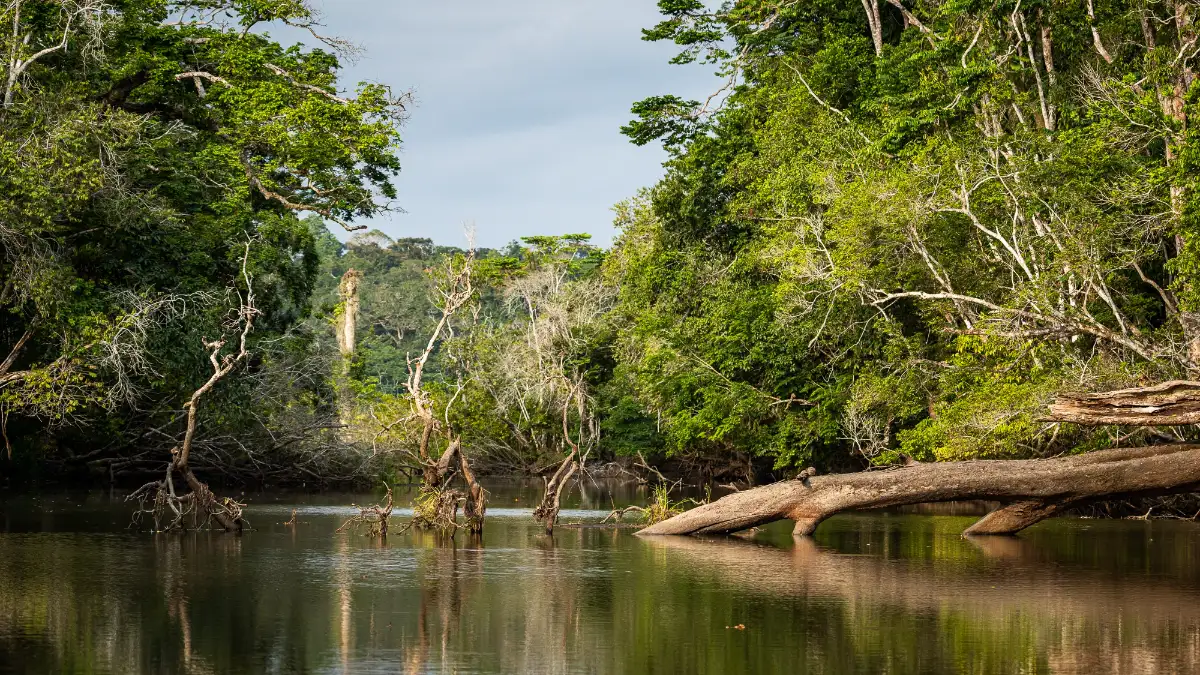
Central Africa offers a rare destination where dense equatorial rainforests meet deep spiritual traditions that have survived the pressures of modernity. The coastal regions of Gabon are home to the Mwiri and Bwiti traditions, complex initiatory systems that use the sacred, visionary root of the iboga plant to facilitate deep ancestral communication and communal healing. The culture here is deeply intertwined with the natural world, where art manifests through dramatic wooden masks, percussive musical instruments, and sacred dances that mirror the movements of forest animals.
Immerse in Forest Philosophies
Observe Traditional Ikoku Dancing: Witness the mesmerizing movements of local dancers who coat their skin in white clay and perform complex footwork to the sound of wooden flutes and stringed mougongo bows.
Study Sacred Mask Carving: Meet local Mitsogo or Punu woodcarvers who create distinctive white faced masks coated in kaolin clay, learning how each facial feature represents a specific spirit from oral mythology.
Explore Forest Communities: Walk with local eco guards through the coastal forests to understand how indigenous knowledge systems have protected this ecosystem for centuries through complex cultural taboos against overhunting.
Logistics and Respectful Engagement
Who It Is Best Suited For
Eco travellers, anthropologists, wilderness lovers, and anyone seeking a deeply raw, non commercialized encounter with Central African cultural systems.
Best Time to Visit
From June to September during the long dry season when forest trails are accessible and local community gatherings are frequent.
Cultural Protocol Note
Bwiti and Mwiri ceremonies are serious, lifelong community commitments, not entertainment performances. Visitors must never treat an active ritual as a casual photo opportunity. Always dress modestly in long trousers, sit quietly where directed by the community elders, and never consume any local ritual substances unless participating in a fully vetted, legally organized cultural exchange program.
Zanzibar Stone Town Tanzania — The Coral Crossroads of the Monsoon Trades
The Syncretic Masterpiece of Maritime Swahili Identity
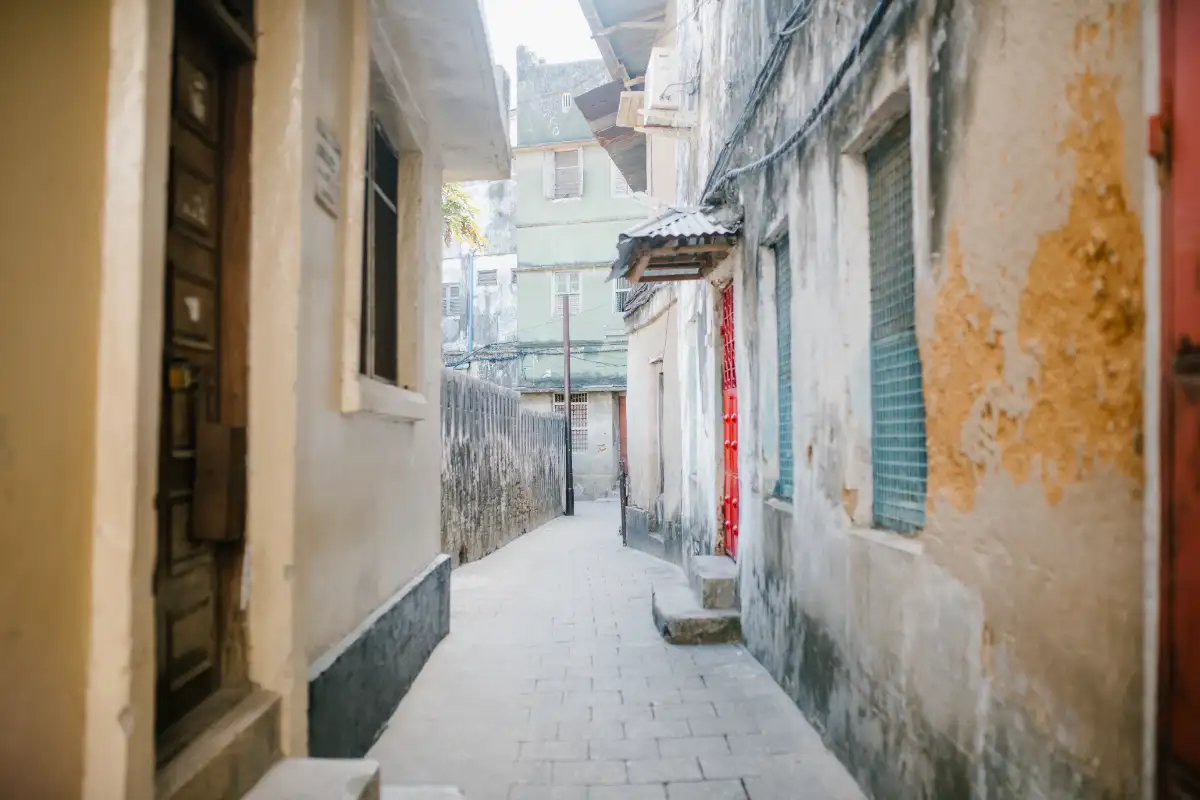
East Africa presents a dazzling display of cultural syncretism along the Indian Ocean shoreline of the Zanzibar Archipelago. Stone Town is a labyrinthine maritime trading hub constructed from local coral rag stone and mangrove timber, reflecting centuries of intense interaction between African, Arab, Persian, Indian, and European civilisations. The cultural significance of this island city is found in its architectural details, most notably the hundreds of brass studded, intricately carved Swahili doors that symbolize the social status, religious devotion, and geographic origin of the historic household owners.
Navigate the Coral Lanes
Map the Carved Doors: Walk the narrow alleys with a local Swahili architectural historian to learn how to distinguish between the rounded Indian Gujarati door designs and the square, geometric Omani Arab layouts.
Taste Swahili Seafood at Forodhani: Spend an evening at the open air waterfront market to sample authentic Zanzibar pizza, grilled octopus, and fresh sugarcane juice infused with ginger and lime.
Explore the Spice Lineages: Journey into the rural shamba areas to visit independent spice farms, learning how the cultivation of cloves, nutmeg, and cinnamon transformed the island politics and global trade routes during the nineteenth century.
Logistics and Respectful Engagement
Who It Is Best Suited For
Food lovers, maritime historians, photographers, and travellers who enjoy getting lost in vibrant, walkable historic coastal cities.
Best Time to Visit
From July to September when the cool, dry ocean breezes blow across the town, making the humid air highly comfortable for daily exploration.
Cultural Protocol Note
Stone Town is a conservative Islamic society. Visitors should respect local sensibilities by ensuring shoulders and knees are covered when walking through public streets, away from the immediate beach areas. Avoid walking through residential neighborhoods in revealing clothing, and always ask politely before photographing local women or children playing along the stone seafront walls.

The Iniske Region Madagascar — The Living Oral Forest of the Antandroy
The Sculpted Tomb Art and Spoken History of the Thorny Desert
The southern tip of Madagascar features a culture completely distinct from the rest of the African continent, shaped by deep isolation and a unique environmental landscape. The Antandroy people live within the surreal, spiny forests of the south, where their entire cultural matrix revolves around the reverence of ancestors and the management of humped zebu cattle. This heritage expresses itself most vividly through their elaborate funerary architecture, where large concrete and stone tombs are adorned with aloalo carvings, intricately sculpted wooden posts that illustrate the life, dreams, and historical status of the deceased using symbolic metaphors.
Discover Ancestral Tomb Art
Decode Aloalo Sculptures: Walk through the dry bush with a local community elder to view historic family tombs, learning how the carved birds, cattle horns, and geometric patterns tell the life story of the person buried beneath.
Listen to Bekko Music: Attend a gathering to hear the traditional vocal performances of the Antandroy, a unique style of polyphonic chanting that uses complex vocal inflections to recount historical battles and ancestral lineages.
Explore the Spiny Forest Ecosystem: Walk among the bizarre, towering Didiereaceae plants with local guides who can explain how the community uses various endemic desert plants for traditional medicine and ritual architecture.
Logistics and Respectful Engagement
Who It Is Best Suited For
Off the beaten path adventurers, folklore enthusiasts, and travellers looking for deep cultural systems integrated with rare, endemic desert ecology.
Best Time to Visit
From April to October when the southern winter brings dry weather and highly manageable daytime temperatures to the arid region.
Cultural Protocol Note
Antandroy culture is strictly governed by fady, a complex system of ancestral taboos. Never point at a tomb with a straight finger, as this is considered a profound spiritual violation. Always use a loose, open hand or a bent knuckle if a guide indicates a structure. Never photograph a tomb or approach a burial site without the explicit permission of a local guide who belongs to that specific clan community.

The Cape Flats South Africa — The Living Poetry of Creole Resilience
The Dynamic Evolution of Language, Music, and Resistance Culture
Southern Africa offers a profound look at contemporary cultural survival within the complex urban landscape of Cape Town. The Cape Flats region is home to a rich creole heritage that emerged from the forced integration of indigenous Khoisan people, enslaved individuals from East Africa and South Asia, and political dissidents during the colonial and apartheid eras. This difficult history processed through a unique creative lens has produced a vibrant living culture defined by specific musical genres like Ghoema jazz, a fast paced linguistic dialect known as Afrikaaps, and deep traditions of community mural art and spoken word poetry that continue to challenge social injustice.
Engage with Urban Creative Movement
Take a Street Art Tour in Mitchells Plain: Walk through the township spaces with local activist artists to view massive, professionally painted murals that document local historical struggles and celebrate contemporary community heroes.
Listen to Live Ghoema Jazz: Visit independent community cultural centers to hear musicians combine traditional slave songs, church brass band rhythms, and modern jazz to create the unmistakable sound of the Cape.
Participate in a Culinary Workshop: Spend an afternoon in a local home learning how to blend Cape Malay spices to create authentic bobotie, cape seed bread, or traditional koesister pastries infused with cardamom and cinnamon.
Logistics and Respectful Engagement
Who It Is Best Suited For
Socially conscious travellers, music enthusiasts, urban historians, and anyone who wants to look past the beautiful tourist postcard views of Cape Town to engage with real human stories.
Best Time to Visit
From October to March during the vibrant summer months when community street festivals, open air markets, and local musical performances are highly active.
Cultural Protocol Note
The Cape Flats is a region of deep economic complexity and historical trauma. Never enter these neighborhoods on a generic, voyeuristic township tour bus looking through glass windows. Engage exclusively by booking independent, walking tours led by residents who live within the community, ensuring your financial contribution goes directly into local pockets. Always ask individual residents before taking portraits or documenting community spaces.
Navigating African Heritage Responsibly
The Ethical Framework of Genuine Cultural Exchange
Responsible cultural tourism requires a complete rejection of the extractive, voyeuristic practices that have historically characterized international travel. Curious travellers must understand that culture is not a performance staged for external amusement. It is the sacred, daily reality of human communities. True engagement means moving away from mass tourism itineraries and choosing slow, intentional experiences that emphasize mutual respect, fair economic compensation, and intellectual humility.
Choosing Experiences Based on Shared Humanity
When selecting a cultural destination, focus on alignment with your genuine personal interests rather than chasing famous landmarks for social media documentation. If you love music, seek out destinations with active sonic traditions. If you are fascinated by engineering, prioritize ancient architectural monuments. By aligning your journey with genuine curiosity, your interactions with local hosts become collaborative conversations rather than transactional displays.
The Three Questions Every Traveller Should Ask
Who owns the narrative?
Ensure that the person telling the history of the community is a member of that community, rather than an external guide interpreting an unfamiliar culture through a foreign lens.
Where does the money go?
Verify what percentage of your booking fee directly reaches the local host, craft practitioner, or community trust, as opposed to being retained by international travel corporations.
What is left behind?
Consider whether your visit supports the preservation of the heritage and respects local ecological resources, or if it creates cultural exhaustion and plastic waste within the destination.
Empowering Local Heritages Through Plan My Experiences
The Decentralized Marketplace for Genuine Cultural Encounters
Plan My Experiences serves as a specialized, digital platform built to bridge the gap between discerning, independent travellers and the extraordinary local tour operators, community elders, and heritage custodians across the African continent. Traditional booking systems frequently prioritize corporate wildlife lodges while neglecting the independent cultural guides who hold the true keys to the history of the continent. This platform intentionally elevates heritage travel by providing a dedicated space where authentic community tours can be discovered and booked directly without the distortion of corporate intermediaries.
Unrivaled Advantages for the Curious Traveller
Travellers utilizing Plan My Experiences gain direct access to deeply immersive, verified cultural journeys that are impossible to find through conventional travel agencies. By booking through the platform, you receive a transparent guarantee that your experience is guided by a local expert who is a recognized custodian of their community history. This direct connection ensures that your travel spending transforms into a powerful tool for sustainable tourism economic impact Africa wide, directly supporting independent families, preservation funds, and historic artisan cooperatives.
A Fair Global Stage for Local Tour Operators
Local experience providers, traditional musicians, craft cooperatives, and community organizations can list their unique cultural tours on Plan My Experiences completely free of charge. The platform operates on a highly progressive, fair commission model that maximizes the revenue retained by the community, allowing local guides to price their expertise fairly and build sustainable independent businesses. By providing global marketing visibility, secure digital payment processing, and structural support, Plan My Experiences empowers local suppliers to control their own historical narratives and protect their cultural heritage on their own terms.
The True Soul of the African Journey
Why Cultural Tourism Completes the Continental Experience
Limiting an African journey exclusively to wildlife tracking is akin to reading only the outer cover of a magnificent, ancient book. While the landscapes and animals are undeniably breathtaking, they constitute only the physical stage upon which one of the most complex, resilient, and diverse human stories in planetary history continues to unfold. Cultural tourism represents the most complete and rewarding version of the African travel experience because it provides the essential human context that breathes meaning into the geography. When you sit with an Ashanti weaver in Ghana, trace the rock cut architecture of Lalibela, or listen to the oral poetry of the Cape Flats, you are engaging with the deep intellectual, spiritual, and artistic lineages that have shaped global human civilization. These encounters permanently alter how a visitor views the world, replacing superficial travel tropes with profound, lifelong relationships rooted in shared humanity. To experience Africa fully, one must listen to its voices, walk its historic stone streets, and invest directly in the communities that keep this incomparable heritage alive. Begin your authentic journey today by searching for verified, community led itineraries on Plan My Experiences, or list your independent guiding services on our platform to connect with a global audience of conscious, curious travellers.